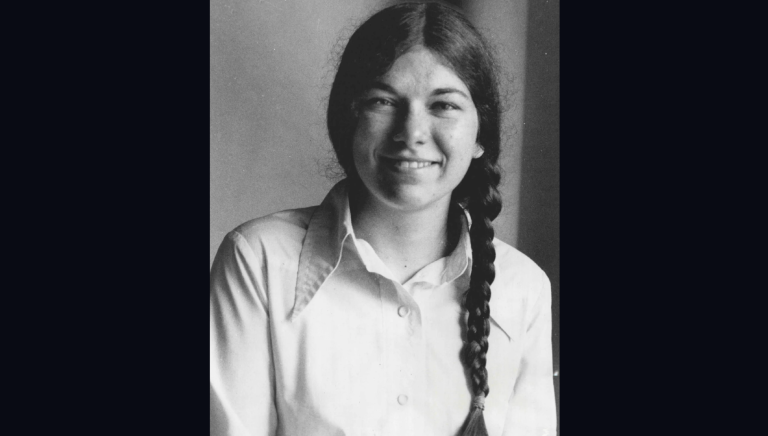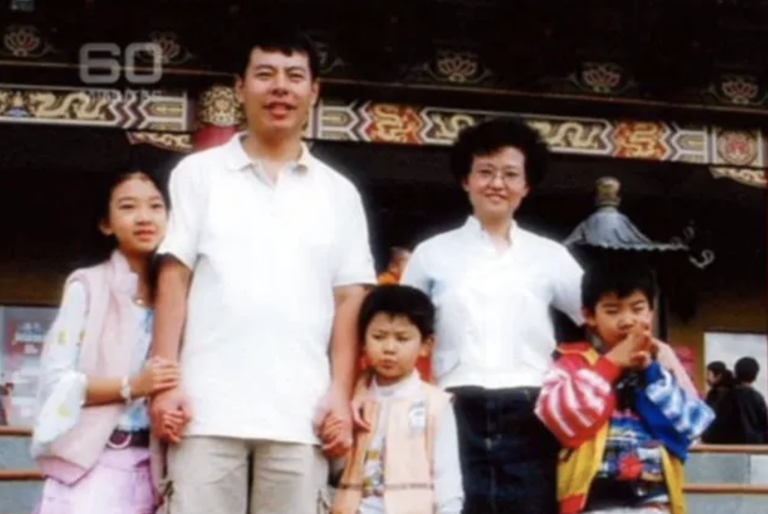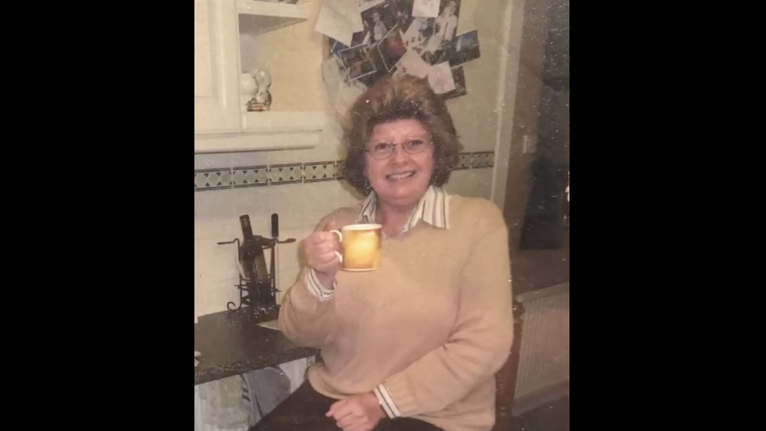
For years, Cary Stayner was drawn to Yosemite, returning again and again to the wilderness he had loved since childhood. He even claimed to have encountered Bigfoot there and spent years searching the forests for another glimpse.
By the late 1990s, Cary had made Yosemite his home. But behind the quiet handyman known to those around him was a side of Cary that few had ever seen.
Soon, Yosemite would become known for a monster of a very different kind.
⚠️ Content warning: This article contains descriptions of violent or distressing events. Reader discretion is advised.
The Beginning
Cary Stayner was born on 12th August 1961 in Merced, California, a small rural community about sixty miles west of Yosemite National Park. The eldest of five siblings, Cary had a younger brother, Steven, and three sisters, Cindy, Jody, and Cory. His mother, Kay, worked in daycare, while his father, Delbert, was a cannery mechanic.
The family often visited Yosemite National Park, where they spent time camping and fishing together. Cary developed a particular love of the outdoors and the quiet of nature, and as he grew older, he would frequently return to the park for its solitude.
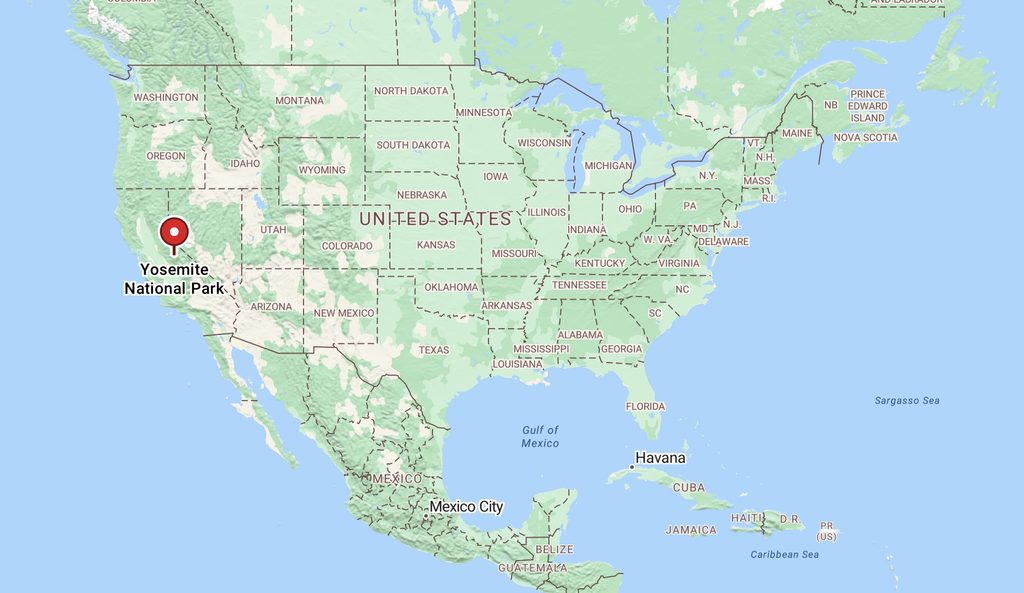
However, Cary’s childhood was profoundly disrupted when his younger brother Steven was kidnapped at the age of 7 by Kenneth Parnell, a convicted child sex offender. (Read about Steven’s case here.) Cary was 11 when Steven disappeared, and alongside dealing with the loss of his brother, he watched the effect it had on the rest of his family. He later remembered it as the first time he had ever seen his father cry.
Much of his parents’ attention was consumed by the search for Steven, and Cary later described feeling neglected during the years his brother was missing. Delbert would eventually testify that the other children had been overlooked during this period, while his relationship with Cary became increasingly difficult, and he frequently yelled at him.
Kay, meanwhile, struggled to show affection towards her children. She had spent part of her own childhood at a Catholic boarding school, where she experienced physical and emotional abuse, and members of the family later believed those experiences had affected her ability to express affection. One of Cary’s sisters would testify that the children learned to keep quiet and avoid upsetting their parents.
Despite the upheaval within the family, Cary continued to hope that Steven would come home. Years later, he told Mike Echols, author of I Know My First Name Is Steven, that every night throughout the seven years his brother was missing, he wished on a star for his return.
As Cary grew older, he also showed considerable artistic ability. In seventh grade, he was placed in the Gifted and Talented Education (GATE) programme, and he later drew cartoons for his high school newspaper, The Statesman. By the time he graduated at 18, his classmates had voted him the most creative student in his year.
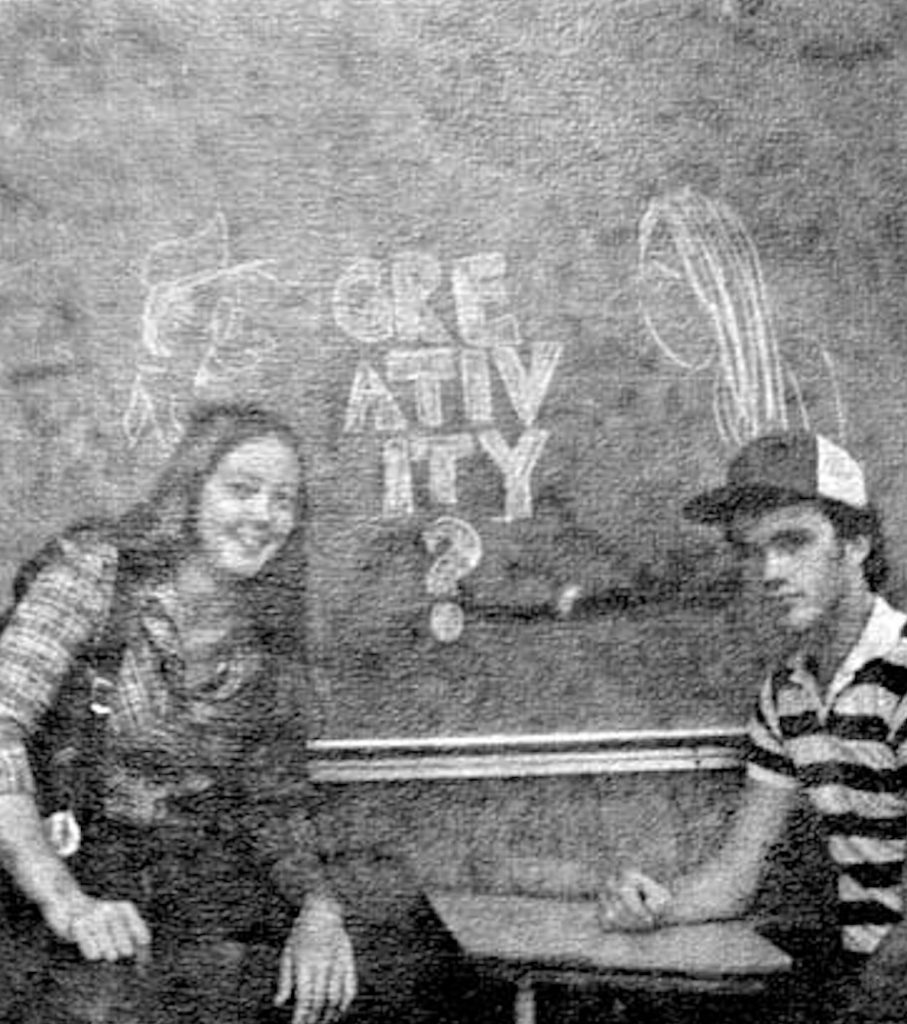
Although many expected Cary to pursue a career in art, his working life ultimately took a different direction. He held a succession of jobs, including positions with a furniture removal company and an aluminium firm, before spending much of his adult life working as a glass installer, repairing and fitting windows for various companies.
Away from work, Cary struggled to form relationships. He had been regarded as a quiet loner at high school, and none of his former classmates recalled him dating. However, accounts of his childhood and adolescence also describe troubling sexual thoughts and behaviour that had begun years earlier.
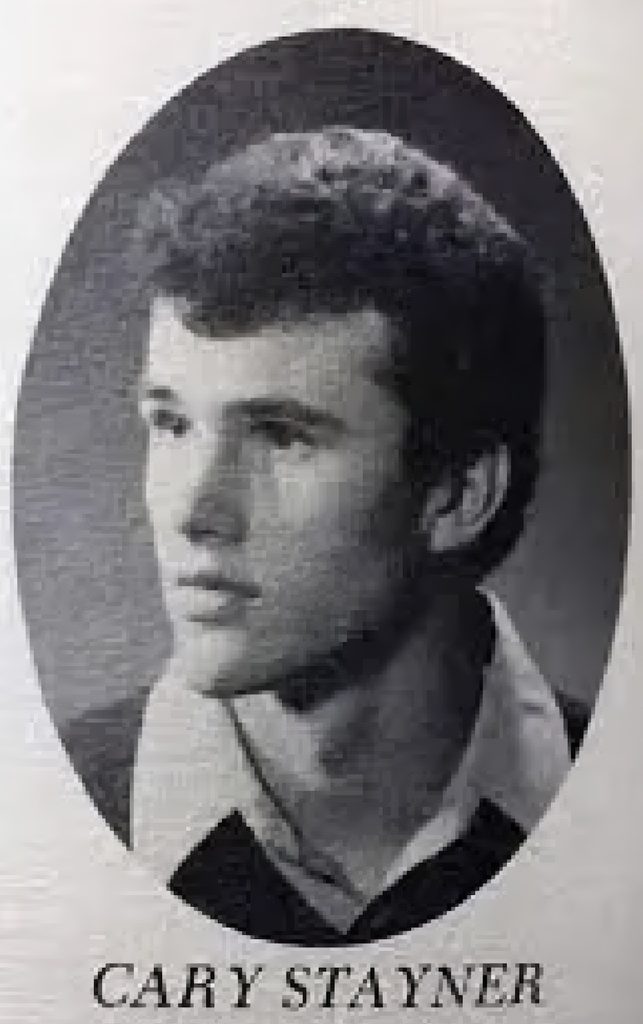
Cary later claimed that his first violent fantasies began when he was around 7. He described looking through the window of a grocery store and imagining catching and killing the female cashiers. By adolescence, according to his later accounts, his fantasies had become increasingly violent and sexual, including imagining naked women being subjected to sexual violence.
Some of Cary’s behaviour towards girls around him also caused concern. When he was about 12, he and a group of neighbourhood boys stripped naked and repeatedly ran past two girls who were sitting on the back of a flatbed truck near the Stayner home. His cousin later recalled that Cary would also pretend to hypnotise her and his sisters before attempting to persuade the girls to undress.
At 16, another incident occurred when Cary’s sister hosted a sleepover attended by their 14-year-old neighbour, Flores Tatum. During the night, Cary crawled beneath the cot where Flores was sleeping and touched her breast. When she told him to leave, he did so, but later returned and stood naked in the doorway, exposing himself to her.
Similar allegations would emerge from within the family years later. When Cary needed somewhere to stay as an adult, he moved in with his younger sister, Cory. According to their cousin, Cory subsequently discovered a video camera that Cary had hidden in the bathroom to record her while she showered.
Cary would later disclose another experience from his own childhood. In a confession to the FBI, he said that at the age of 11, the same year Steven disappeared, he had been sexually abused by a paternal uncle. Most accounts identify the uncle as Jesse “Jerry” Stayner, although there is some uncertainty over whether Cary was referring to a different uncle. Cary said the man showed him child sexual abuse material and that he became fixated on some of the images he saw.
This disclosure became part of a much more complicated picture of Cary’s developing sexuality. As an adult, he also experienced persistent problems with impotence, while the violent and sexual fantasies he described from childhood continued.
In 1980, after seven years away, Steven finally returned home. His return attracted intense media attention, with reporters descending on the Stayner household as the family reunion became national news. Cary was now 18, and although he had spent years hoping his brother would come home, he later acknowledged feeling jealous of the attention Steven received.
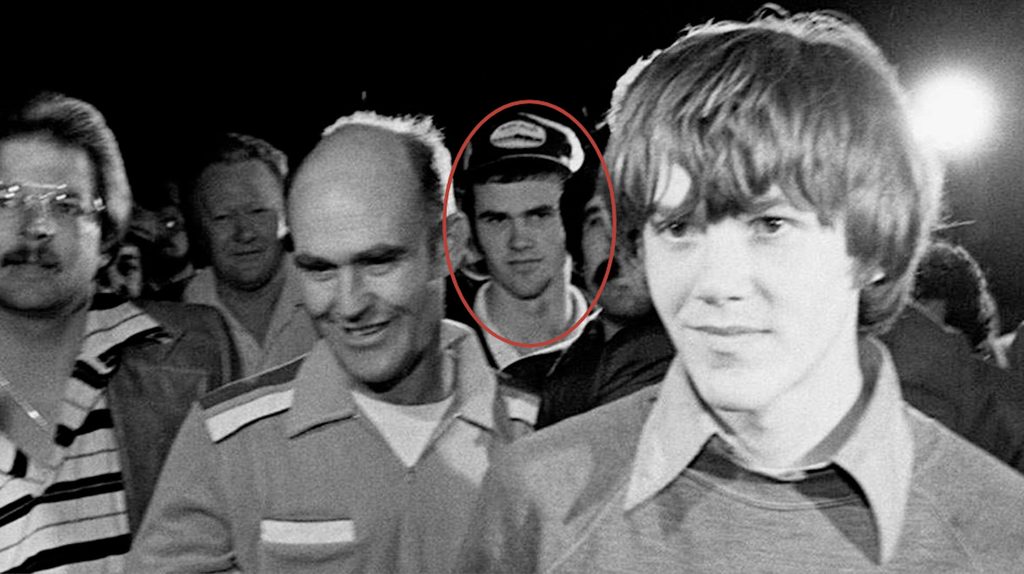
Steven, meanwhile, faced the difficult process of adjusting to life with his family again. He was no longer the 7-year-old they had last seen, but a teenager who had spent seven years living with the man who abducted and abused him. His family consequently gave him considerable attention and made allowances for some of his behaviour, something Cary later said he resented.
During this period, Cary increasingly returned to Yosemite, where he sought the solitude he had enjoyed since childhood. He would spend time in the park smoking marijuana and sunbathing naked, continuing a connection with the area that would eventually lead him to settle nearby.
Then, on 16th September 1989, the Stayner family experienced a devastating loss when Steven was killed in a motorcycle accident at the age of 24.
Just over a year later, another member of the family was killed. In December 1990, Jesse Stayner returned from work to his home at 1321 Brantley Street in Merced and encountered an intruder inside. During the confrontation, the man shot Jesse with Jesse’s own gun before fleeing with the weapon and his truck. A passing neighbour noticed that the front door was open and went inside, where Jesse was found dead on the floor.
At the time of the murder, Cary had been living with his uncle but said he was at work when the shooting occurred. He told police that he had previously noticed a drifter loitering near the house, although the man was never located. Cary was not initially considered a suspect, and Jesse’s murder remains unsolved.
In 1991, following the deaths of both his brother and uncle, the now 30-year-old Cary attempted suicide by carbon monoxide poisoning.
Cary had experienced mental health and behavioural difficulties from an early age. At the age of 3, he was diagnosed with trichotillomania, a compulsive hair-pulling disorder that led to relentless bullying at school. He often wore hats to hide the bald patches on his scalp.
By 1995, Cary was working at Merced Glass and Mirror when his friend Michael Marchese found him outside the workplace, shaking, speaking incoherently, and repeatedly striking a sheet of plywood with his fist. Cary told Michael that he wanted to drive his truck into the office, kill his boss and the other people inside, and then set the building on fire.
Concerned that Cary was in the midst of a mental breakdown, Marchese alerted their boss, who drove Cary to a psychiatric centre in Merced. Cary received treatment there but declined to participate in group counselling and soon discharged himself. He returned to the glass company only to collect his final paycheque, telling colleagues that he planned to move to Santa Cruz to study cartooning.
But that was a lie.
Instead, Cary travelled to El Portal in Mariposa County, where he found work and settled close to Yosemite National Park. The place that had offered him solitude since childhood was now about to become the setting for a very different period of his life.
Yosemite
In the summer of 1997, Cary was hired as a handyman at the Cedar Lodge Motel in El Portal, Mariposa County, just eight miles from Yosemite National Park. Although the work was seasonal, he was allowed to keep his accommodation above the motel restaurant even during periods when he was not working.
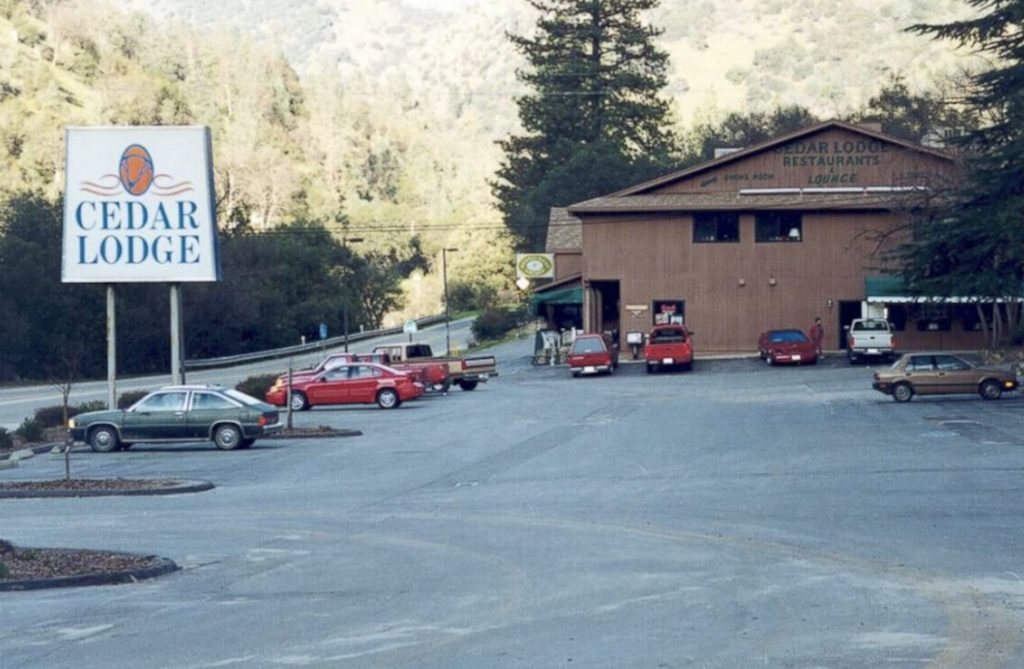
The location suited Cary. On his days off, he would drive to a secluded spot beside the Merced River before making his way down a steep bank to a small beach of boulders and sand, where he would take off his clothes, smoke marijuana, and spend time alone.
Yosemite already held fond memories from Cary’s childhood, but something else had long drawn him to the area. He was adamant that he had seen Bigfoot there as a boy and would readily tell people about the encounter. For years afterwards, he searched the park, hoping to catch another glimpse of the creature he believed was hidden somewhere in its wilderness.
At the Cedar Lodge, Cary generally presented himself as a friendly and reliable employee who was always willing to help. However, away from work, some of his behaviour towards younger girls was becoming increasingly concerning. He attempted to pick up teenage girls around the lodge and would take girls who worked at Mountain Pizza to a nearby gazebo at night, where they would smoke marijuana together.
Among those Cary befriended was 17-year-old Jen Yates, whose family ran the bar and restaurant at the lodge. The pair would take long walks through the woods or spend time sitting beside the river, and Jen initially saw nothing troubling in their friendship.
Her mother, Trisha, was less comfortable. She was concerned by a man in his thirties flirting with teenage girls and found Cary’s interest in them inappropriate. Jen initially thought her mother was overreacting, but that changed one night during the summer of 1997, when Cary invited her to his room.
Jen returned to the bar only minutes later, visibly shaken. She told her mother that Cary had been pulling out his hair and ranting about his “bitchy sisters”. After hearing what had happened, Trisha told Cary to stay away from her daughter.
By the summer of 1998, Cary’s behaviour had escalated further. Two preteen girls from Finland were staying at the lodge, and Cary began watching and following them. One night, he took the motel’s master key and attempted to enter their room while they slept, carrying a metal pipe and duct tape.
The key did not open the door. However, the girls’ guardian heard Cary attempting to manipulate the lock and called out from inside the room, causing him to leave. What might otherwise have developed from the encounter was prevented before he could enter.
Around this period, Cary began a relationship with a waitress at the lodge whose daughter, Lenna, was just 10 years old when he entered the family’s lives. Lenna’s memories of him from the time were initially positive. Cary brought her and her sister new Beanie Babies when he visited, gave them drawings he had made, and taught the girls how to dive.
Only years later did Lenna learn that Cary’s intentions towards the family had been very different from anything she had understood as a child. According to information later given to her by investigators, Cary had planned to sexually assault her and her sister and had made three separate attempts to kill the girls and their mother.
On the first occasion, Cary was supposed to visit their home to repair an electrical problem. He later said that he intended to sexually assault the girls, kill the family, and set fire to the house, but he was unable to find the property.
Afterwards, Cary concluded that he had been inadequately prepared because he had not taken a weapon with him. He subsequently assembled a kit containing items he intended to use during an attack and began carrying it with him.
On 15th February 1999, Cary made another attempt. He drove to the family’s property under the pretext of carrying out repairs, this time bringing the equipment he had prepared. However, when he discovered that a man was on the property, he abandoned his plan and returned to the Cedar Lodge.
Back at the motel, Cary decided to use the swimming pool but found that it needed cleaning. He obtained the master key from the main office so that he could access the necessary equipment and, once he had finished, returned to the office. Rather than placing the key back in its drawer, however, he only pretended to do so and kept it with him as he walked around the motel grounds.
As he passed one of the rooms, Cary noticed four young girls who were staying there. He had seen them with a man the previous day and could not establish whether they were now alone, so he continued on.
By this point, Cary had attempted to enter the room of two sleeping girls, had made plans to attack another family, and was carrying equipment he had specifically prepared for that purpose. Again and again, circumstances had interrupted him.
That night, Lenna, her family, and the four girls had a lucky escape. But three other women who had arrived at the lodge the previous day would not be so fortunate.
When Cary passed the window of 42-year-old Carol Sund, her 15-year-old daughter, Juli, and Juli’s 16-year-old friend, Silvina Pelosso, the frustration that had been building throughout the day had reached a dangerous point.
This time, nothing would interrupt him.
The Yosemite Monster
Carole and Jens Sund lived in Eureka, California, with their four children. They were high school sweethearts, and had been married for twenty-one years. Their daughter, Juliana, known as Juli, was born in 1983. Shortly after her birth, the couple adopted a son, Jonah. When Jonah’s birth mother had another child a year later, Carole and Jens adopted his sister, Gina, before later adopting their youngest son, Jimmy.
Carole came from the wealthy Carrington family, which had made millions through real estate in Northern California. She and Jens were also successful realtors and owned several malls across the country. Carole used both her time and resources to help others, volunteering to support couples hoping to foster or adopt children and joining the board of Court-Appointed Special Advocates, where she helped oversee the treatment of abused and neglected children within the legal system.
She was also an advocate for “Tony V”, a child who had been confined in a cage by his family in Eureka in a case that attracted national attention. Alongside her mother, Carole founded Butler Valley Inc., a non-profit organisation that operated two homes for people with developmental disabilities. Carole’s older sister lived in one of them.
Juli shared her mother’s interest in helping others. After two cheerleaders from her high school were raped at knifepoint by a 21-year-old man, she became involved in an anti-rape campaign aimed at raising awareness of sexual violence.
Her friends remembered her as happy and full of energy. Juli had taken up cheerleading, not because she considered herself a particularly girly girl, but because she enjoyed the competitive side of the sport. She dreamed of becoming an architect and also enjoyed writing, poetry, and playing the piano and violin.
In February 1999, Juli’s 16-year-old friend, Silvina Pelosso, an exchange student from Argentina, came to stay with the Sund family. The visit continued a friendship that had begun with their mothers more than twenty years earlier. Silvina’s mother, Raquel, and Carole had met when they were high school exchange students themselves, with Carole spending six months on Raquel’s family’s cattle ranch in Argentina. The two became close, exchanged friendship rings, and remained in contact over the years. Now their daughters were following in their footsteps.
During Silvina’s stay, the Sunds took her to see several well-known places, including the Bay Area and Disneyland. Their next trip would take them to Yosemite.
On 12th February 1999, Carole, Juli, and Silvina left the family home and headed towards Yosemite National Park. The park held special meaning for Carole and Jens because they had spent their honeymoon there, although Jens would not be joining them on this occasion. Instead, he planned to meet them later at San Francisco airport. Carole and Juli would then return home to Eureka, while Jens and Silvina would fly to Phoenix, Arizona, to meet the other three Sund children, who were staying with relatives. From there, the family planned to visit the Grand Canyon.
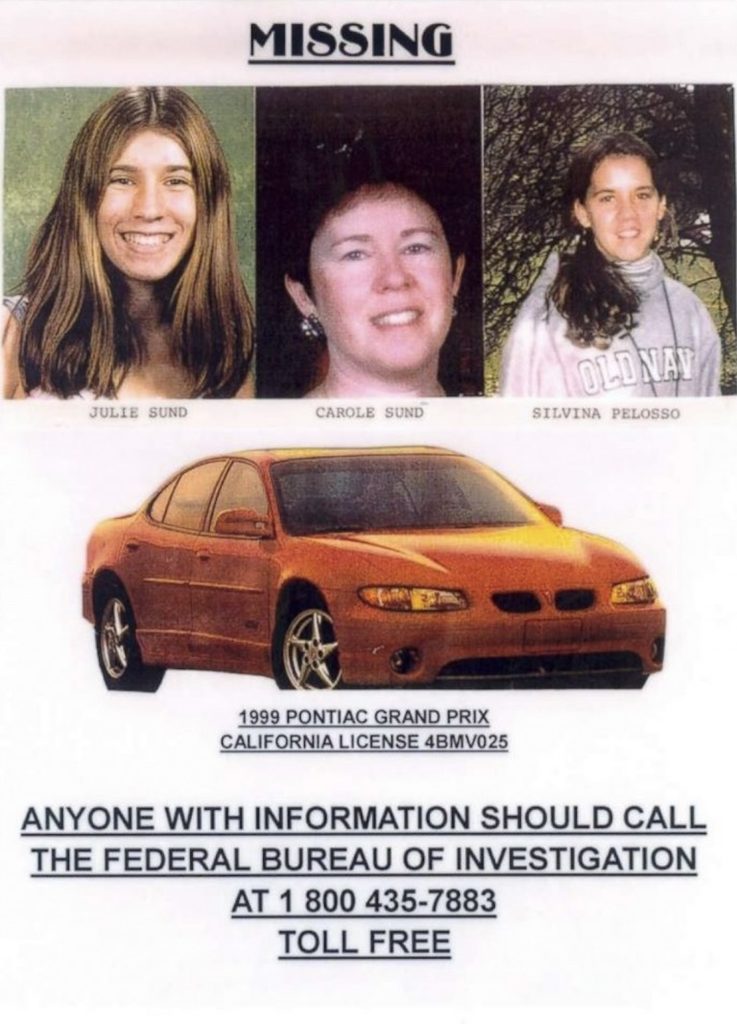
The journey began with a flight to San Francisco, where Carole rented a red 1999 Pontiac Grand Prix. They stopped in Stockton so Juli could compete in a cheerleading contest at the University of the Pacific. Carole and Juli were impressed by the campus and arranged to meet another mother for a tour a few days later, when they would be passing through Stockton again on their way to the airport.
On 14th February, they reached Yosemite’s western slope and checked into the Cedar Lodge Motel. It was Valentine’s Day and Presidents’ Day weekend, and the motel was fully booked. Carole and the girls were assigned room 509, situated so far from the main office that guests sometimes needed to drive to the lodge’s amenities during poor weather.
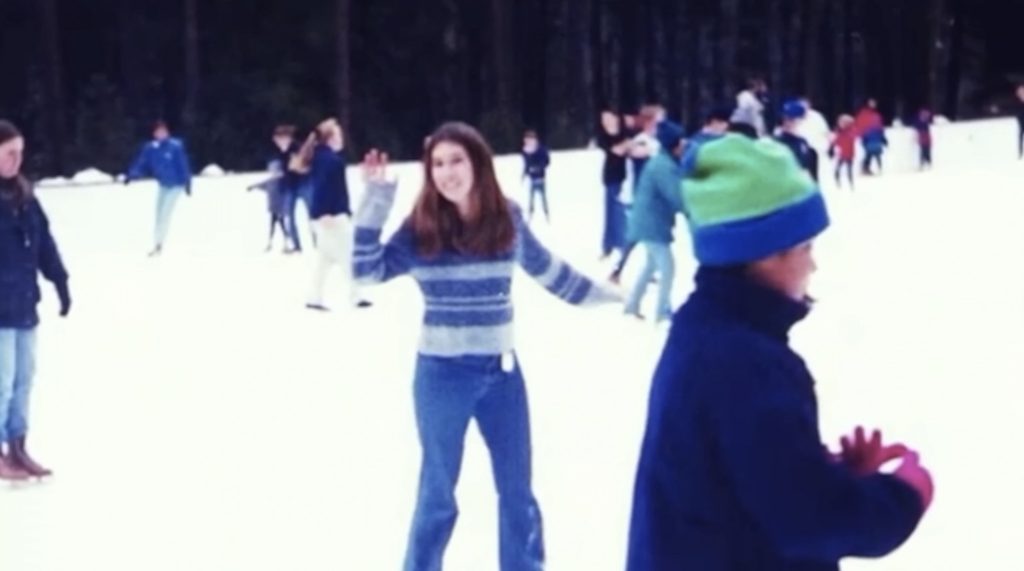
The following day was spent exploring Yosemite. Carole, Juli, and Silvina went ice skating and hiking, visited Yosemite Falls, and saw the towering sequoias in Tuolumne Grove. At around 6:30 pm, they returned to the Cedar Lodge for dinner. About an hour later, they stopped at the service desk and rented two films to watch in their room.
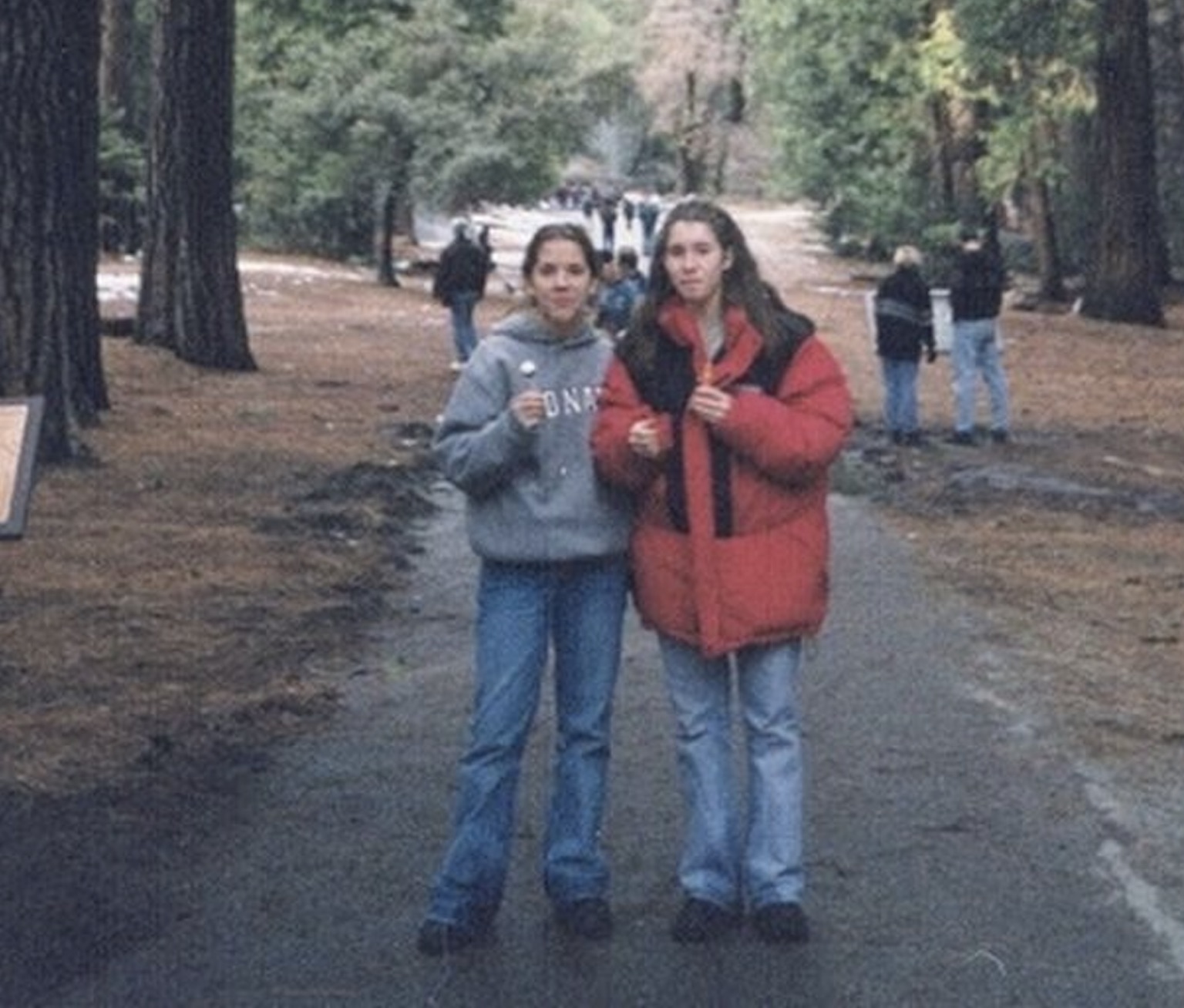
By then, many of the guests who had stayed at the lodge over the holiday weekend had checked out. Room 509 was now the only occupied room in its building, leaving Carole and the girls some distance from the other guests.
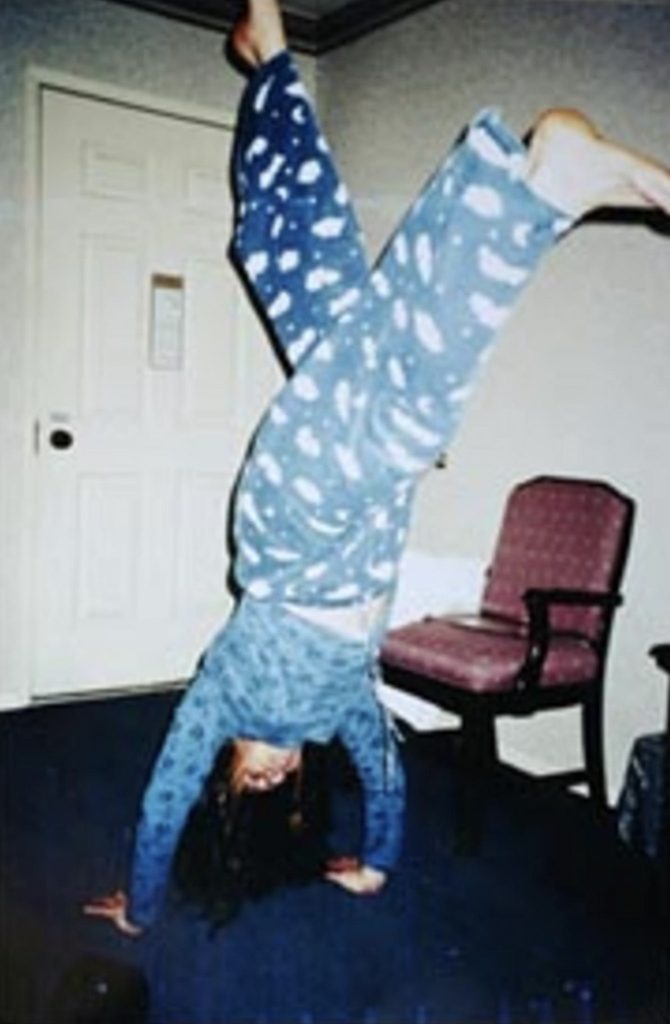
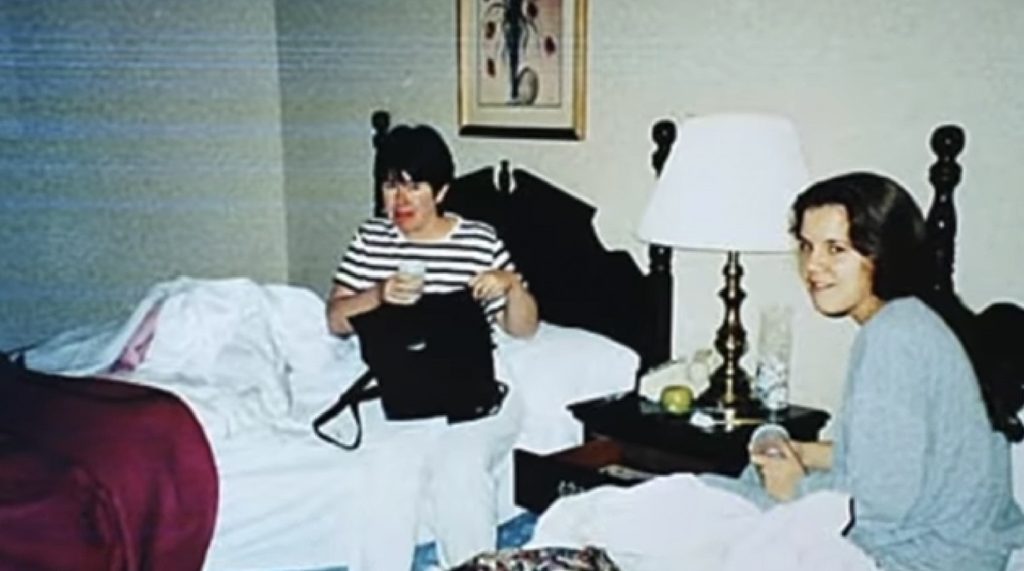
At around 11 pm, they began settling down for the night. They had taken some final photographs of one another, laughing and messing around in the room. Carole settled down with a book, while Juli and Silvina watched Jerry Maguire, one of the films they had rented.
Then came a knock at the door.
Carole hesitated. It was late, and she couldn’t imagine why anyone would be calling at this hour.
Outside was the motel’s handyman, Cary Stayner. He had noticed the red Pontiac standing alone in the car park and looked through the window of room 509 to see who was inside. After seeing Carole and the two girls and establishing that there was no man with them, he decided to approach the room.
Rather than opening the door, Carole initially spoke to Cary through the window. Cary told her that he had a work order concerning a leak in the pipes above the room and needed to check for water damage. When Carole remained cautious, he insisted that the problem was an emergency and pressed her to allow him inside.
Cary had access to a master key capable of opening the rooms at the lodge, but he deliberately chose not to use it. He later explained that he did not want investigators to be able to narrow their suspect list to employees with access to the key. Instead, he attempted to make his story appear convincing by knocking loudly on the doors of nearby vacant rooms and briefly entering them as though he were checking each one for signs of a leak.
When Cary returned to room 509, Carole was still reluctant to admit him. He offered to call the manager, and eventually she opened the door.
Cary entered carrying his tools and a backpack. Inside the backpack were a gun, rope, a large kitchen knife, and duct tape. He went into the bathroom and maintained the pretence that he was looking for a leak, climbing onto the toilet and removing the ventilation fan as part of his supposed inspection.
After several minutes, Cary replaced the fan and returned to the bedroom. This time, he was holding a .22-calibre pistol.
He told Carole, Juli, and Silvina that he desperately needed money and that, if they cooperated, he would leave without hurting them. Believing that robbery was his intention, they complied as Cary restrained them. He ordered the three to lie face down on the beds, bound their arms behind their backs, gagged them, and placed duct tape over their mouths.
Cary then took Juli and Silvina into the bathroom and closed the door behind them.
Cary was now alone with Carole in the bedroom. He tied her hands to her feet with rope before kneeling on her back and strangling her. The process took approximately five minutes. Cary later told the FBI that he had not realised how difficult it would be to strangle someone and described feeling very little emotion as he killed her, regarding it largely as a task he needed to complete.
Once Carole was dead, Cary carried her body outside and placed it in the trunk of her rental car.
He then returned to the bathroom and brought Juli and Silvina back into the bedroom, telling them that Carole was in another room. Neither girl knew that she had already been killed. Cary cut off their clothes with a knife and, while threatening them with the gun, forced them to perform sexual acts on one another.
When Cary realised that Silvina was menstruating, he later said that he was repulsed. Silvina was also crying uncontrollably, and Cary took her into the bathroom, placed her in the bath, and strangled her with the rope. When he realised that she was still alive, he covered her mouth and nose with duct tape until she died.
Cary then returned to Juli and sexually assaulted her repeatedly. He forced her to perform oral sex while continuing to experience the impotence that had troubled him throughout his adult life. At one point, Juli asked to use the bathroom. Cary did not want her to discover Silvina’s body, so he took her to an empty motel room instead. There, he made her shave her pubic hair before sexually assaulting her again.
Cary left Juli restrained while he returned to room 509, removed Silvina’s body from the bathroom, and placed her in the trunk of the rental car alongside Carole.
He then began trying to conceal what had happened. Cary left damp towels on the floor to make it appear that the women had departed in a hurry, loaded their belongings into the back seat of the car, and left their room keys and the video they had been watching on the dresser. Concerned that investigators might recover his hair from the bedding, he also shaved his body hair in an attempt to prevent it from being identified as forensic evidence.
At around 5 am on 16th February, Cary returned to Juli. He wrapped her naked body in a pink motel blanket, secured her in the front passenger seat of Carole’s rental car, and drove away from the Cedar Lodge. Juli still had no idea that her mother and Silvina were dead in the trunk.
Cary later said that he had no particular destination in mind and simply continued driving, putting distance between himself and the motel. During the journey, he questioned Juli, who remained composed enough to give him false information about herself. Among the details she concealed was her name, telling Cary instead that she was called Sarah.
More than sixty miles from the motel, Cary turned off near Lake Don Pedro. Dawn was beginning to break when he carried Juli along a dirt path to a secluded clearing overlooking the water, an act he would later compare to carrying a bride over the threshold.
Cary told Juli that he wished he could keep her before sexually assaulting her again. Then, in a cruel twist, he also told her that the gun he had used at the motel had not been loaded and claimed that the women could have escaped when he first entered their room.
Afterwards, Cary fanned out Juli’s hair and told her that he loved her before cutting her throat with such force that the wound nearly decapitated her. As she was dying, Juli made a movement with her hand that Cary interpreted as asking him to end her suffering quickly. He said that instead, he turned away.
Cary then positioned Juli’s body with her legs apart and her arms crossed over her chest before partially concealing her with branches and vegetation. He threw the knife down the hillside and remained at the clearing for a time, watching the sun rise over the lake.
Returning to the rental car, Cary opened the trunk and removed Carole’s clothing, along with duct tape from Carole and Silvina that he feared might contain his fingerprints. He then drove north towards New Melones Lake, a reservoir on the Stanislaus River, intending to dispose of the car in the water. However, the presence of fishermen prevented him from doing so.
Cary instead discarded several items, including clothing, sheets, and duct tape, in a dumpster and continued driving in search of somewhere more isolated to leave the car and the two bodies inside it.
Eventually, he reached a remote logging road in the Stanislaus National Forest off Highway 108. Cary drove as far along the road as he could, wiped down the car, and scattered some of the women’s belongings around it. Using a pocketknife, he then scratched the words “We have Sarah” into the bonnet, attempting to create the impression that Juli was still alive and had been abducted.
Cary walked to Sierra Village intending to catch a bus, but then realised that he had forgotten to wipe down the trunk of the rental car. He returned to the logging road to clean it, causing him to miss the bus. Afterwards, he took $200 from Carole’s wallet and hailed a taxi, paying the $125 fare with the stolen money.
Rather than asking to be taken directly back to the Cedar Lodge, Cary told the driver, Jenny Paul, to take him to Yosemite Lodge — the same hotel where Kenneth Parnell had worked when Cary’s brother Steven was abducted. Paul later recalled that Cary appeared exhausted. During the journey, he also pointed out a barn in Foresta where he claimed to have seen Bigfoot in 1982.
From Yosemite Lodge, Cary caught a bus back to the Cedar Lodge. He needed to be there by 5 pm for his night shift.
Two days later, Cary returned to the abandoned rental car carrying a can of petrol. He retrieved the credit card insert from Carole’s wallet before setting the vehicle on fire. Continuing his efforts to suggest that robbery had been the motive, he then drove approximately two hours west to Modesto and threw the wallet insert from his vehicle at an intersection.
Meanwhile, Carole, Juli, and Silvina had failed to arrive for the campus tour they had arranged at the University of the Pacific. They also did not appear at San Francisco airport, where they were supposed to meet Jens.
Jens’ own flight into San Francisco had been delayed by bad weather, and he arrived approximately five hours late. When Carole and the girls were not waiting for him, he initially assumed that they had gone ahead without him and continued with his journey.
It was only after Jens arrived in Arizona and discovered that Silvina was not there that their absence became more concerning. He called home to see whether Carole and Juli had returned safely, but received no answer. Even then, Jens tried to reassure himself and those around him that Carole was capable and resourceful and that there was likely to be a reasonable explanation. Still believing that to be the case, he played a round of golf in Phoenix the following day.
As more time passed without any contact from Carole, however, Jens began to fear that the three might have been involved in an accident. He contacted the highway patrol, but there were no reports matching their journey. He also learned that Carole had neither returned the rental car nor contacted the company to extend the rental period.
Jens next called the Cedar Lodge. Staff told him that Carole and the girls had checked out the previous day, and when room 509 was inspected, there was initially little to suggest otherwise. Their checkout had been arranged in advance, the room keys had been left behind as required, and the videos they had rented were still there. Their luggage was gone, although several souvenirs remained, and staff assumed that the women had simply decided to leave earlier than planned.
But they had now missed the campus tour, failed to arrive at the airport, made no contact with their family, and disappeared along with their rental car.
Jens contacted the Sheriff’s Department and reported Carole, Juli, and Silvina missing.
Sund-Pelosso Investigation
The search for Carole and the girls began on Wednesday, 17th February. Local law enforcement, Yosemite Park rangers, family members, and volunteers combed the rugged terrain of the Sierra Nevada Mountains in and around Yosemite National Park. Searches were conducted by helicopter, on foot, and on skis as teams looked for any sign of the three women or their red Pontiac Grand Prix.
Initially, investigators considered the possibility that they had been involved in an accident or had become lost after wandering from a hiking trail. That began to change on Friday, 19th February, when a student discovered the insert from Carole’s wallet on a street in Modesto.
The FBI quickly became involved. Sixty agents, led by James Maddock, joined an investigation now headquartered in Modesto. Jens flew there immediately and was soon joined by Carole’s parents, Francis and Carole Carrington. Silvina’s mother, Raquel Pelosso, travelled from Argentina, with Silvina’s father, Jose, joining her later.
That same day, Wells Fargo Bank received a telephone call from a woman claiming to be Carole Sund. She requested a replacement ATM card but was unable to provide sufficient proof of her identity. Two days later, the same caller contacted the bank again and asked for Carole’s account balance. This time, she provided Carole’s Social Security number and was given the information.
The calls strengthened suspicions that there might be a financial motive behind the disappearance. Investigators began considering whether Carole, Juli, and Silvina had been kidnapped or become victims of a carjacking. However, if Carole’s wealth had made her a target, no ransom demand followed.
On 22nd February, the Carrington family held a press conference and offered a $250,000 reward for information leading to the safe return of Carole and the girls. Several weeks later, another $50,000 was offered specifically for information leading to the location of the rental car. By then, the possibility of a simple accident had receded, and the disappearance was being treated as a criminal investigation.
Desperate for answers, the family spent the following weeks keeping the case in the public eye and appealing for information. Jens appeared on television programmes including Hard Copy, Inside Edition, and America’s Most Wanted, while Carole’s parents were interviewed on Good Morning America.
The family also hired a private investigator to monitor Carole’s bank and credit card accounts, but there had been no activity since she withdrew cash from an ATM several days before disappearing.
Meanwhile, investigators questioned those closest to the missing women. Carole’s father, Francis Carrington, cooperated fully and was actively involved in efforts to find his daughter and granddaughter. Jens was also questioned and explained that he had waited several days before contacting the authorities because he had been confident in Carole’s ability to look after herself and had not initially considered the possibility of foul play. He agreed to take a polygraph test and passed.
Employees at the Cedar Lodge were interviewed as well. Among them was a handyman who had changed the locks to room 509 on the day the women disappeared. He also passed a polygraph and was quickly eliminated as a suspect.
Cary Stayner was questioned too. Investigators were surprised to discover that he was the older brother of Steven Stayner, whose childhood abduction had become nationally known. Given everything the Stayner family had already endured, Cary attracted little suspicion. Although he had been arrested in 1997 for possession of marijuana and methamphetamine, no charges had been filed, and authorities believed he had since moved away from drug use.
On 14th March, a Vigil of Hope was held outside the FBI headquarters in Modesto, drawing more than a thousand people in support of the missing women. Carole’s daughter, Gina, read a poem she had written for her mother:
At a time when I need my mother’s touch most,
all I see of her are pictures nailed to a post.
When it is time for bed, I rock myself to sleep.
I try to stay strong because I know that’s what you’d want your baby to be,
but, Mommy, I don’t want you to leave me.
Just four days later, on 18th March, the investigation changed dramatically. A local man named Jim Powers stopped along a remote logging road in a wooded area and discovered the burned-out remains of a car. Its licence plate confirmed that it was Carole’s rental Pontiac.
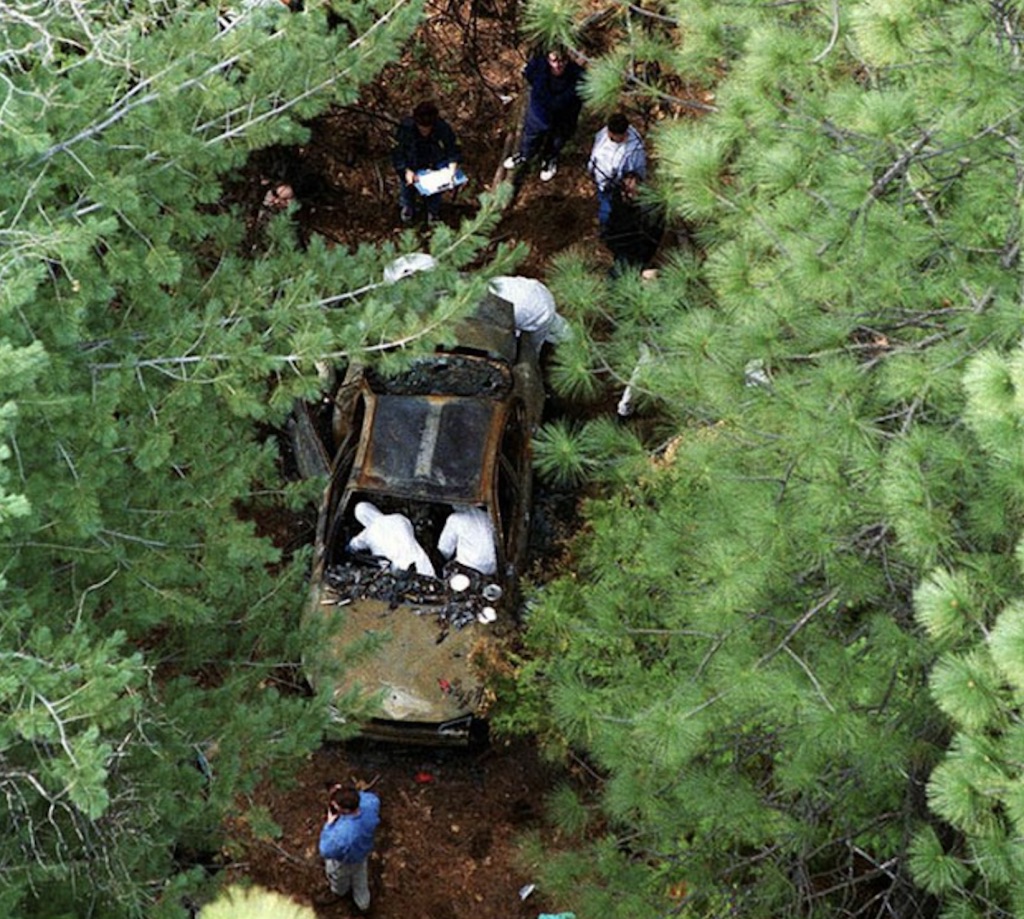
The FBI was immediately notified, and Powers would later receive the $50,000 reward offered for locating the vehicle. When agents opened the trunk, they discovered the burned remains of two people. Formal identification had yet to be made, but investigators believed they were likely to be two of the three missing women.
That left an urgent question over the whereabouts of the third. Investigators considered several possibilities: that she too had been killed, that she was being held somewhere against her will, or even that she might somehow have been involved in what had happened.
The car and its contents were transported to a crime laboratory for examination. Several personal belongings were scattered around the vehicle, including Carole’s bag, which still contained a credit card. Inside was a camera holding an undeveloped roll of film.
Once the photographs were processed, they provided a record of the women’s final hours at the Cedar Lodge. No photographs had been taken after the evening of 15th February, leading investigators to believe that whatever had happened to them began that night.
The autopsy findings provided further support for that timeline. Carole’s stomach contents included remnants of the vegetarian burrito she had eaten at the Cedar Lodge restaurant, suggesting that she had not eaten another meal afterwards.
On 21st March, the families held an informal memorial at the site where the remains had been discovered. Formal identification was still pending, but the following day, dental records confirmed that one of the victims was Carole Sund. A week later, DNA testing identified the second as Silvina Pelosso.
Juli, however, was still missing.
Then, on 25th March, investigators learned of a letter that had arrived at the Modesto Police Department the previous day. Postmarked 16th March, it had been delayed by a postal mix-up. The sender correctly identified the second victim found inside the car and included a hand-drawn map showing where Juli could be found.
At the top of the note were the words:
“We had fun with this one.”
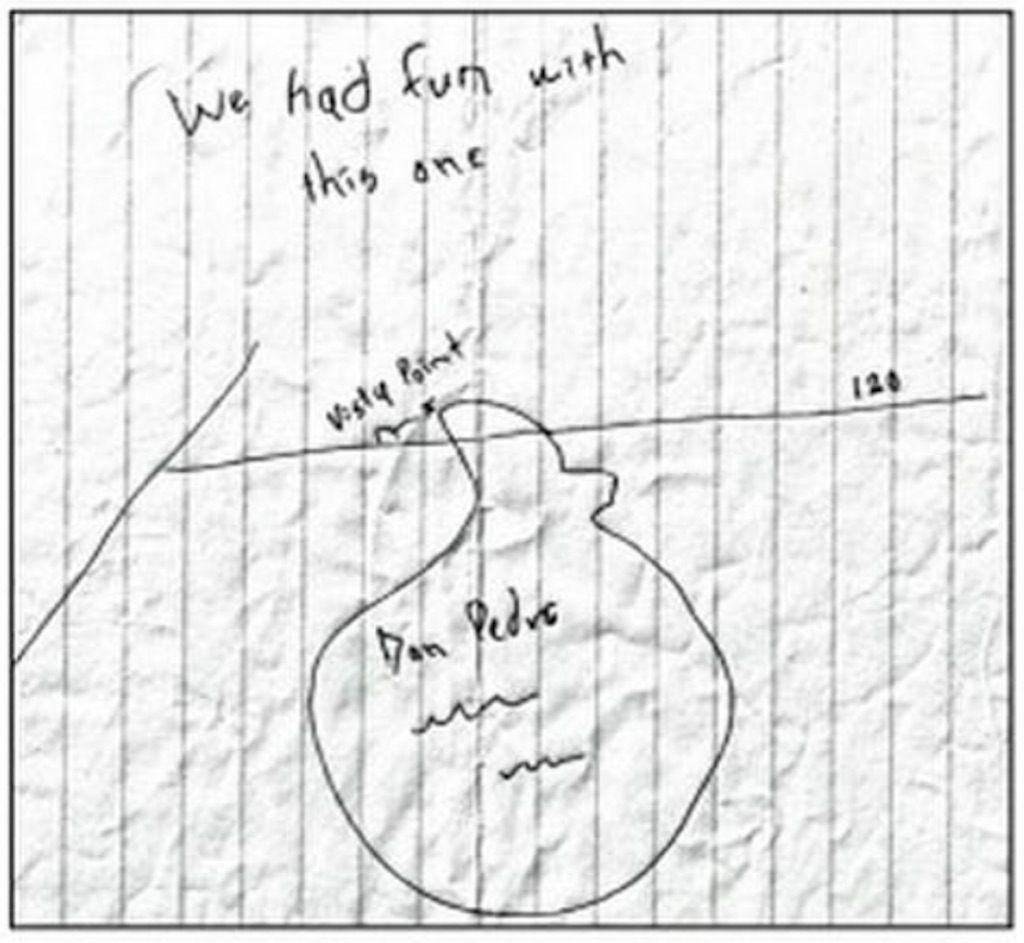
Following the map, investigators travelled more than thirty miles from where the burned car had been discovered to a clearing near Lake Don Pedro in Tuolumne County. More than a month after she disappeared, they found Juli’s decomposed body resting against a large tree. She was naked, her throat had been cut, her ankles were secured with duct tape, and her arms had been folded across her chest.
Investigators examined the letter and envelope, hoping that saliva used to seal it might provide DNA belonging to the killer. They had no way of knowing that the DNA they recovered belonged to someone entirely unconnected with the murders.
Cary had anticipated that possibility. He had paid a stranger $5 to spit into a cup, telling the man that he needed the sample for a paternity test because he did not want to be held responsible for a child. Cary then used the saliva when preparing the letter.
Meanwhile, back at the Cedar Lodge, Cary was actively assisting the FBI with its investigation. When pink fibres were recovered during the examination of Juli’s body, investigators suspected they might have come from a motel blanket. Cary was asked to unlock rooms around the lodge so agents could search for the source. He cooperated throughout, and investigators still had no reason to regard him as a suspect.
His colleagues saw little reason for concern either. Cary had not officially been working at the Cedar Lodge when Carole, Juli, and Silvina disappeared because his seasonal employment had ended in January. However, he had been allowed to continue living in employee accommodation and was rehired on 18th March.
After the murders, Cary made a deliberate decision to remain at the lodge rather than suddenly leave and risk attracting attention. At night, he sometimes sat with locals and other employees as they discussed the case, listening to their conversations and sharing their reactions to the killings. To those around him, he appeared to be another member of the community trying to make sense of what had happened.
By now, the FBI was developing two important theories about the case. The first arose from the isolated logging road where the rental car had been abandoned. Investigators believed the offender was likely to have local knowledge because residents frequently burned rubbish and discarded appliances in the area, meaning that smoke and the smell of burning would be less likely to attract attention.
The second question was whether one person could have controlled three victims. The wording of the letter — “We had fun with this one” — appeared to support the possibility of more than one offender, as did the number of crime scenes spread across several counties.
With those theories in mind, investigators increasingly concentrated on known offenders living within a 75-square-mile area between Modesto and Sonoma. Several were methamphetamine users with histories of serious violence.
One was 38-year-old Billy Joe Strange, a night-shift janitor at the Cedar Lodge restaurant who had been working on the evening Carole and the girls ate there. Strange had a violent history and attracted further scrutiny because the husband of a lodge employee with whom Strange had been having a relationship had previously been found stabbed with scissors and drowned in a creek. The death had been ruled a suicide, although investigators considered the circumstances unusual.
Strange was arrested in March for violating his parole and could provide no alibi for the night of the murders. A search of his home and van revealed stains initially thought to resemble blood, although laboratory testing established that they were rust. During a polygraph examination, Strange became aggressive and nearly attacked the examiner, while the test itself indicated deception.
Investigators also focused on 42-year-old Michael Larwick, whose criminal record included rape, kidnapping, and attempted manslaughter. In 1975, he had raped a relative while her children were nearby in a car.
Larwick came to the FBI’s attention the day after the vigil when an officer noticed him driving with expired registration near the location where Carole’s wallet insert had been found. Larwick fled, leading police on a pursuit that ended when he crashed at a convenience store. He then opened fire, injuring the officer, before a fourteen-hour standoff ended with his arrest on 16th March. Larwick denied involvement in the murders, and his polygraph results were inconclusive.
His half-brother, 32-year-old Eugene Dykes, also became a suspect. Dykes had convictions or charges involving rape, kidnapping, weapons, and drugs. He had initially been arrested on 5th March for a parole violation after resisting arrest and holding officers at gunpoint for approximately two hours before surrendering.
Dykes initially denied involvement in the murders but failed a polygraph examination. He later claimed that although he had not killed the women, he had helped dispose of their belongings. At another point, he signed a statement claiming that he had cut Carole’s throat and helped burn the bodies, although the condition of Carole’s remains prevented investigators from verifying part of his account.
His story changed repeatedly, and investigators struggled to corroborate what he was telling them. Acrylic fibres examined by the FBI laboratory in Washington were nevertheless believed at the time to provide a possible connection between Dykes and Larwick and the investigation. Dykes could, however, be excluded as the author of the letter because he was already in custody when it was mailed.
Several other people connected either to the Cedar Lodge or to the principal suspects also came under investigation. They included Strange’s 55-year-old roommate, Darrell Gray Stephens, who was jailed on 14th March for failing to register as a sex offender following a previous rape conviction; Larry Duane Utley, 41, an associate of Larwick and Dykes who was arrested in May on an unrelated charge and later released; and Kenneth Stewart, 24, a former cellmate of Dykes who was charged with attempted murder.
Investigators also questioned or examined connections involving Angelia Dale, a friend of both Dykes and Larwick; Maria Ledbetter, 24, a former girlfriend of Dykes who used methamphetamine; Jeffrey Wayne Keeney, 32, who had been arrested on an unrelated drug charge; and Teresa Kay Gray, 36, who was wanted after failing to appear in Stanislaus County Drug Court.
Another person to attract particular attention was 36-year-old Rachel Lou Campbell, who was found in possession of Carole Sund’s bank account and ATM information. In April, Campbell was charged in connection with the theft of cheques and credit cards that had been converted into approximately $365,000 in cash and merchandise.
By mid-April, several of those detained had been ordered to testify before a federal grand jury in Fresno. As suspects accused one another and investigators continued trying to untangle their conflicting accounts, James Maddock became increasingly confident that the people responsible for the Sund-Pelosso murders were already in custody.
By the end of June, he said publicly that the key players in the case had been arrested and were being held on unrelated charges.
The statement had consequences. With the FBI apparently confident that those responsible were already behind bars, members of the public had less reason to report encounters or behaviour that might otherwise have seemed significant.
Jenny Paul, the taxi driver who had driven Cary away from the area after Juli’s murder, had considered contacting investigators about her unusual passenger. After hearing Maddock’s statement, however, she decided there was no longer any need.
The FBI believed it was closing in on the people responsible.
Cary Stayner was still living at the Cedar Lodge.
Joie Ruth Armstrong
Joie Ruth Armstrong was a 26-year-old naturalist working at Yosemite National Park. Bubbly and enthusiastic, she was an educator with the Yosemite Institute, a non-profit organisation that partnered with the National Park Service to provide environmental education programmes. Joie was passionate about connecting children with nature and teaching them to understand, protect, and appreciate the natural world. She loved her work, and she was good at it.
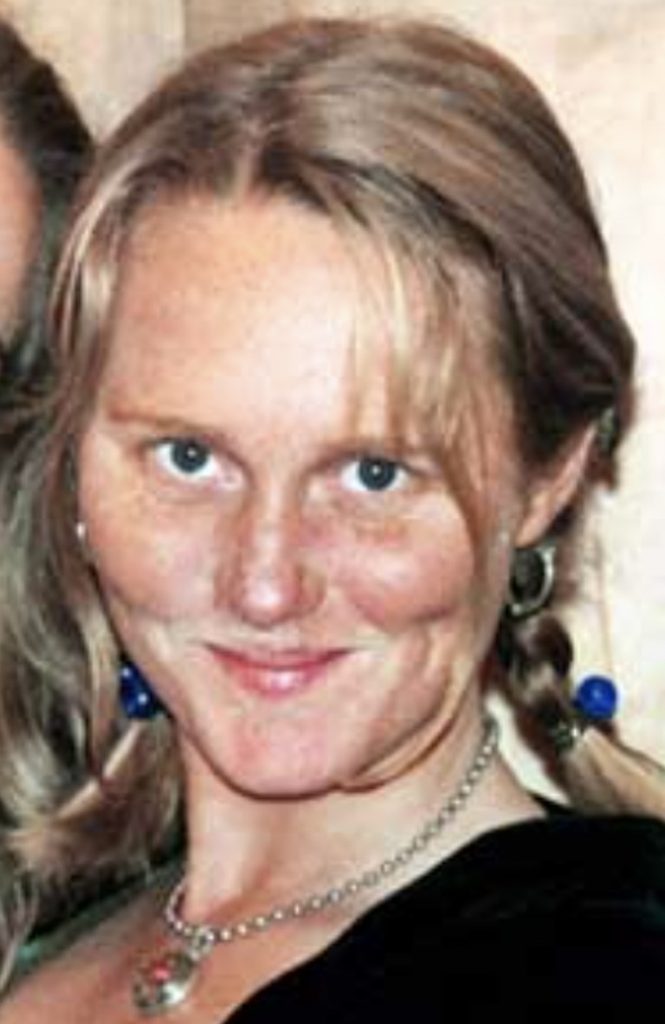
Joie rented a green, wood-framed cabin known as the Green House in the Meadow in Foresta, an enclave of around thirty cabins used by Yosemite Park staff. She lived there with her fiancé and another roommate.
Like most people in the area, Joie was aware of the murders of Carole, Juli, and Silvina. However, the FBI had publicly announced that it believed the key people responsible were already in custody, giving the local community reason to believe the immediate danger had passed.
Joie reflected that sense of relief in her diary.
“The monsters are gone.”
So, on 20th July 1999, when her fiancé and roommate were both away for the night, Joie had little reason to believe she was in any particular danger. Besides, she was planning to visit a friend in Sausalito the following day and would only be alone for one night.
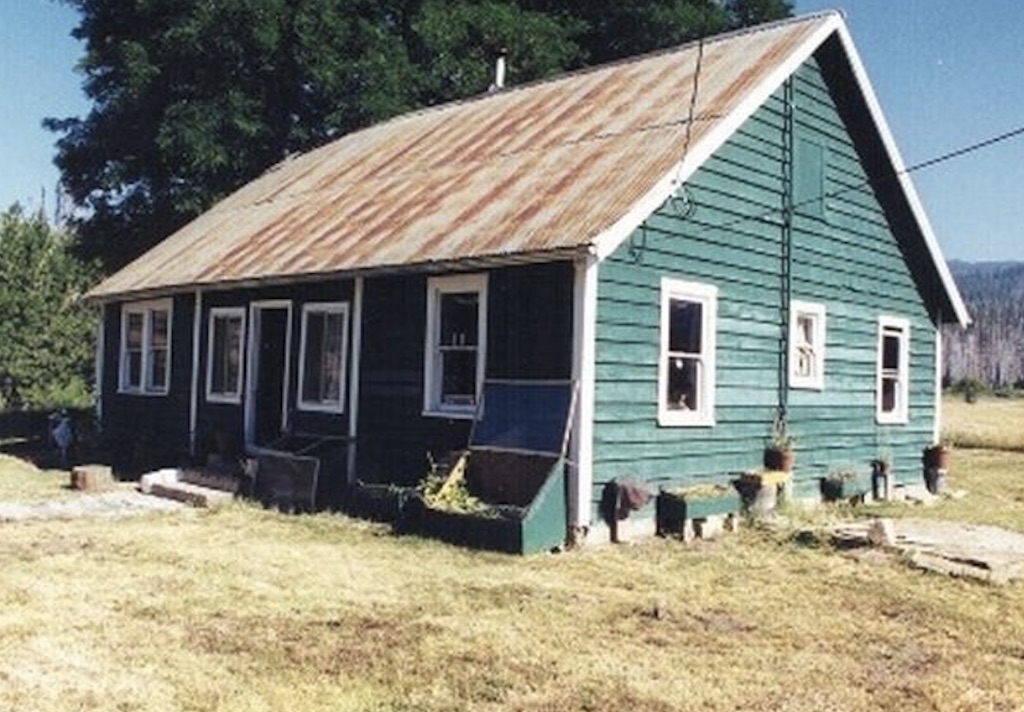
Early the next morning, Joie was packing her car for the journey when Cary Stayner approached her. He began talking about Bigfoot, telling Joie that he had once seen the creature near a barn close to her cabin. Joie listened as Cary continued talking to her.
Once Cary had established that she was alone, the conversation abruptly changed. He produced a gun and ordered Joie back inside the cabin, where he restrained and gagged her with duct tape. As he had with Carole, Juli, and Silvina, Cary told Joie that he only wanted money and promised that he would leave if she cooperated.
It soon became apparent that robbery was not his intention.
Cary forced Joie into his baby-blue 1979 International Scout and began driving away from the cabin. He did not get far.
Despite having her hands tied behind her back, Joie threw herself headfirst through the open window of the moving vehicle. She survived the fall, managed to get back onto her feet, and ran for her life.
Cary stopped the Scout in the road and chased after her. He caught up with Joie and knocked her to the ground, where the two struggled. Cary pulled out a knife and cut her throat, but Joie continued resisting. She pressed her chin firmly against her chest, attempting to protect her neck from further injury.
Cary attacked her again, inflicting a fatal wound.
After Joie died, Cary dragged her body down towards a creek. He returned briefly to his vehicle to move it from the road before going back to where he had left her. There, he decapitated Joie, concealed her body beneath leaves and reeds, and threw her head into a nearby drainage ditch.
The struggle had left behind something Cary had largely avoided at the Cedar Lodge: an uncontrolled crime scene. Joie’s escape from the vehicle, the pursuit, and the physical struggle had created evidence that could not simply be removed by cleaning a motel room or driving away with the victims.
Cary left the area, but once again, his movements did not go entirely according to plan. His ageing baby-blue International Scout broke down a short distance away, leaving him stranded.
Cary flagged down a passing park ranger and asked for a lift.
The ranger later remembered nothing about Cary’s behaviour to suggest what had just happened. He appeared calm throughout the encounter.
Only a short distance away, Joie Armstrong lay dead.
Armstrong Investigation
When Joie failed to arrive in Sausalito as planned, her friend contacted the authorities. A park ranger was sent to the Green House and found the cabin door open, with music still playing on the stereo. Joie’s truck remained outside, packed with the belongings she had intended to take with her. Everything suggested that she had been preparing to leave but had never made the journey.
More rangers arrived and began searching the surrounding area. Near the cabin, they discovered a broken pair of sunglasses and a red mechanic’s hat, along with tyre tracks belonging to another vehicle.
Later that day, Joie’s body was found partially submerged in a creek near her home. She had been decapitated, her trousers were undone, her legs had been positioned apart, and her bra had been pushed above one breast. Her head was not recovered until the following day, when it was found beneath the water approximately forty feet away.
Information was already beginning to point investigators towards Cary Stayner. Doug Ramsey, the park ranger who had given Cary a lift after his International Scout broke down, and Jeff Powers, an employee of the Yosemite National Park Fire Department, both reported seeing Cary’s vehicle near Joie’s cabin around the time she was killed.
On 22nd July, a BOLO was issued for the vehicle. Soon afterwards, a matching International Scout was spotted parked off Highway 140 near a popular nude swimming area along the Merced River.
Two park rangers and a Mariposa detective went to investigate and found Cary sunbathing naked and smoking marijuana. He identified himself as the handyman from the Cedar Lodge and confirmed that the vehicle belonged to him.
Cary agreed to allow the officers to search the Scout but refused permission for them to look inside his rucksack. At that point, Joie’s head had not yet been recovered, raising concerns about what Cary might be carrying. The officers seized the bag while they obtained a search warrant.
That evening, Cary was taken in for questioning. He denied any involvement in Joie’s murder and claimed that he had not been in Foresta. Without enough evidence to hold him, investigators released Cary but instructed him not to leave El Portal.
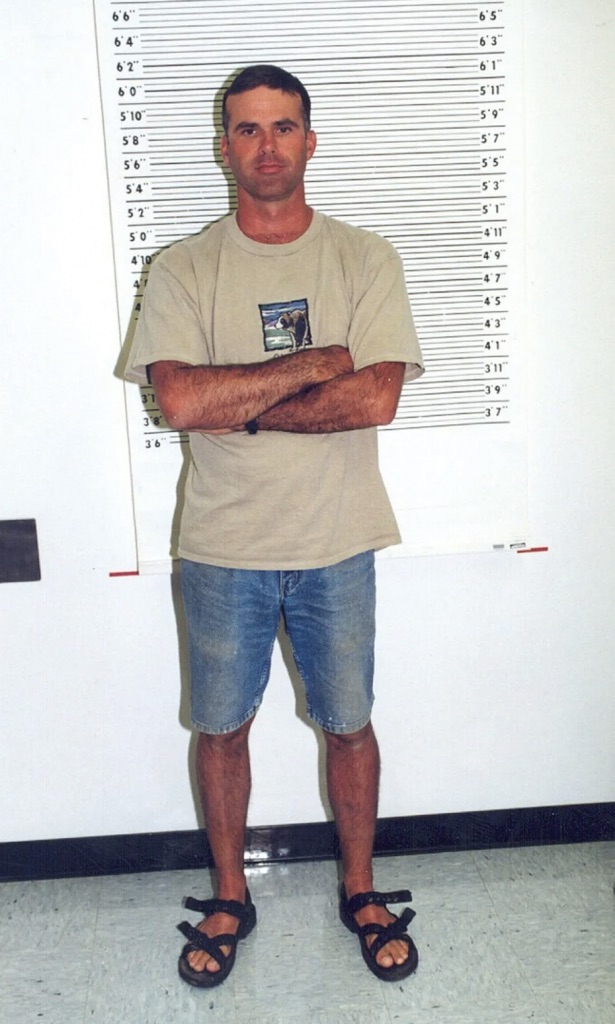
Meanwhile, the tyre tracks found near Joie’s cabin were compared with the tyres on Cary’s vehicle and were subsequently confirmed to match.
Once a warrant had been obtained, investigators also searched Cary’s backpack. Inside were a knife, camera, beer bottle, harmonica, tanning lotion, and a copy of John Saul’s Black Lightning, a novel about a serial killer who mutilates women. More significant was a packet of sunflower seeds. A torn section of its plastic wrapper would later be matched to a fragment found inside Joie’s cabin.
As the evidence increasingly connected Cary with the crime scene, investigators returned to his apartment the following day.
Cary was gone.
Before leaving, he had sold possessions to other Cedar Lodge employees, telling them that he needed money to repair his vehicle. Instead, he travelled to Laguna del Sol, a nudist resort in Wilton.
Even then, Cary made another attempt to reach Lenna and her sister. It was the third occasion on which he later said he intended to sexually assault and kill them. Once again, the presence of another man at the house prevented him from carrying out his plan.
Cary had not been at Laguna del Sol for long when another guest recognised him from news reports and contacted the authorities.
On 24th July, FBI agents John Boles, Ken Hittmeier, and Jeff Rinek were sent to collect Cary and transport him to the FBI office in Sacramento. At that stage, the agents understood that Cary was being brought in as a witness rather than arrested as a suspect. His reaction therefore struck them as unusual: when they approached him as he ate breakfast, Cary immediately stood and placed his hands on top of his head.
The agents did not arrest him. During the journey to Sacramento, Rinek spoke casually with Cary and established a rapport with him. Their conversation included Steven Stayner and his childhood abduction, with Cary commenting that he believed Kenneth Parnell had been treated too leniently.
Once they reached the FBI office, Cary underwent a brief interview about his background and was then given the choice of eating pizza or taking a polygraph examination.
Cary declined the polygraph. Instead, he asked to speak to Rinek alone.
The conversation they had shared during the journey had left Cary comfortable talking to him, and he began revealing increasingly personal details about his life. He spoke about his thoughts of harming girls, his erectile dysfunction, his compulsive hair-pulling, and the sexual abuse he said he had experienced at the hands of an uncle when he was 11.
Then the conversation changed completely.
Rinek still understood Cary to be a witness when Cary admitted that he had killed Juli Sund. He told the agent that he also had information about the murders of Carole Sund and Silvina Pelosso.
In return for that information, Cary made an extraordinary request. He asked the FBI to provide him with child sexual abuse material, telling the agents, “I can’t go to prison for the rest of my life and be happy without seeing it.”
The request could not be granted, but investigators needed to keep Cary talking. Boles and Rinek paused the interview and brought him the pizza he had been offered earlier.
As they ate together, Cary remarked that it would be his last pizza as a free man.
He also attempted to attach other conditions to his cooperation. Cary wanted his parents to receive the $250,000 reward offered in the Sund-Pelosso investigation, and he asked to serve any prison sentence close to their home in Merced.
Neither was something the agents could promise. Nevertheless, Rinek persuaded Cary to continue.
Cary began providing information that had never been released publicly and that investigators believed only the killer could know. He described making Juli shave her pubic hair, admitted sending the letter and map that led investigators to her body, and disclosed further details of the crime scenes. Eventually, he gave a full confession to the murders of Carole, Juli, and Silvina.
Cary was arrested and held overnight.
The following day, investigators took him back through the crime scenes so that his account could be documented and corroborated. With a video camera recording the process, Cary retraced his movements and directed agents towards evidence he had discarded.
In Foresta, he showed investigators where he had thrown the knife used during Joie’s murder. It was recovered with his fingerprints on the handle.
At Lake Don Pedro, Cary identified the location where he had discarded the knife used to kill Juli. Investigators recovered the weapon, along with duct tape used to restrain her. Cary also directed them to a cliff along the route to the lake where he said he had thrown the pink motel blanket in which he had wrapped Juli.
His confession was now supported by physical evidence and information that had not been publicly available. The FBI knew they had their man.
Later that day, James Maddock held a press conference with members of the Carrington family beside him. He announced that Cary Stayner had been arrested and that investigators had obtained information connecting him to the Sund-Pelosso murders. The FBI was still working to establish whether Cary had acted alone or whether anyone else had been involved.
On 26th July, Cary appeared in federal court in Sacramento and was charged with Joie’s murder. He was remanded to the Sacramento County Jail.
Once in custody, Cary spoke to KNTV reporter Ted Rowlands and admitted killing all four women. During the interview, he claimed that he had experienced “voices in his head” urging him to commit terrible acts since childhood and said that, by the time of the murders, he had become unable to resist them.
Cary was also thinking about the attention his crimes would bring him. He told Rowlands to contact Hollywood producers because he wanted a television film made about his story. He hoped producers would compete for the rights.
For years, Cary had resented the attention that surrounded his younger brother.
Now, he wanted everyone to hear his story too.
Trial of Joie Armstrong
On 5th August 1999, Cary was indicted for Joie Armstrong’s murder. He pleaded not guilty.
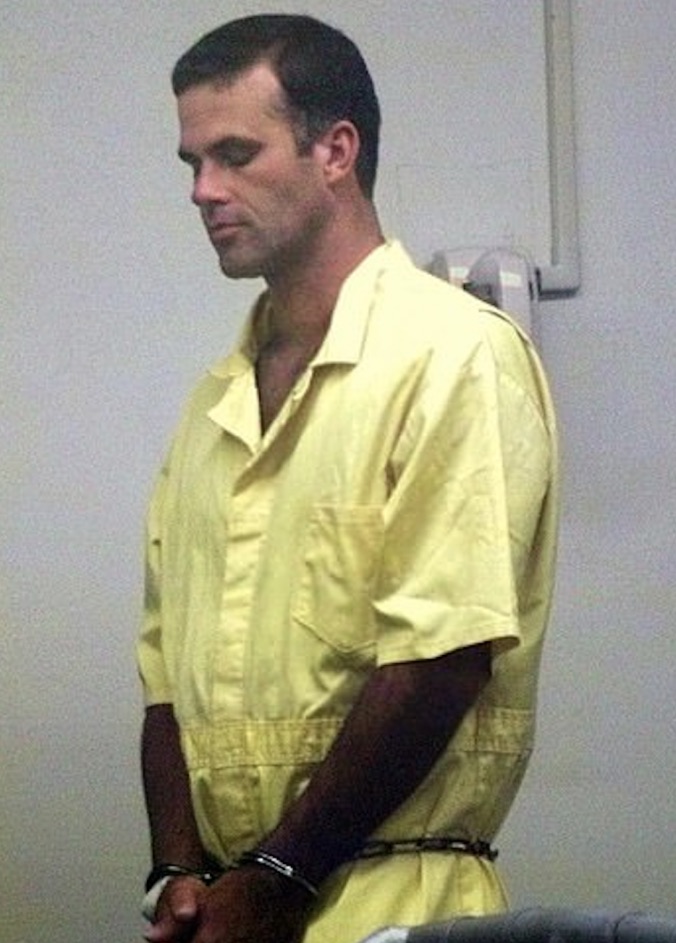
Because Joie was murdered inside Yosemite National Park, the case fell under federal jurisdiction. On 11th February 2000, federal prosecutors announced that they intended to seek the death penalty, a decision approved by U.S. Attorney General Janet Reno.
The case, however, never went to trial. In September 2000, Cary changed his plea to guilty of premeditated first-degree murder, felony first-degree murder, kidnapping resulting in death, and attempted aggravated sexual abuse resulting in death. Under a plea agreement with prosecutors, the death penalty was taken off the table.
Joie’s mother, Leslie Armstrong, supported the agreement. She knew that a death sentence could not bring her daughter back and wanted to avoid years of appeals and further court proceedings.
For the murder of Joie Ruth Armstrong, Cary Stayner was sentenced to life in prison without the possibility of parole.
Trials of Carole Sund, Juli Sund, & Silvina Pelosso
On 20th October 1999, Cary was formally charged with the murders of Carole Sund, Juli Sund, and Silvina Pelosso. Investigators had delayed filing the charges while they established whether he had acted alone or with accomplices. In addition to three counts of murder, Cary faced charges including burglary, robbery, forcible oral copulation, and attempted rape. He pleaded not guilty.
A preliminary hearing began at the Mariposa County Courthouse on 13th June 2001. During the proceedings, the court heard Cary’s six-hour confession in its entirety. As the recording played, Cary covered his ears with his hands and wept.
For the victims’ families, listening to Cary describe the murders was particularly difficult. At one point, Silvina’s father, Jose Pelosso, rose from his seat and lunged towards Cary, shouting, “Son of a bitch!” Officers restrained him and escorted him from the courtroom.
On 22nd January 2002, a judge ruled that the trial would be moved from Mariposa County to Santa Clara County. Cary’s defence team argued that extensive publicity surrounding the case would make it difficult to find an impartial jury. A survey of three hundred prospective jurors demonstrated just how widely known the murders had become, with 96 per cent of those surveyed in Sacramento County already familiar with the case.
On 22nd May 2002, Cary entered a plea of not guilty by reason of insanity. With California prosecutors seeking the death penalty, his mental state at the time of the murders would become central to the proceedings.
Nearly three years after Carole, Juli, and Silvina were killed, Cary’s trial began in San Jose on 15th July 2002.
Trial: Phase One – Guilt
During opening arguments, defence attorney Marsha Morrissey outlined the case that would be made concerning Cary’s mental health. His lawyers argued that generations of sexual abuse and mental illness within the Stayner family had contributed to a range of psychiatric and behavioural problems in Cary.
As part of that case, the defence presented evidence concerning Cary’s family history. A psychiatric report stated that Cary’s mother, Kay, had been sexually abused by her father as a child but later allowed him to live in the Stayner family home. Kay maintained that she had protected her daughters from him. However, testimony presented during the trial also alleged that Cary’s father, Delbert, had sexually abused his daughters.
On 22nd July, the jury heard Cary’s recorded confession. Two days later, evidence was presented concerning the demands he had made while confessing to the FBI, including his request for child sexual abuse material and his attempt to secure the reward money for his parents.
The murders themselves were not seriously in dispute. Cary had confessed, directed investigators to physical evidence, and revealed information that only the killer could reasonably have known. The central dispute was increasingly over his mental state and whether it could provide a legal defence for what he had done.
Over the following weeks, the defence presented expert testimony concerning Cary’s psychiatric history. Among its witnesses was Dr Jose Arturo Silva, a psychiatrist who had spent more than twenty-one hours interviewing Cary in jail, as well as speaking with his parents and reviewing his medical history and FBI interviews.
Silva described a complex collection of behaviours and psychiatric conditions. Evidence presented to the court included Cary’s longstanding preoccupation with Bigfoot and Nostradamus, nightmares involving disembodied heads, obsessive hair-pulling, violent sexual fantasies, paedophilia, voyeurism, social difficulties, and a lack of empathy. The defence also raised possible autism and the extensive history of sexual abuse and mental illness within the Stayner family.
By the time of closing arguments, the two sides were presenting very different explanations of Cary’s behaviour. Prosecutors portrayed him as a calculating sexual predator who had planned his crimes, understood what he was doing, and repeatedly attempted to conceal the evidence. The defence argued that he was profoundly mentally ill and had been shaped by a family history of abuse and psychiatric problems.
On 26th August 2002, after deliberating for less than five hours, the jury found Cary guilty of murdering Carole Sund, Juli Sund, and Silvina Pelosso.
Trial: Phase Two – Sanity
The proceedings then moved to a separate sanity phase to determine whether Cary had been legally insane when he committed the murders.
If the jury found that he had been legally sane, the case could proceed to the penalty phase, where prosecutors would continue seeking a death sentence. A finding of legal insanity would instead have removed the death penalty from consideration and resulted in psychiatric commitment, while Cary was already serving a federal life sentence for Joie Armstrong’s murder.
The defence called Dr Allison McInnes, an assistant professor of psychiatry and human genetics at Mount Sinai School of Medicine in New York. McInnes testified about Cary’s family history, describing evidence of psychosis, obsessive-compulsive disorder, substance abuse, paedophilia, and other psychiatric disorders across four generations. She concluded that Cary had been legally insane when he committed the murders.
The prosecution called forensic psychiatrist Dr Park Dietz, who reached a different conclusion. Dietz testified that Cary understood that his actions were wrong and pointed to the considerable planning, deception, and efforts to conceal evidence surrounding the murders. He described Cary as one of the higher-functioning offenders he had encountered.
On 16th September 2002, the jury agreed with the prosecution. After deliberating for less than four hours, jurors found that Cary had been legally sane when he murdered Carole, Juli, and Silvina.
Trial: Phase Three – Sentencing
On 9th October 2002, after six hours of deliberation, the jury rejected a sentence of life imprisonment without the possibility of parole and recommended the death penalty for the murders of Carole, Juli, and Silvina.
Following the verdict, Cary requested a new trial, arguing that none of the jurors had themselves been victims of sexual abuse. The judge denied the request, and on 12th December 2002, Cary was formally sentenced to death by lethal injection.
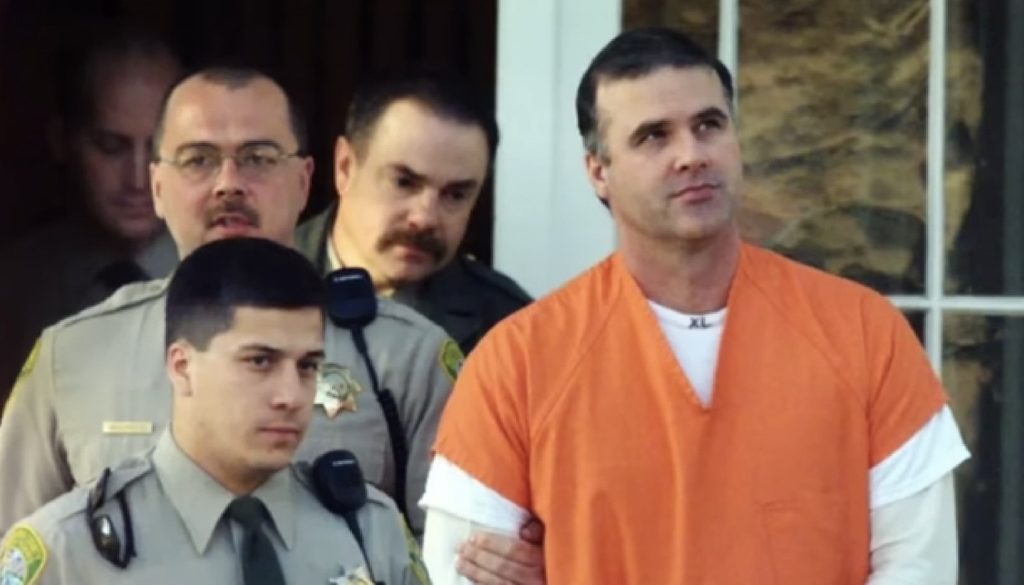
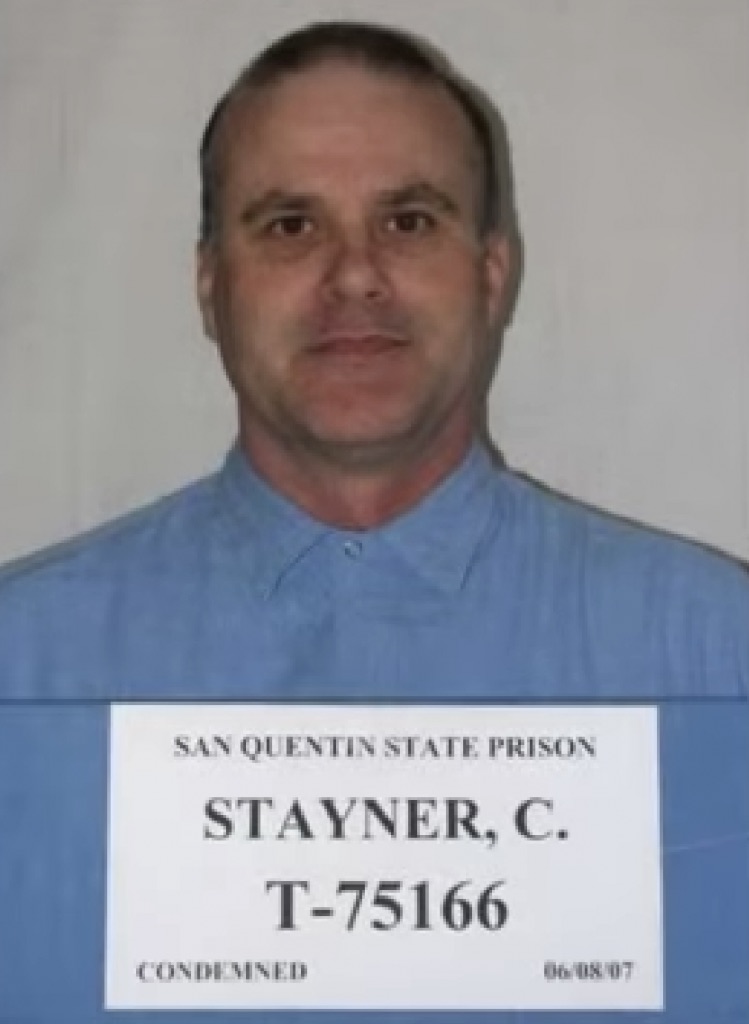
At the time of writing, Cary Stayner remains on death row at San Quentin State Prison, more than two decades after his conviction. California has not executed a prisoner since 2006, and a statewide moratorium introduced in 2019 has effectively halted all executions. While many death row inmates have since been relocated, Cary remains housed in the Adjustment Center, isolated, monitored, and still officially condemned.
Update – October 2026
Since this article was published, Cary Stayner has been transferred from San Quentin to Pelican Bay State Prison as part of California’s programme to relocate prisoners sentenced to death. His death sentence remains unchanged.
Aftermath
In 1999, the families of Cary’s victims filed wrongful death claims against the Cedar Lodge, arguing that the motel had failed to provide adequate security, had placed Carole, Juli, and Silvina in an isolated room, and had failed to conduct an adequate background check before employing Cary.
Steven Fabbro, an attorney representing Silvina Pelosso’s family, argued that hotels and motels had a responsibility to provide security for guests against threats from employees as well as strangers.
In August 2003, the Sund family accepted a $1 million wrongful death settlement from the Cedar Lodge.
But the lawsuit was not the only question that remained after Cary’s conviction. Although he confessed to four murders, investigators also considered whether his violence had begun years before Carole, Juli, and Silvina arrived at the Cedar Lodge.
Following his arrest, a number of earlier unsolved murders and disappearances were examined for possible connections to Cary. None resulted in charges against him, and no additional victims have ever been conclusively attributed to him.
Jesse Stayner
In December 1990, Cary’s paternal uncle, Jesse Stayner, was shot and killed by an intruder in his home. Cary was living with Jesse at the time and later alleged that his uncle had sexually abused him when he was 11.
Cary came under suspicion, but investigators found no evidence linking him to Jesse’s death. The murder remains unsolved.
Patricia Hicks Dahlstrom
Patricia Marie “Patty” Hicks Dahlstrom was 28 when she disappeared after moving from Washington State to Merced, California. She had last been in contact with her family in September 1982.
While living in California, Patty became involved with the San Anda Apostolic Church, a religious group founded by Donald Gibson. An investigation into Gibson uncovered sexual assaults committed under religious pretences, and in September 1981, he was convicted of four sexual offences. Patty had testified against him.
After leaving the group, Patty was last seen by her roommate taking public transport towards Yosemite National Park.
On 28th June 1983, a severed arm and hand were discovered in the park. Five years later, a skull was recovered near the same area. The remains went unidentified until 2021, when genetic genealogy established that they belonged to Patty.
Cary was known to have been acquainted with Gibson and had attended his 1981 trial. Those connections, together with Patty’s testimony against Gibson and her connection to Yosemite, led investigators to consider whether Cary could have been involved in her death. However, he has never been charged in connection with the case.
Veronica Martinez
In March 1992, the body of 19-year-old Sacramento waitress Veronica Martinez was discovered in a steep ravine between Auburn and Placerville. She had been decapitated.
Another man in Veronica’s life came under suspicion, but investigators were unable to establish that he had killed her. Cary was later considered in connection with the unsolved murder because of similarities to Joie Armstrong’s death.
Sharalyn Mavonne Murphy
In October 1994, the severed hands of 23-year-old Sharalyn Mavonne Murphy were discovered near New Melones Reservoir. Two months later, her decapitated torso was found beside a mountain road in Calaveras County. Her head has never been recovered, and her murder remains unsolved.
The FBI investigated possible similarities between Sharalyn’s murder and Joie Armstrong’s, but no connection to Cary was established.
Denise Smith
In December 1994, the burned body of 34-year-old Denise Smith was discovered inside a barrel near Don Pedro Reservoir, close to the area where Juli Sund’s body would be found several years later. Denise had been stabbed repeatedly before her body was burned.
Her murder was among the unsolved cases considered for a possible connection to Cary, but no link has been established.
Michael Madden
Michael Larry “Mike” Madden disappeared on 10th August 1996 while travelling to a camping trip in the Stanislaus National Forest near Sonora, California.
His disappearance was later examined for a possible connection to Cary because of Cary’s familiarity with the wider Yosemite and Stanislaus National Forest area. Michael has never been found.
Conclusion
The murders of Carole Sund, Juli Sund, Silvina Pelosso, and Joie Armstrong devastated their families and the communities around them. In the years that followed, however, those left behind found ways to ensure that something of the lives they had lived continued through work that helped others.
Carole’s family established the Carole Sund-Carrington Memorial Reward Foundation, which supported families searching for missing loved ones by raising awareness and offering rewards for information. The foundation operated for more than a decade before closing in 2009, when its remaining assets were transferred to the Laci & Conner Search and Rescue Fund, allowing that work to continue.
Joie’s passion for introducing children to the natural world was also carried forward through the Joie Armstrong Memorial Fund, established in 1999. The following year, the fund launched the Armstrong Scholars programme, giving young women aged 15 to 18 the opportunity to take part in a twelve-day wilderness backpacking programme in Yosemite’s High Sierra.
Each participant receives a $1,500 scholarship towards the experience, giving other young women the opportunity to explore the landscape that had meant so much to Joie.
Carole, Juli, Silvina, and Joie are remembered for far more than the circumstances in which their lives ended. The work created in their memory continues to help other families, support young women, and carry forward the things that mattered to them during their lives.
Sources & Further Reading
ABC News | Did FBI Blunder in Yosemite Murder Case?
ABC News | July 26, 1999: Cary Stayner Confesses to Killing a Woman in Yosemite National Park
Crime Library | Cary Stayner and the Yosemite Murders
Esquire | A Voice In the Dark
Grunge | The Untold Truth of Serial Killer Cary Stayner
Los Angeles Times | Judge Approves Change of Venue for Yosemite Triple Murder Trial
Los Angeles Times | Jurors Asked to Look into Mind of a Killer
Los Angeles Times | Sister Tells of Stayner’s Troubled Childhood
Murderpedia | Cary A. Stayner
NatureBridge | Yosemite Armstrong Scholars
North Coast Journal | Jens Sund Speaks
Outside | The Yosemite Horror
Press Democrat | Lawyer: Stayner Killed Trio, but was Insane at Time
Seriial Killer Calendar | The Stayner Family Tragedies
SF Gate | Defense to Fight for Stayner’s Life / Lawyers Cite Report Detailing a Life of Being Abused
SF Gate | FBI Eyes Other Unsolved Killings
SF Gate | FBI Missed Yosemite Cab Clue
SF Gate | Jury Recommends Death for 3 Yosemite Murders / Formal Sentencing Scheduled for December
SF Gate | He Dreamed of Killing
SF Gate | Life goes on for the Sunds
SF Gate | Overshadowed all His Life / Low-key Cary Stayner Took Back Seat to Kidnapped Brother
SF Gate | Plea for Tips On Missing Mom, 2 Girls / FBI Calls Kidnap Possible — $250,000 Reward Offered
SF Gate | Stayner’s Parents Fear Losing Another Son
SF Gate | Stayner Tried Before, Expert Says / 2 Girls From Finland Stalked Earlier, Psychiatrist Says
SF Gate | Yosemite Killer Sentenced to Death / Terrible Details of Stayner Case Stun Even the Judge
Strange Outdoors | The Yosemite National Park Sightseer Murders and the Two Faces of Evil
Books:
I Know My First Name is Steven. Mike Echols. 1999. Pinnacle Press.
The Yosemite Killer: Life of Serial Killer Cary Stayner. Jack Smith. Maplewood Publishing.
In the Name of the Children: An FBI Agent’s Relentless Pursuit of the Nation’s Worst Predators. Jeffrey L. Rinek and Marilee Strong.
Court Documents:
Pelosso v. Lodge. California Court of Appeal. March 16, 2006.
Newspaper Articles:
The Californian. Jurors to Determine Sanity of Convicted Yosemite Killer. 12 September, 2002. Page 20. Via Newspapers.com.
The Press Democrat. Steven Stayner’s Uncle Murdered. 27 December, 1990. Page 16. Via Newspapers.com.
Screen Media:
20/20 Evil in Eden, Pt 4: Cary Stayner Takes Refuge in Yosemite. ABC News.
20/20 Evil in Eden, Pt 5: Mother, Two Teens’ 1999 Disappearance Near Yosemite Leads to Massive Search.
20/20 Evil in Eden, Pt 6: After Third Yosemite Victim is Found, Suspected Killers Are Apprehended.
20/20 Evil in Eden, Pt 7: The Yosemite Serial Killer Claims His Fourth Victim.
20/20 Evil in Eden, Pt 8: FBI Finds Cary Stayner Has Fled to a Nudist Colony.
20/20 Evil in Eden, Pt 9: Cary Stayner Confesses Killing Innocent Women.
20/20: Paradise Lost. ABC News.
20/20 Extra: How Intended Victim of 1999 Yosemite Killer Views the Tragedy Today. ABC News.
ABC News Report: Cary Stayner Confesses to Killing a Woman in Yosemite National Park. ABC News. July 26, 1999.
Captive Audience: A Real American Horror Story. First episode date: April 21, 2022 (USA). Hulu.
ⓘ If you or someone you know has been affected by the issues raised in this article, support is available. You don’t have to carry it alone. Find free, confidential helplines and guidance on the Help & Support page.