The Empty Grave
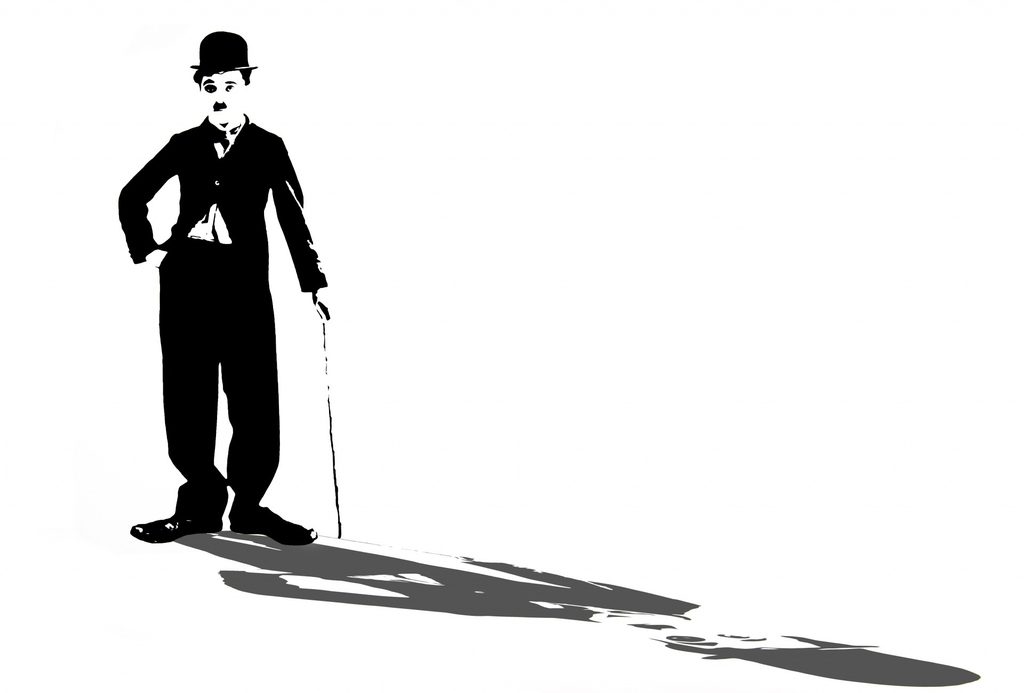
Sometime between the late hours of 1st March and the early hours of 2nd March 1978, under the cover of thick fog and cold rain, two men dressed in black entered the cemetery at Corsier-sur-Vevey, Switzerland, carrying torches and shovels. Their target was the grave of Sir Charlie Chaplin, who had been buried there just over two months earlier.
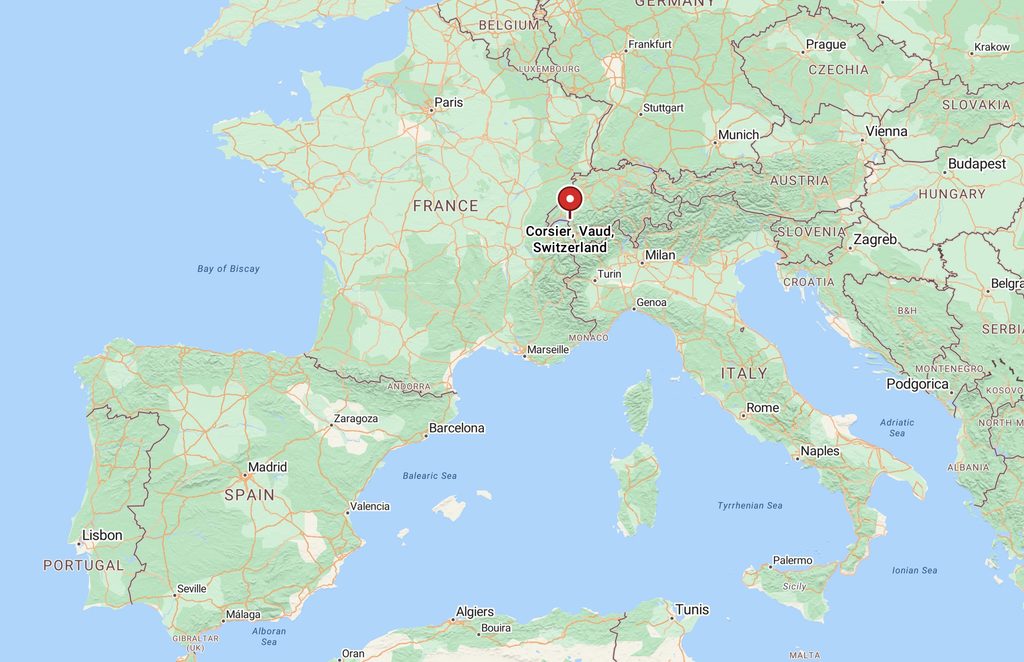
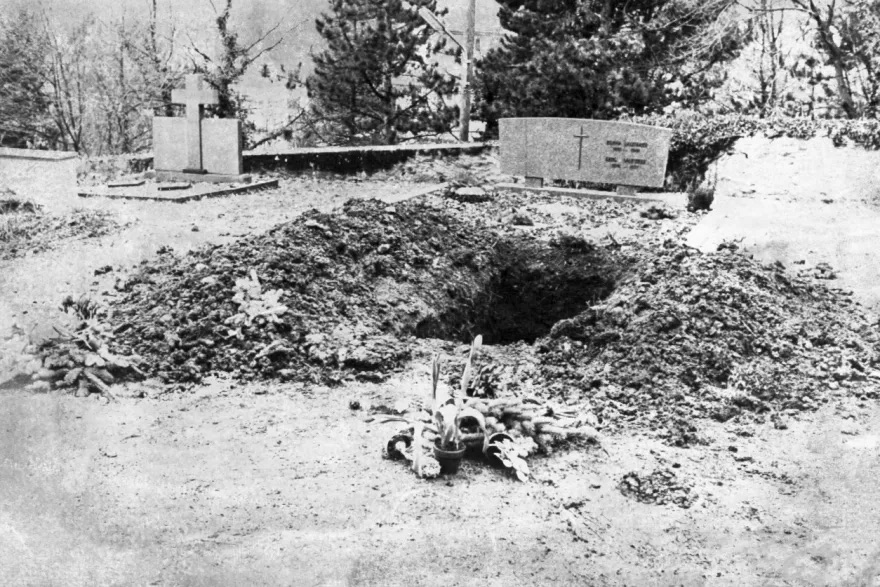
After digging up the grave, the pair extracted Chaplin’s oak coffin. Weighing nearly 300 pounds, it was no easy task to drag it a considerable distance to their hatchback car, load it into the vehicle, and drive away.
The theft went unnoticed until the following morning, when the cemetery caretaker discovered an empty grave and tyre tracks leading away from the site. Swiss police immediately launched an investigation.
Later that day, Chaplin’s widow, Lady Oona Chaplin, daughter of playwright Eugene O’Neill, received an extraordinary phone call from police informing her that her husband’s coffin had been stolen. Speaking to The Independent years later, their son Eugene recalled the family’s disbelief:
“We got a phone call from the police who said, ‘look, somebody has dug up the grave. The coffin has gone.’ It was a horrendous thing to happen, especially in Switzerland where everything is so quiet.”
What initially appeared to be a bizarre act of vandalism would soon become one of the strangest extortion cases in modern criminal history.
Life, Legacy, and Death in Exile
Sir Charles Chaplin was one of the most celebrated performers and directors in cinema history. Across a career spanning more than 75 years, he became an international icon through his mastery of physical comedy and his beloved ‘Little Tramp’ character. His most famous works included The Kid, The Gold Rush, City Lights, Modern Times, and The Great Dictator.
In 1952, while travelling to London for the premiere of Limelight, Chaplin learned that US authorities had revoked his re-entry permit. For years, he had been subjected to FBI scrutiny and criticism from anti-communist campaigners, who objected to his political views and the social themes explored in many of his films. Rather than contest the decision, Chaplin chose to settle permanently in Switzerland with his fourth wife, Oona, and their eight children.
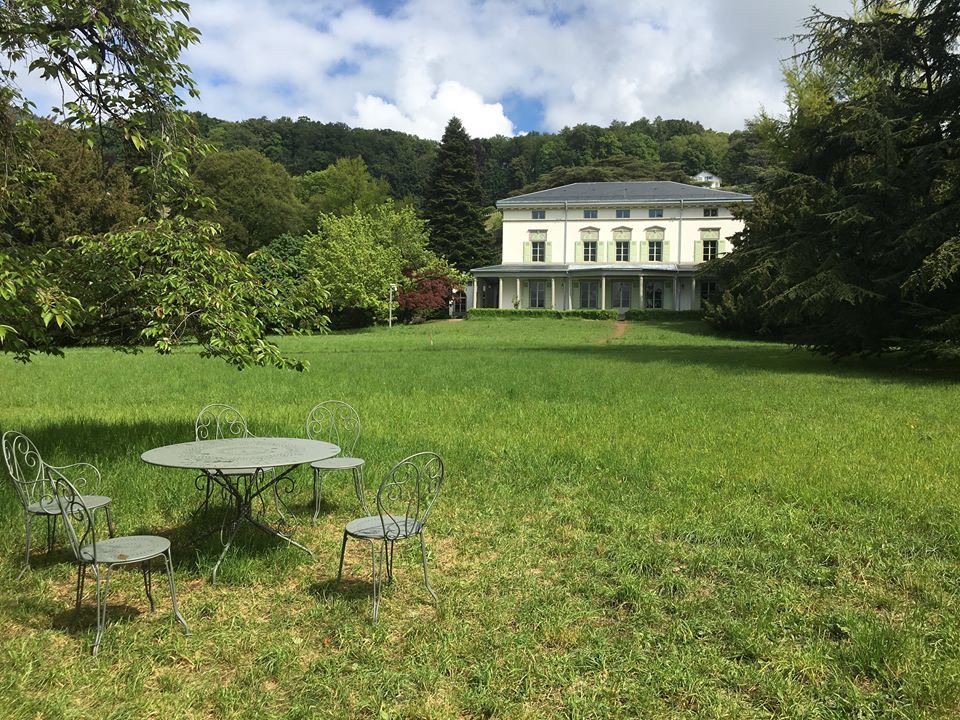
In 1953, the family moved into Manoir de Ban, a 35-acre estate overlooking Lake Geneva in the village of Corsier-sur-Vevey. Sometimes referred to as the “Little White House,” the property became Chaplin’s home for the final 25 years of his life.
On Christmas Day 1977, Chaplin died peacefully in his sleep after suffering a stroke. He was 88 years old. Following a small private Anglican funeral service on 27th December, he was buried at the nearby cemetery in Corsier-sur-Vevey.
Few could have imagined that just nine weeks later, his grave would become the focus of international headlines.
Rumours, Ransom, and Investigation
News of the missing coffin quickly spread around the world, triggering widespread speculation. Some believed devoted admirers had stolen Chaplin’s remains to rebury him in his native England, where he had once expressed a wish to be laid to rest. Others suspected souvenir hunters hoping to profit from the remains of one of cinema’s most recognisable figures.
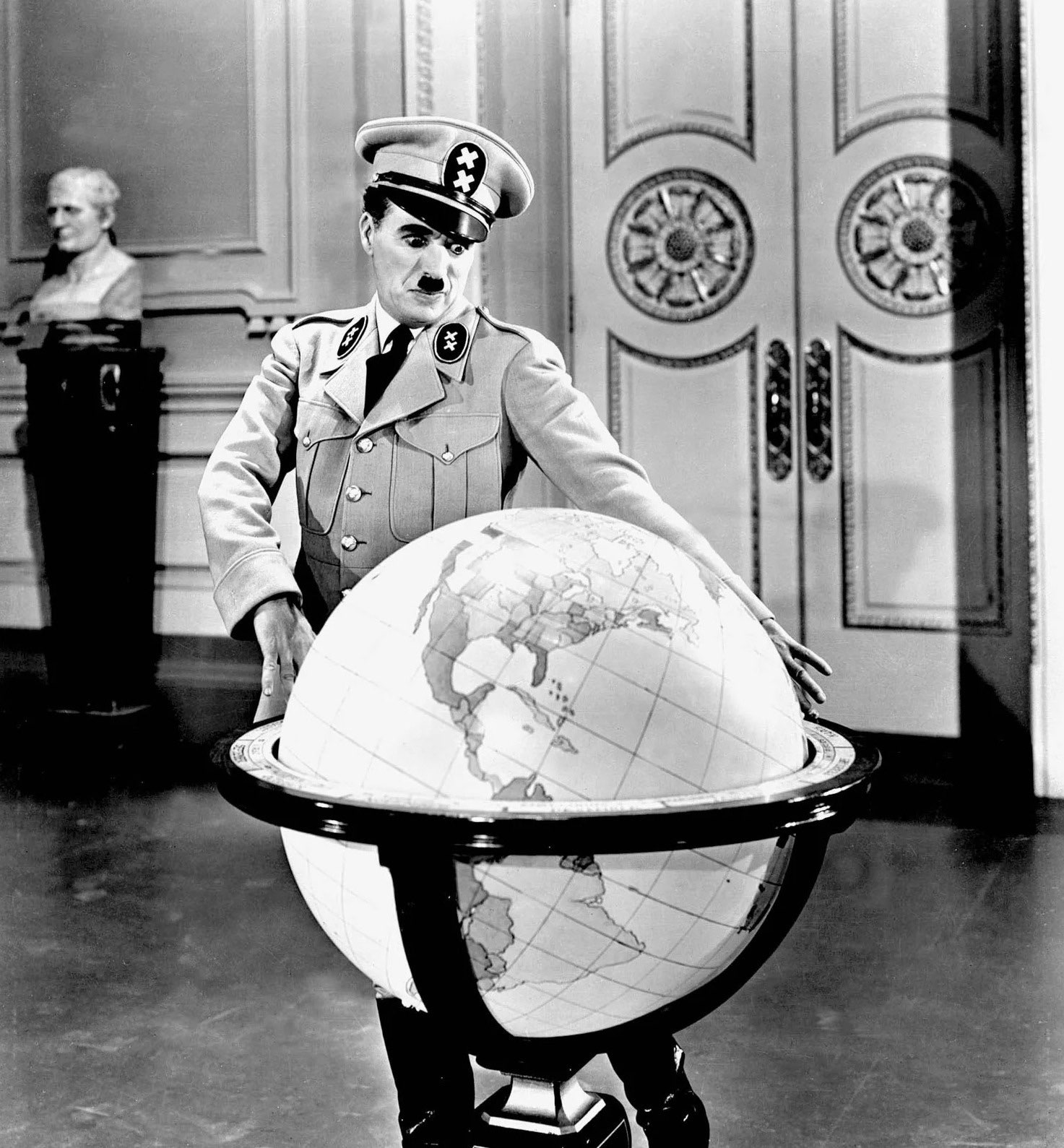
More elaborate theories soon followed. Some speculated that Chaplin had secretly been Jewish and that supporters wanted him buried in a Jewish cemetery. Others suggested neo-Nazis had taken his body in retaliation for The Great Dictator, his 1940 satire of Adolf Hitler and one of the earliest major films to openly mock the Nazi regime.
None of these theories was supported by evidence.
The explanation began to emerge when the Chaplin family received extortion calls from a man identifying himself as ‘Monsieur Rochat.’ Having obtained the family’s unlisted telephone number by pretending to be a journalist, the caller demanded $600,000, approximately £400,000 at the time, in exchange for the return of the coffin.
But the extortionists had underestimated Oona Chaplin. Rejecting the demand outright, she reportedly remarked that her husband would have found the scheme “ridiculous,” adding:
“A corpse is a corpse. My husband is in Heaven and in my heart.”
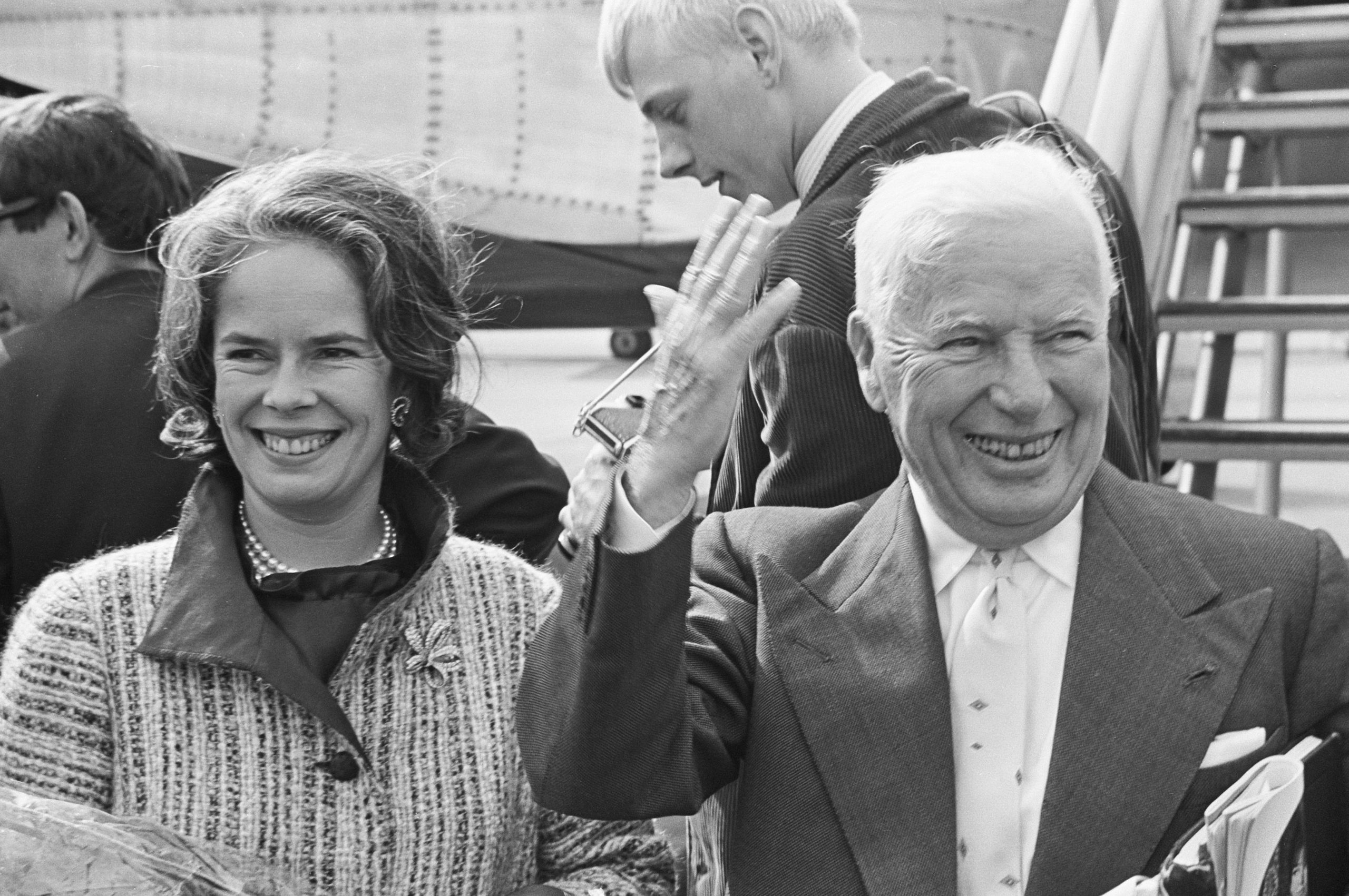
To identify the caller, Swiss police placed the Chaplin telephone line under surveillance and began recording incoming calls. Oona agreed to cooperate with investigators by pretending to negotiate. Assisted by family lawyer Jean-Félix Paschoud, she appeared willing to discuss payment, deliberately prolonging conversations and bargaining over the ransom amount to give detectives further opportunities to trace the calls.
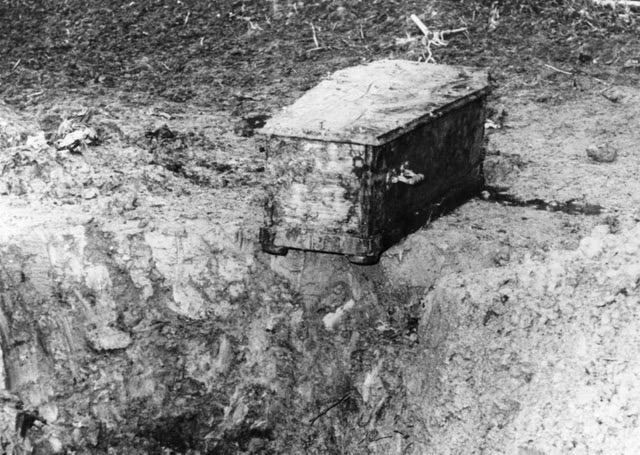
As media coverage intensified, the investigation became increasingly complicated. Opportunists began sending their own ransom demands to Oona, hoping to profit from the publicity. The genuine extortionists soon realised they would have to prove they possessed the coffin. To establish their credibility, they mailed a photograph showing Chaplin’s casket beside a freshly dug pit in a maize field.
For around ten weeks, the calls continued. Increasingly frustrated that no payment was forthcoming, the extortionists escalated their threats, eventually claiming they would harm Oona’s children if their demands were not met.
By May 1978, however, the police operation was closing in. The blackmailers had arranged another call during which they believed the terms of the ransom handover would be settled. Until then, they had avoided detection by using different public telephone boxes across the Lausanne area, never calling twice from the same location.
With a specific date and time finally established, Vaud police launched a large-scale surveillance operation. Plain-clothes officers were assigned to monitor approximately 200 public payphones throughout the region.
At 9:30 am on 16th May 1978, officers observing a telephone box on Avenue de la Dôle in Lausanne spotted the man they had been waiting for. As he made what would prove to be ‘Monsieur Rochat’s’ 27th and final call, police moved in and arrested him.
The caller was identified as Roman Wardas. His accomplice, Gantscho Ganev, was arrested shortly afterwards.
The Arrests, Recovery, and Trial
Following their arrests, Wardas and Ganev admitted that they had buried Chaplin’s coffin in a cornfield near Noville, approximately 20 kilometres from Corsier-sur-Vevey. However, they were unable to pinpoint its exact location.
Police searched the area using metal detectors, eventually locating the coffin by detecting its metal handles. On 17th May 1978, 76 days after it had been stolen, Chaplin’s coffin was recovered intact from the field.
Roman Wardas, the man behind the scheme, was a 24-year-old Polish refugee working as a mechanic in Lausanne. His accomplice, Gantscho Ganev, was a 38-year-old Bulgarian refugee who also worked as a mechanic. Ganev had previously been imprisoned in Bulgaria after attempting to flee to Turkey before eventually escaping to Western Europe and settling in Lausanne.
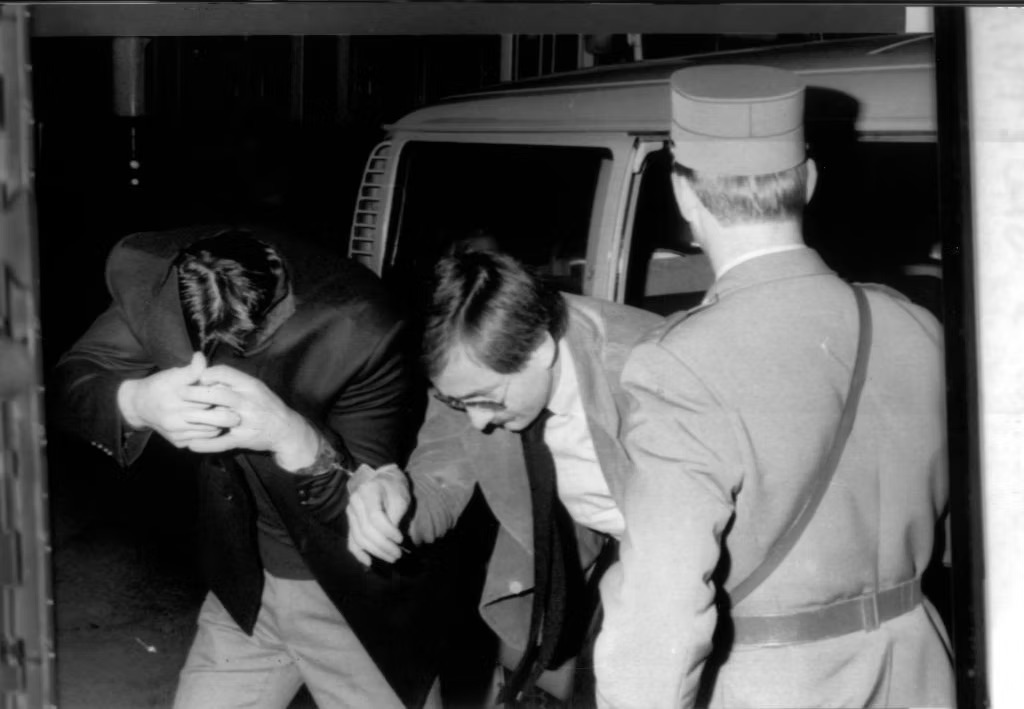
The trial took place in Switzerland in December 1978, when both men faced charges arising from the theft and attempted extortion.
During his testimony, Wardas explained that the idea had come to him after reading a newspaper article about a grave robbery in Italy. Seeing an opportunity to escape his financial difficulties and establish his own vehicle repair business, he decided that stealing Chaplin’s coffin and demanding a ransom could solve his problems. As he told the court:
“As a result I decided to hide Charlie Chaplin’s body and solve my problems.”
Wardas admitted that he had not felt particularly uneasy about interfering with a coffin, although he later became “scared out of his wits” when the theft attracted worldwide media attention.
He also revealed that the pair had originally intended to rebury the coffin elsewhere within the cemetery. However, heavy rain had turned the ground into dense mud, making further excavation impossible and forcing them to transport it to the cornfield near Noville instead.
Prosecutors regarded Wardas as the driving force behind the operation, with Ganev playing a considerably less influential role.
Both men were convicted of attempted extortion and disturbing the peace of the dead. Wardas received a sentence of four and a half years’ hard labour for masterminding the plot, while Ganev was given an 18-month suspended sentence in recognition of his lesser involvement.
Aftermath
Following its recovery, Chaplin’s coffin was returned to its original grave in Corsier-sur-Vevey. This time, precautions were taken to ensure it would remain there. The burial site was reinforced with a concrete vault approximately two metres deep and sealed with a heavy concrete slab to prevent any further attempts to steal his remains.
Following the convictions, the wife of one of the robbers wrote to Oona asking for forgiveness for her husband’s actions. Oona’s response was remarkably gracious:
“Look, I have nothing especially against you and all is forgiven.”
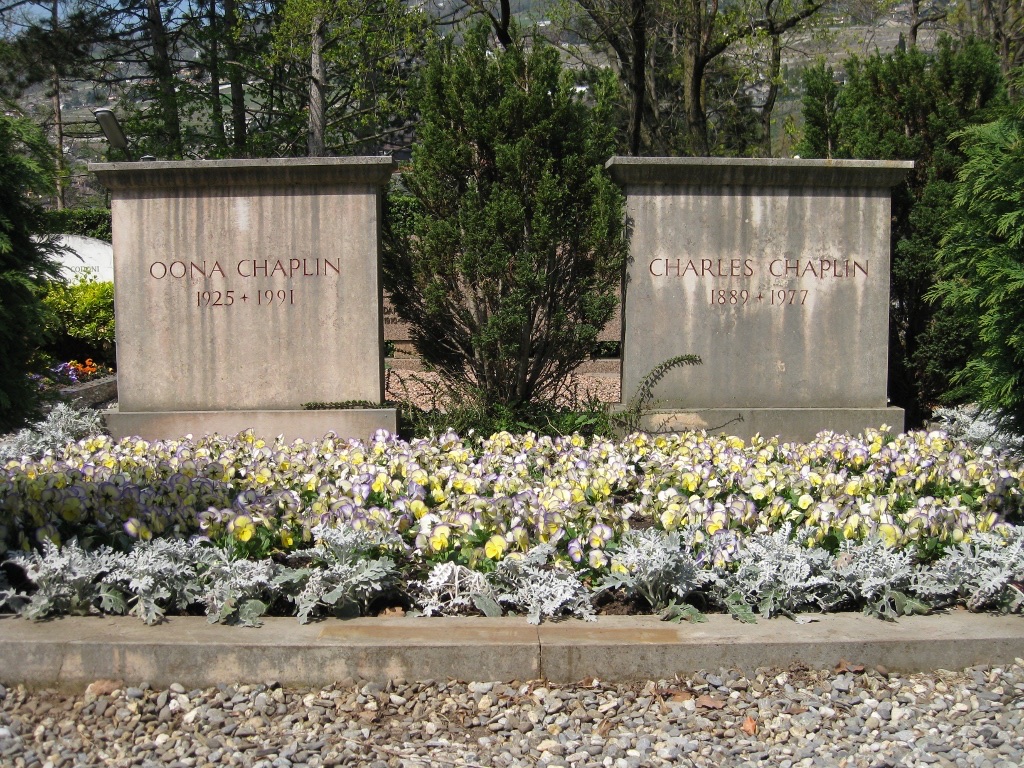
Oona remained in Switzerland for the rest of her life, dying in 1991. She was buried beside her husband at Corsier-sur-Vevey, bringing the couple together again in the peaceful village they had called home for nearly a quarter of a century.
And as for Charlie Chaplin, whose final resting place had once become the centre of an international mystery, the concrete reinforcement ensured that this time, his coffin would stay exactly where it belonged.
Sources
BBC | On This Day, 1978: Charlie Chaplin’s stolen body found
Independent | A stolen coffin and $600k ransom: Why two men robbed Charlie Chaplin’s grave
National Museum | When Chaplin’s corpse was kidnapped
SWI swissinfo.ch | When two out-of-work mechanics stole Charlie Chaplin’s corpse