Mary Mallon became infamous as “Typhoid Mary,” a woman portrayed as a dangerous carrier of disease who continued to leave outbreaks of typhoid in her wake. Her name became so closely associated with the spread of illness that, more than a century later, it is still used to describe someone who unknowingly infects others. But the story behind that name is more complicated.
For years, Mary had no idea that she was carrying typhoid. When the authorities finally identified her as the likely source of a series of outbreaks, she was forcibly detained despite never having been charged with a crime. What happened after she was released, however, would make her responsibility much harder to dismiss.
So how much of the villain behind “Typhoid Mary” was created by the newspapers, and how much by Mary herself?
Before Mary Knew
Mary Mallon was born on 23rd September 1869 in Cookstown, County Tyrone, Ireland, to John Mallon and Catherine Igo. Little is known about her education, although she received some schooling in Ireland.
In 1883, at around 15 years old, Mary left Ireland and emigrated to the United States aboard the steamship Ethiopia. After arriving in New York City, she initially lived with an aunt and uncle before entering domestic service as a maid.
Opportunities for an unmarried, working-class Irish immigrant woman were limited, but Mary discovered that she had a talent for cooking. By the late 1890s, she was working as a private cook, a skilled position that offered better wages than many other forms of domestic service.
Over the next decade, Mary worked for a succession of wealthy families in and around New York. It was during these years that an unusual pattern began to emerge. People living and working in those homes were contracting typhoid fever.
Typhoid is caused by the bacterium Salmonella Typhi and is usually spread through food or water contaminated by an infected person. Symptoms can include prolonged fever, weakness, abdominal pain, headache, and gastrointestinal problems. In severe cases, the disease can cause internal bleeding, intestinal perforation, and death.
By the beginning of the twentieth century, the bacterium responsible for typhoid had been identified, and vaccines were beginning to be developed. However, the disease remained a serious public-health problem and was particularly associated with overcrowded areas where sanitation was poor and clean drinking water was difficult to obtain.
Typhoid was far from a rare disease. In 1906 alone, New York City recorded 3,467 cases and 639 deaths. The scale of the problem meant that unexplained outbreaks were taken seriously, particularly when they occurred in places where the usual sources of infection could not be found.
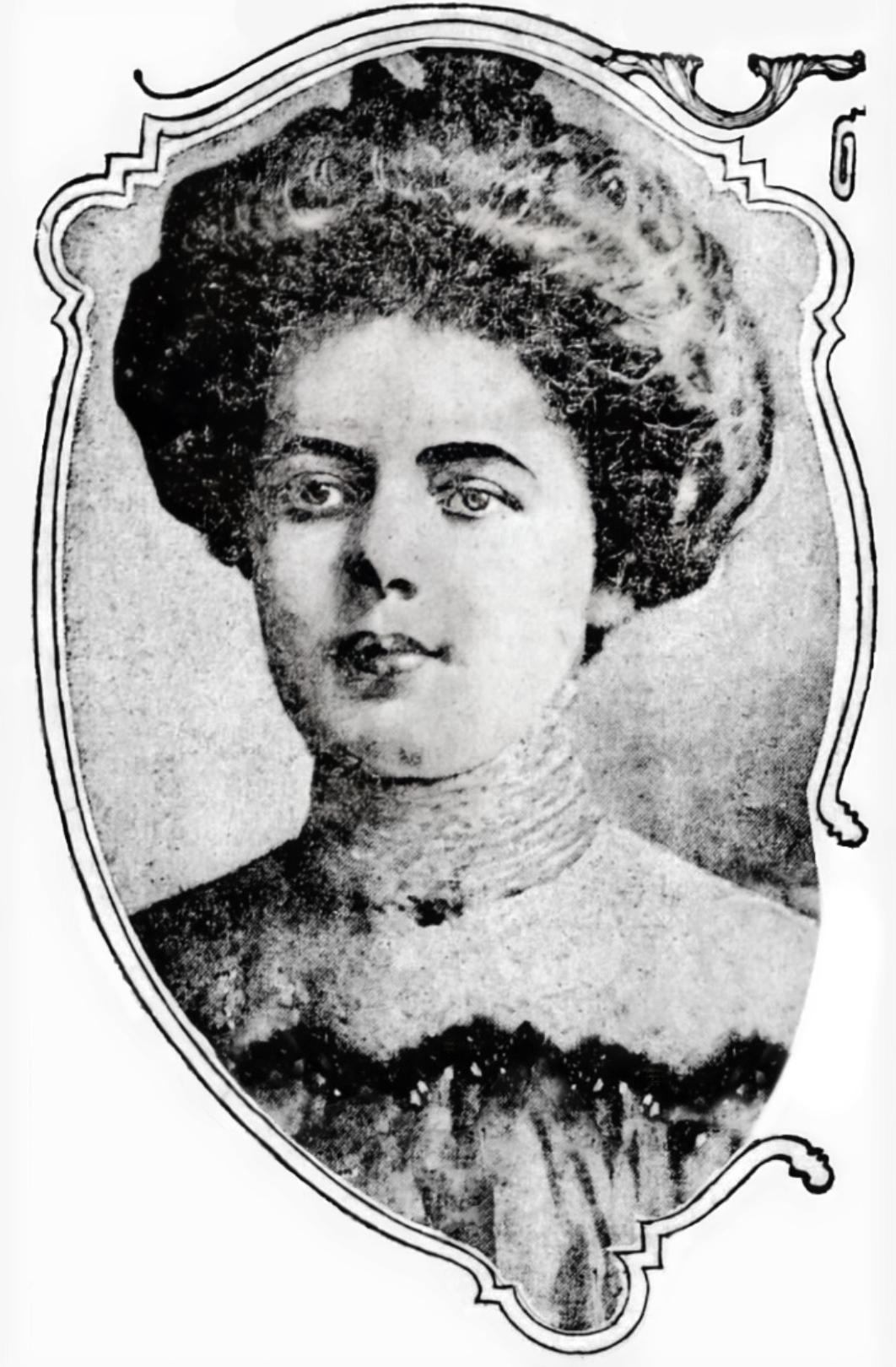
For years, the illnesses that occurred around Mary were treated as separate outbreaks. That changed in the summer of 1906, after she was hired as a cook by New York banker Charles Henry Warren.
The Warren family had rented a house in Oyster Bay on Long Island for the summer. Within weeks, six of the eleven people living there had contracted typhoid.
The owner of the property, Mrs George Thompson, was concerned that the unexplained outbreak would make the house difficult to rent in future, so she hired sanitary engineer George Soper, who specialised in investigating typhoid epidemics, to find its source.
Soper began with the usual suspects. He looked at the well, the overhead water tank, the cesspool, the privy, and manure used on the lawn. He investigated the household’s food, water and milk supplies. He also considered whether shellfish eaten by the family could have been responsible. None provided a satisfactory explanation.
His attention eventually turned to the household staff and, in particular, a cook who had arrived shortly before the outbreak and left again several weeks later.
Mary Mallon.
Soper began tracing Mary’s previous employment and discovered a striking pattern. Typhoid had appeared repeatedly in households in which she had worked.
His earliest record placed Mary with a family in Mamaroneck, New York, in 1897. In September 1900, a guest developed typhoid ten days after arriving at the house. At Mary’s next known position, a laundress was hospitalised with the disease in December 1901.
In 1902, Mary was employed by J. Coleman Drayton and his family at their summer residence in Dark Harbor, Maine. Two weeks after her arrival, an outbreak occurred, affecting seven members of the household, including family members and servants. Two visitors also contracted the illness. Physicians investigating the outbreak initially suspected the household footman, but that theory was later disproved.
Mary remained at the residence and helped to care for those who were ill. Mr Drayton was so grateful for her help that he rewarded her with a $50 bonus in addition to her regular wages.
Two years later, in June 1904, while Mary was cooking for the family of Henry Gilsey at their summer home in Sands Point, Long Island, four members of staff developed typhoid.
Once again, Mary remained healthy.
The same pattern kept appearing: typhoid entered households in which Mary was working, while Mary herself showed no signs of the disease.
Soper would eventually link twenty-six cases of typhoid to households in which she had worked. What he still did not understand was how a woman who had apparently never suffered from the disease could possibly be spreading it.
He also considered how the bacteria might have passed from Mary to the people eating the food she prepared. Cooking would have killed the bacteria in many dishes, but Mary was known to prepare an uncooked dessert of ice cream with fresh peaches. Soper later believed this may have been one way in which the infection was transmitted.
While Soper was investigating her employment history, however, Mary had already moved on. In September 1906, she began cooking for the family of George Kessler in Tuxedo Park. Within two weeks, the family’s laundress developed typhoid, and within a month of starting work, Mary had moved on again.
She next took a position at the Park Avenue home of Walter Bowen. In January 1907, a laundress became ill with typhoid. By the time Soper tracked Mary down in March, Bowen’s daughter had also contracted the disease. She would later die, becoming the first death Soper linked to Mary’s employment.
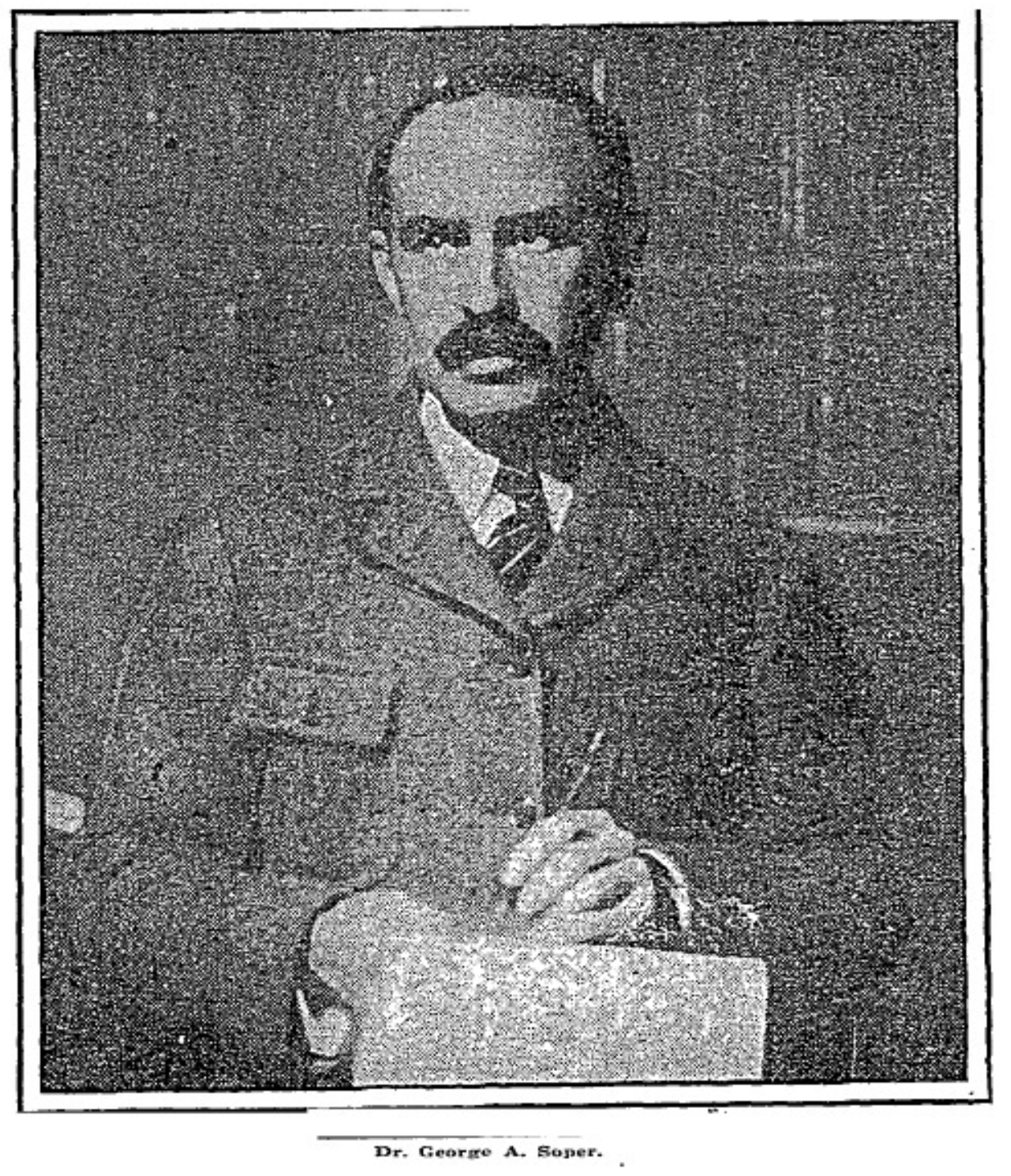
There was, however, one obvious problem with his theory.
Mary herself wasn’t ill.
The idea that a healthy person could carry and spread typhoid without developing symptoms was still relatively new. Mary had never experienced the disease herself and did not believe that she was responsible for the illnesses occurring around her.
Soper approached her in the kitchen of the Bowen home. He explained his theory and asked Mary to provide samples of her blood, urine, and stool so that he could determine whether she was carrying the bacteria. He also offered to arrange medical treatment at no cost to her if it proved necessary.
As Soper later recalled:
“I was as diplomatic as possible, but I had to say I suspected her of making people sick and that I wanted specimens of her urine, feces, and blood.”
Mary refused.
Her reaction also needs to be understood in the context of her circumstances. Mary was an unmarried, working-class Irish immigrant at a time when anti-Irish prejudice remained part of American life. Domestic work was her livelihood, and Soper was a stranger who had appeared at her workplace claiming that, despite being perfectly healthy, she was spreading a potentially fatal disease.
Whatever Mary’s reasons, she was not prepared to cooperate. According to Soper, the encounter ended abruptly:
“It did not take Mary long to react to this suggestion. She seized a carving fork and advanced in my direction. I passed rapidly down the long narrow hall, through the tall iron gate, out through the area and so to the sidewalk. I felt rather lucky to escape.”
After his first encounter with Mary, Soper discovered that she spent her evenings at a rooming house on Third Avenue. He approached her there and once again asked her to provide samples for testing.
Mary again refused.
Concerned that she might move on and become difficult to locate, Soper took his findings to the New York City Department of Health. On 20th March 1907, Dr Sara Josephine Baker was sent to Mary’s home in an attempt to persuade her to cooperate.
Baker was a physician and public-health reformer whose work focused particularly on reducing infant and child mortality in some of New York’s poorest communities. Her first encounter with Mary was brief. Mary refused to let her in.
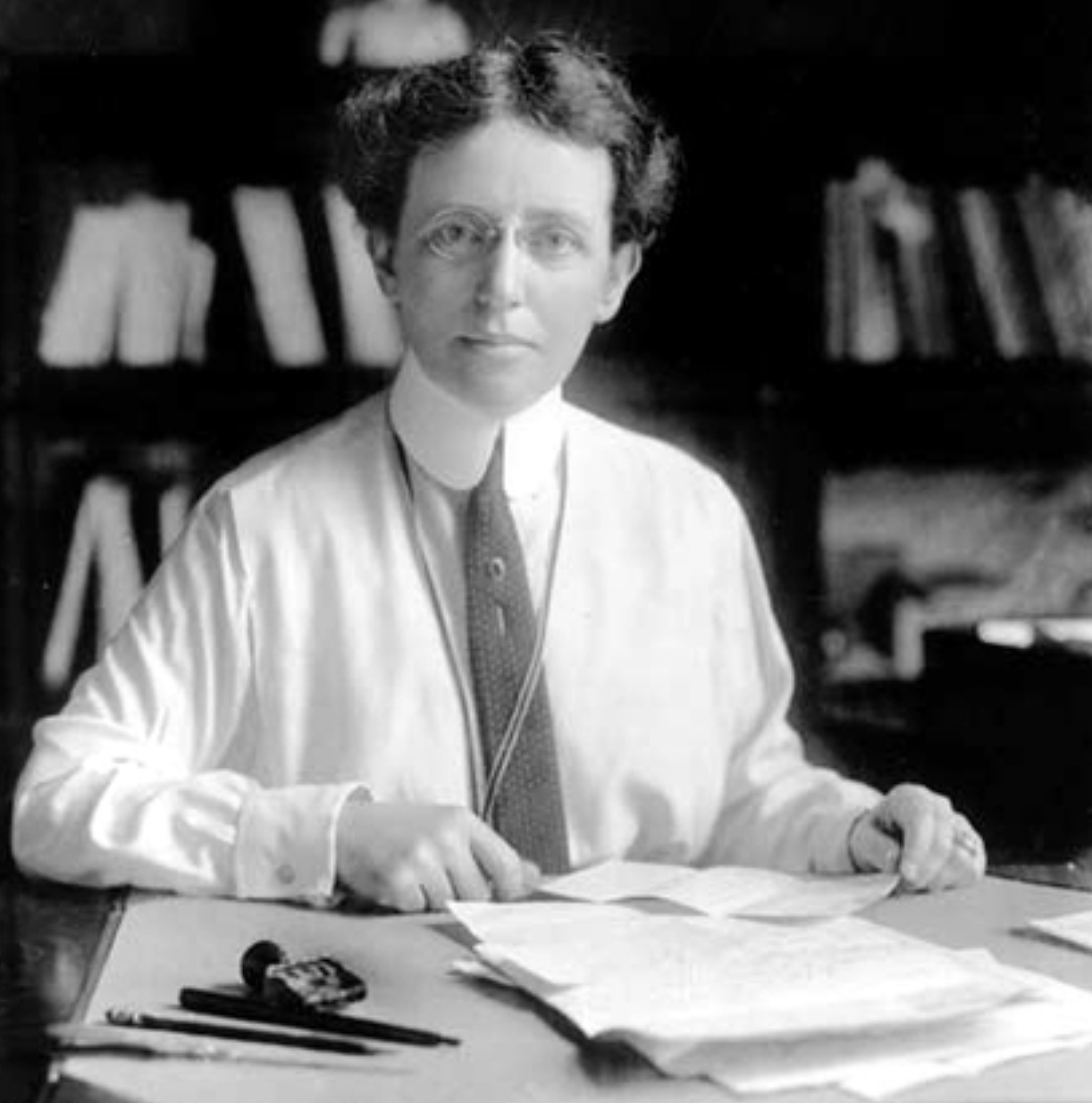
Baker returned accompanied by police officers. Mary resisted and fled into a neighbouring property, where she hid in an outdoor closet for several hours before she was discovered.
Baker later recalled:
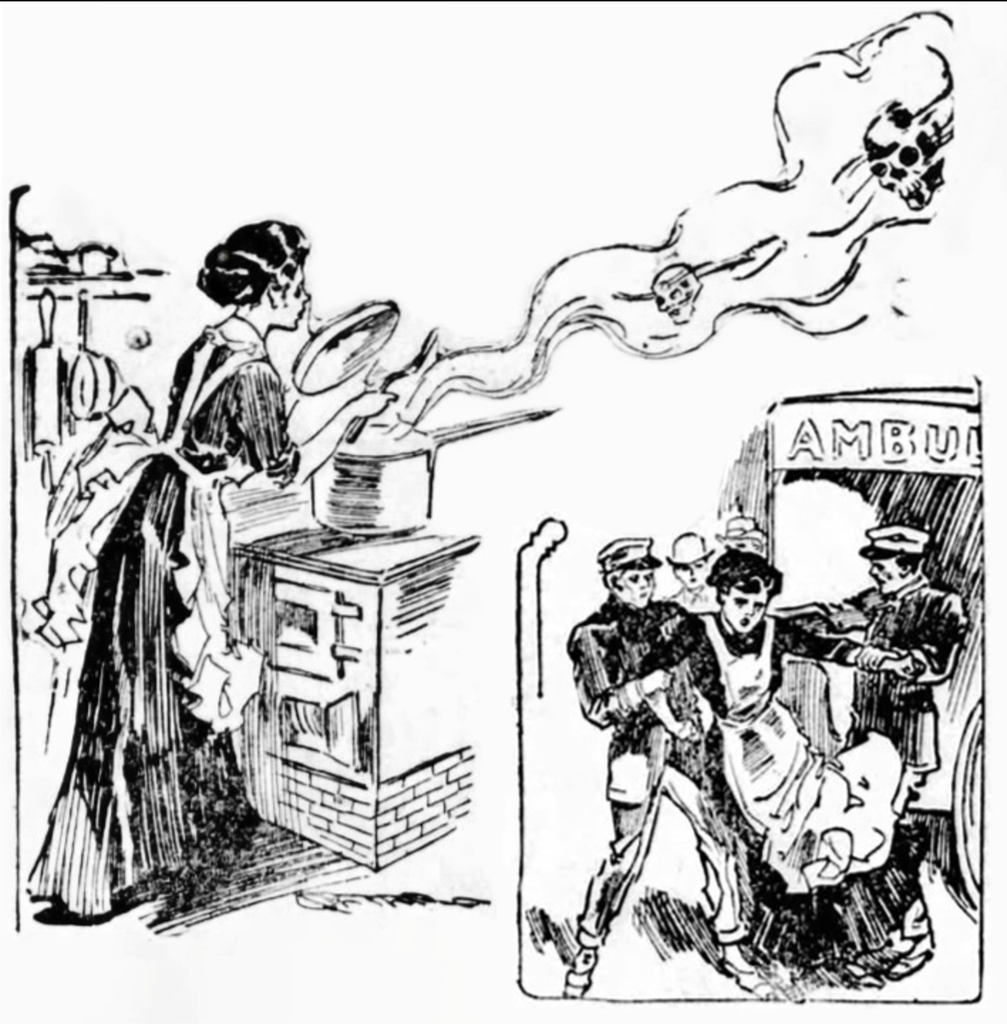
“She fought and struggled and cursed. I tried to explain to her that I only wanted the specimens and that then she could go back home. She again refused and I told the policemen to pick her up and put her in the ambulance. This we did and the ride down to the hospital was quite a wild one.”
Mary was forcibly taken into custody and transported to Willard Parker Hospital. Contemporary accounts, including Soper’s own, described what happened as her arrest, although she had not been arrested on suspicion of committing a criminal offence. Instead, the Health Department was exercising its legal powers to control the spread of communicable disease.
Within days, laboratory testing appeared to confirm Soper’s suspicions. Mary’s stool contained Bacillus typhosus, the bacterium responsible for typhoid fever.
Several weeks later, Soper visited Mary at Willard Parker. Because authorities regarded her as an escape risk following her resistance to arrest, she was being kept under lock and key in an isolation ward. Soper himself acknowledged that the room was neither attractive nor particularly comfortable and that there was little reason why a healthy, active woman should have been content to remain there.
He tried again to persuade Mary that she was spreading typhoid, telling her:
“Nobody thinks you have done it purposely. But you have done it just the same.”
Soper explained his belief that bacteria were being transferred from Mary’s hands to the food she prepared and suggested that her gallbladder might be harbouring the infection. He proposed that she have it surgically removed, although there was no guarantee that the operation would eliminate the bacteria.
He also offered to help secure her release if she cooperated with his investigation.
Mary listened without responding. When Soper finished speaking, she stood up, walked into the adjoining toilet, and closed the door.
Not long afterwards, Mary was transferred to Riverside Hospital on North Brother Island in the East River.
Her accommodation there was considerably different from the locked isolation room at Willard Parker. Mary was given a bungalow that had previously been built for the superintendent of nurses. It contained a living room, kitchen, and bathroom, with gas, electricity, and modern plumbing, and stood on the riverbank beside the hospital church.
The surroundings may have been more comfortable, but Mary was still being held there against her will.
Testing continued throughout 1907. According to Soper, specimens were examined three times a week between 20th March and 16th November, and the typhoid bacteria were found in all but a small number of them. The results demonstrated that although Mary remained completely free of symptoms, she could carry and shed the bacteria responsible for the disease.
Mary remained unconvinced.
While confined on North Brother Island, she arranged for specimens to be tested independently. Ten samples tested by Ferguson Laboratories between August 1908 and April 1909 reportedly produced no evidence of typhoid bacteria. These results appeared to contradict those obtained by the Health Department and strengthened Mary’s belief that she was healthy and being confined without justification.
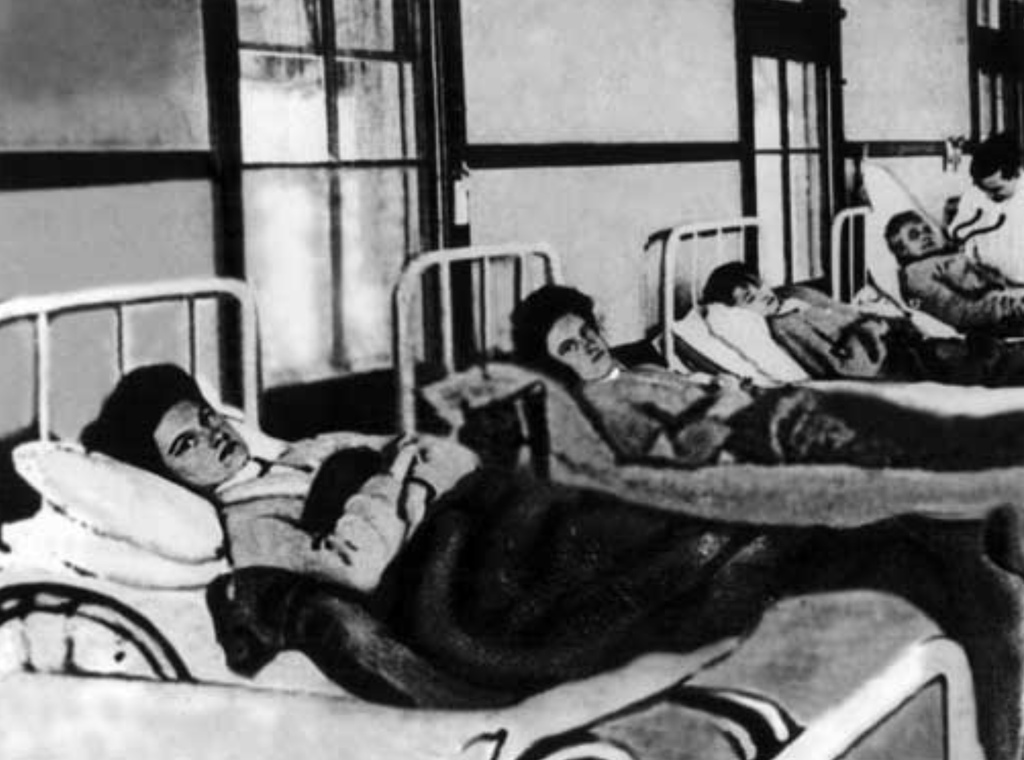
By this point, Mary had been deprived of her liberty for almost two years, yet she had never been charged with a crime.
There was no suggestion that she had deliberately infected anyone. Indeed, Soper himself had explicitly told her that nobody believed she had done so purposely. The Health Department was not attempting to punish Mary for what had already happened. It was using public-health law to prevent what officials believed might happen if she were allowed to return to preparing food for others.
For Mary, however, the distinction may have offered little comfort. She had been arrested by police, forcibly taken to hospital, and confined indefinitely, without ever facing a criminal charge or trial.
In 1909, she challenged that detention through the courts. With lawyer George Francis O’Neill acting on her behalf, Mary sought a writ of habeas corpus, arguing that she was being deprived of her liberty without due process.
She continued to insist that she was healthy and described her treatment on North Brother Island as humiliating. In a letter to O’Neill, Mary complained that she had effectively become an object of public curiosity:
I have been in fact a peep show for everybody. Even the interns had to come to see me and ask about the facts already known to the whole wide world. The tuberculosis men would say "There she is, the kidnapped woman." Dr. Park has had me illustrated in Chicago. I wonder how the said Dr. William H. Park would like to be insulted and put in the Journal and call him or his wife Typhoid William Park.
Her case raised a difficult question: how far could the state go to protect the public from someone who carried a dangerous disease but had committed no crime?
For health officials, the issue was the risk Mary presented. The evidence available to them indicated that she carried and intermittently shed the typhoid bacteria, and they believed that allowing her to return to cooking could expose more people to the disease.
For Mary, the issue was her liberty. She felt healthy, had never deliberately harmed anyone, had independent laboratory results supporting her belief that she was not infected, and had now spent more than two years confined without a criminal conviction.
In July 1909, the New York Supreme Court rejected Mary’s challenge and upheld the Health Department’s authority to keep her isolated.
Her detention continued for almost another year.
Then, in 1910, Health Commissioner Ernst J. Lederle offered Mary a way off North Brother Island. She could return to the community provided that she took precautions to prevent the spread of typhoid, reported regularly to the Health Department, and, most importantly, agreed never again to work as a cook or otherwise prepare food for other people.
Mary agreed.
Explaining the decision, Lederle said:
“She has been released because she has been shut up long enough to learn the precautions that she ought to take. As long she observes them I have little fear that she will be a danger to her neighbors. The chief points that she must observe are personal cleanliness and the keeping away from the preparation of other persons’ food. … She has promised to report to me regularly and not to take another position as a cook.”
After almost three years in compulsory isolation, Mary Mallon was free.
But there was now one fundamental difference between the woman who had been taken into custody in 1907 and the woman who walked off North Brother Island in 1910.
Mary now knew that she could carry typhoid without becoming ill herself. She knew why she had been told never to prepare food for others again, and she knew what could happen if she did.
After Mary Knew
For a time, Mary appears to have kept her promise. After leaving North Brother Island, she found work as a laundress, a job that kept her away from preparing food for other people.
It also paid considerably less than cooking.
Mary had lost the occupation through which she had supported herself for years, and there was no financial assistance to compensate for that loss of income. Eventually, she returned to the kitchen.
This time, however, the circumstances were very different. Mary had spent almost three years being told that she carried typhoid bacteria. She had agreed not to prepare food for others as a condition of her release, and she knew that returning to cooking could place other people at risk.
She did it anyway.
Mary began working under assumed names, including “Mary Brown,” while the Health Department gradually lost track of her. Returning to the private kitchens of wealthy families was difficult because employment agencies were now familiar with her, so she found work elsewhere, including a Broadway restaurant, a hotel in Southampton, an inn in Huntington, a fashionable hotel in New Jersey, and a sanatorium in New Jersey.
According to Soper, cases of typhoid continued to occur around Mary during these years, although no complete record was ever made. He identified several cases, including two children and a man who developed typhoid after Mary prepared a homemade remedy for his indigestion. Soper believed the true number of infections during Mary’s five years of freedom was probably considerably higher.
For almost five years, however, Mary successfully avoided the authorities.
Then, in October 1914, using the name “Mary Brown,” Mary took a position as head cook at Sloane Maternity Hospital in Manhattan.
The hospital was known for its attention to sanitation, and its attending obstetrician and gynaecologist, Dr Edward B. Cragin, placed particular emphasis on careful hand hygiene. Mary had been working there for around three months when, in January 1915, typhoid appeared.
By the end of the outbreak, 25 people had contracted the disease and two had died.
Those deaths marked an important difference from the outbreaks that had occurred before Mary’s first confinement. In those earlier years, she had no reason to know that she was an asymptomatic carrier. By the time she began working at Sloane, she had spent almost three years being told that she carried and spread the bacteria responsible for typhoid. She had been released only after agreeing not to prepare food for other people.
Mary continued to deny that she was a carrier, so there is no evidence that she intended to infect anyone. Nevertheless, she had knowingly returned to the occupation that health officials had warned could place other people’s lives at risk. At Sloane, that risk was no longer theoretical. Two people had died in an outbreak attributed to her.
There was a remarkable irony at Sloane. Some of the other servants had begun jokingly calling their cook “Typhoid Mary.” The name was already well known, having been used in the press years earlier, and some of the hospital staff remembered the published accounts. What they did not realise was that the woman they knew as Mrs Brown actually was Mary Mallon.
They had no idea that their joke was literally true.
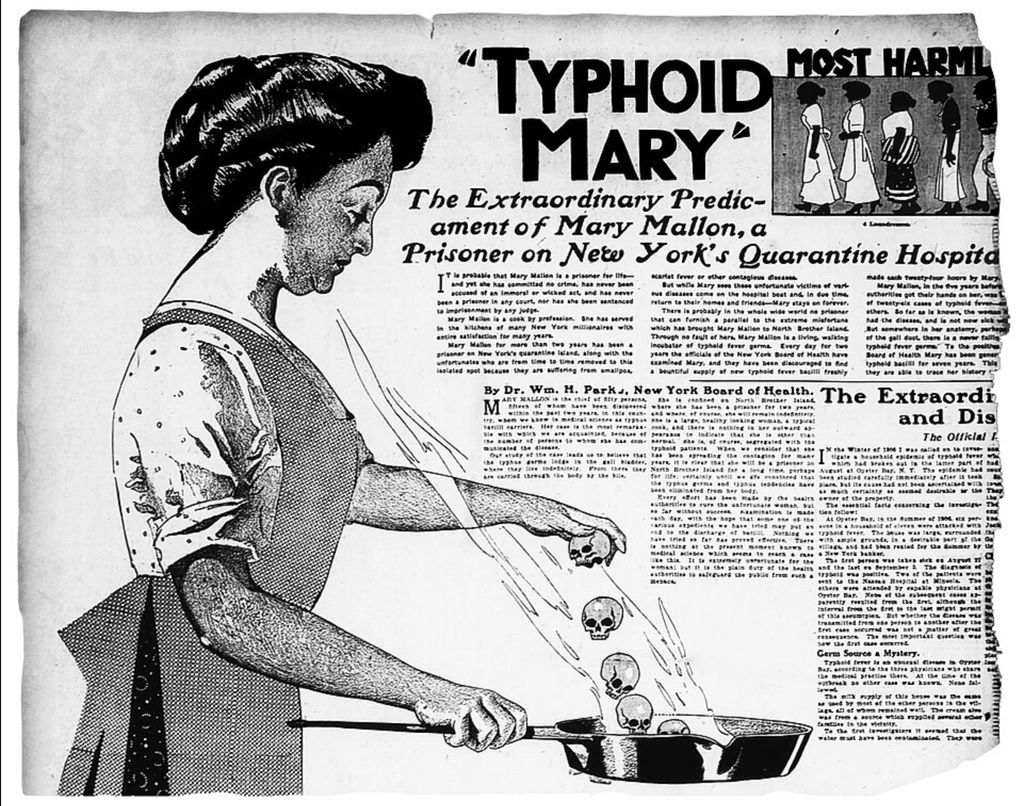
New York American article, June 1909
Hospital physician Dr Edward B. Cragin contacted George Soper about the outbreak. When Cragin showed him a letter written by the cook, Soper recognised Mary’s handwriting immediately. Mrs Brown was Mary Mallon.
As suspicion began to focus on her, Mary disappeared.
She did not simply leave Sloane and find another job. According to Soper’s earlier account of the case, Mary left New York for New Jersey and then moved again to a house on Long Island. Health officials had to trace her before they could finally take her back into custody.
Mary still maintained that she was not a carrier, but by this point she knew that she had broken the conditions of her release. She had returned to cooking under an assumed name, stopped reporting to the Health Department, and now fled when suspicion turned towards her.
Whatever Mary believed about the medical evidence, she clearly understood that the authorities would come looking for her.
They eventually found her in March 1915. Although Mary had attempted to avoid being found, there was no repeat of the physical struggle that had accompanied her first arrest. Soper later recalled that when officials finally apprehended her, she offered no resistance.
This time, there could be no argument that Mary had been unaware of the danger health officials believed she posed. She had been warned, tested, quarantined, and released only after agreeing not to work as a cook. She had broken that agreement, returned to cooking under assumed names, and two people had now died in an outbreak attributed to her.
Yet once again, Mary was not criminally prosecuted.
Instead, she was returned to North Brother Island.
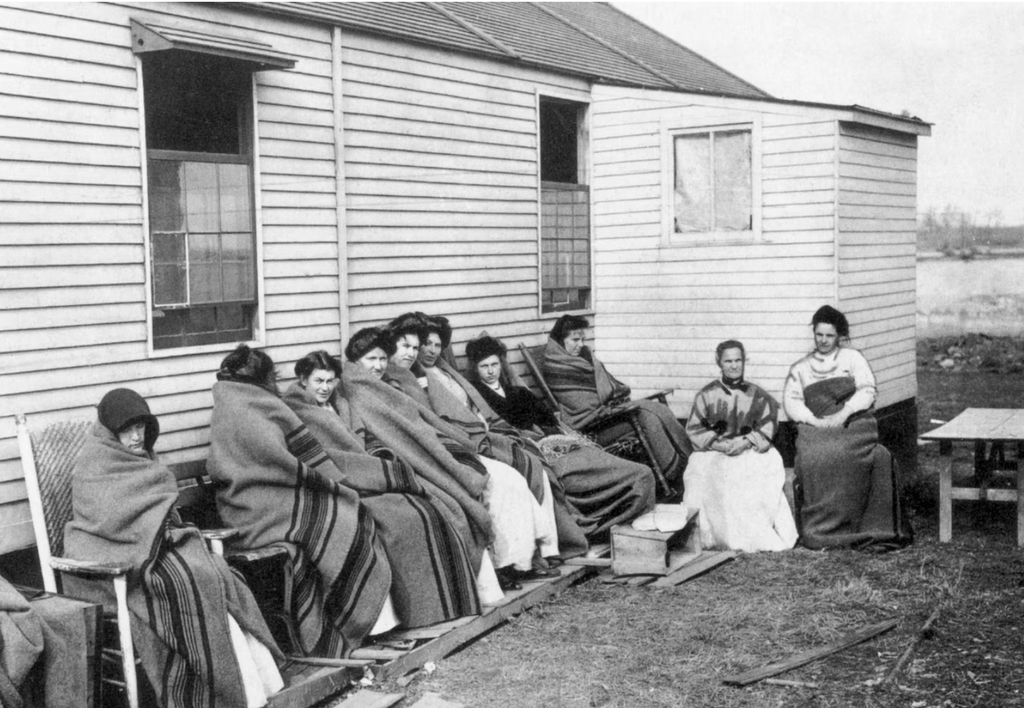
North Brother Island
There would be no second release.
Mary remained there for the rest of her life, although her circumstances gradually changed. From 1918, she was permitted to work in the Riverside Hospital laboratory, where her duties included cleaning glassware, washing bottles, recording data, and assisting technicians. She was also eventually granted permission to make temporary visits to the mainland and returned voluntarily after them.
By then, the woman who had once hidden from health officials and fought against her confinement appears to have become more accepting of life on the island.
In December 1932, Mary suffered a severe stroke that left her paralysed. She was moved from her bungalow to a bed in the children’s ward of Riverside Hospital, where she spent the final six years of her life.
Mary Mallon died on 11th November 1938, aged 69.
In one of his final accounts of Mary’s case, Soper attributed 53 cases of typhoid and three deaths to her, while acknowledging that there were probably other infections that had never been identified.
A funeral service was held at St Luke’s Church in the Bronx and attended by only nine people. She was buried at Saint Raymond’s Cemetery.
After her death, notices seeking Mary’s relatives were published in newspapers, but none came forward. She left behind a small amount of money and something considerably larger: a name that had become synonymous with the unknowing spread of disease.
By the 1930s, more than 400 other healthy carriers of typhoid had been identified in New York. None became as notorious as Mary, and historians have noted that other carriers were generally managed far less harshly.
Mary Mallon – Villain or Victim?
Mary Mallon became one of the most infamous figures in the history of public health, while newspapers portrayed “Typhoid Mary” as a danger to those around her.
That image tells only part of the story.
When Mary was first identified as a carrier, there was no evidence that she had deliberately harmed anyone. She did not believe that she could spread a disease she had never suffered from, yet she was arrested, confined for almost three years, and subjected to intense public attention without ever being charged with a crime.
After her release, however, Mary’s position became much harder to defend. She had been warned about the danger she could pose and had agreed not to prepare food for others. She chose to return to cooking anyway.
She may never have accepted that the science was correct, and there is no evidence that she intended anyone to become ill. But ignorance could no longer explain her actions.
Soper later recalled the argument made by Mary’s lawyer:
“She had been advertised to the world as a dangerous person and had been treated worse than a criminal, and yet she had not been guilty of the least violence toward anybody.”
Mary Mallon was never convicted of a crime.
Whether history should remember her as a victim of public-health powers, a woman who knowingly placed others at risk, or some combination of the two is much harder to answer.
Sources
BBC News | How Typhoid Mary left a trail of scandal and death
Bulletin of the New York Academy of Medicine | The Curious Career of Typhoid Mary | George A. Soper | 1939 | Available at the National Library of Medicine
Historical Case Study| Typhoid Mary
LSA | George Soper on Mary Mallon
National Geographic | Typhoid Mary
PBS | In Her Own Words