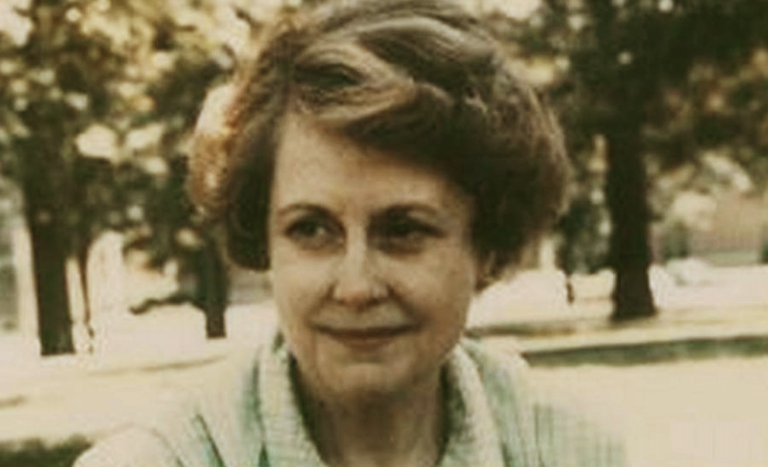
In April 1975, 25-year-old architecture student Hallie Ann Seaman was preparing to build a career designing better housing for low-income families. On a Tuesday night, she left her university studio and vanished. By the following afternoon, her car had been burned and her body had been found beneath the I-5 freeway. For nearly fifty years, the identity of the man who killed her remained unknown. Then, in 2023, a DNA match finally gave Hallie’s family an answer — and it was not a name anyone expected.
Early Life and Education
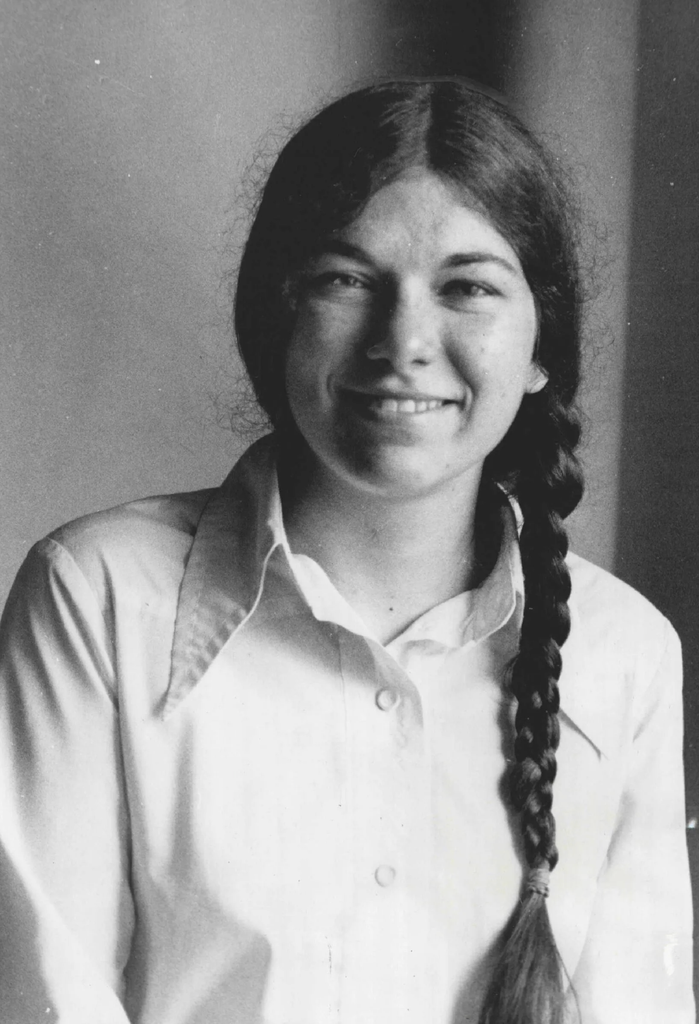
Hallie Ann Seaman was born on 2nd July 1949 in Michigan. Her family later settled in Moscow, Idaho, where she grew up in a household deeply involved in education, civic work, and community life. Her father, Dr Francis “Frank” Seaman, earned a PhD in philosophy from the University of Michigan, chaired the philosophy department at the University of Idaho, and served for many years on the local school board. Her mother, Mary Alice Seaman, worked in drafting at the Willow Run Bomber Plant during the Second World War, studied nursing, and remained active in city planning and civic organisations. Hallie was the eldest of three children, with a younger brother, Thomas, and a younger sister, Jill.
Hallie attended Moscow High School, where she was inducted into the National Honor Society and took part in orchestra, Drama Club, Debate Club, Pep Band, and the Future Scientists of America. Friends and teachers described her as intelligent, energetic, and academically driven. She graduated in 1966.
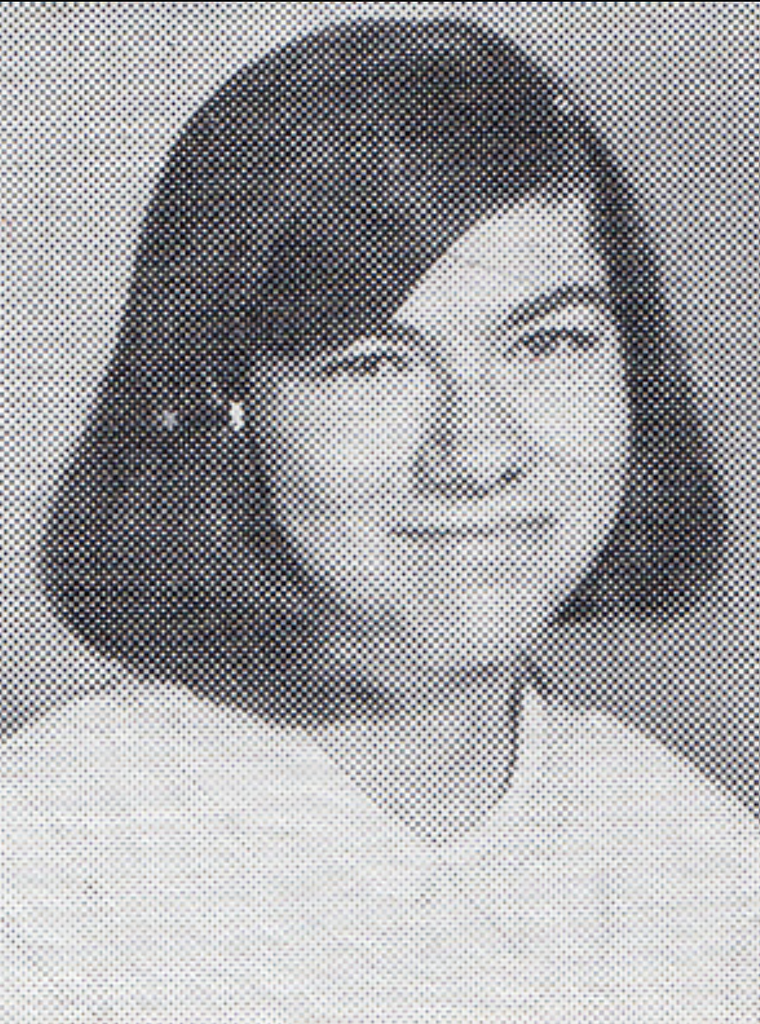
(Source: Moscow High School – Class of ’67)
After high school, Hallie studied at Reed College in Portland, Oregon, before moving to Seattle to pursue graduate studies in architecture at the University of Washington. By the spring of 1975, Hallie was 25 and only two terms away from completing her master’s degree. Her research focused on designing quality low‑income housing. Those who knew her remembered her as strong-willed, athletic, and exceptionally intelligent. She lived in an apartment on Eastlake Avenue East with a roommate and drove a white 1965 Ford Fairlane 500 station wagon.
Hallie’s Disappearance
On Tuesday 29th April 1975, Hallie spent part of the day working as a researcher for a real estate firm before heading to campus. She spoke to her boyfriend that day and told him she planned to visit him after her class that night. She also mentioned that she intended to see her sister later in the evening.
Between 9:30 pm and 9:45 pm, a fellow architecture student saw Hallie in the basement studio of the UW architecture building. She was wearing her raincoat and speaking on the phone. When the student passed by again roughly ten minutes later, Hallie was gone. Her workspace showed no sign of disturbance. To reach her car, she would have walked along a dimly lit path bordered by dense evergreen bushes.
She did not arrive at her boyfriend’s home or her sister’s apartment.
Discovery of Hallie’s Body and Vehicle
In the early hours of Wednesday 30th April, at around 2:40 am, firefighters were called to a vehicle fire in Seattle’s Sodo district. The vehicle appeared to have been doused with a flammable liquid and set alight. After extinguishing the blaze, investigators checked the vehicle identification number and confirmed the burned station wagon was Hallie’s white Ford.
Later that same day, at around 12:15 pm, a passerby exercising on his lunch break discovered the body of a young woman in a dense patch of blackberry bushes in a parking lot beneath the I‑5 freeway at 1303 Roy Street in South Lake Union. She was lying face up, dressed in a handmade striped dress and a light olive coat. Her clothing was disturbed: the nylon on her left leg had slipped down to her ankle, her left shoe was caught in the stocking, and her right foot was bare. She was not wearing underwear. Officers also noted three small cuts in her coat and a trace of blood on the upper part of her left foot. She carried no purse, jewellery, or identification.
Several alcoholic drink containers were scattered around the area, along with pieces of broken glass and a blue towel. The bottles were collected and tested for fingerprints. The victim appeared clean and neatly presented, with unpolished fingernails and little to no makeup. The body showed lividity inconsistent with the position in which she was found, suggesting she had been lying in a different position before being moved. Detectives concluded she had been killed elsewhere and left at the Roy Street location.
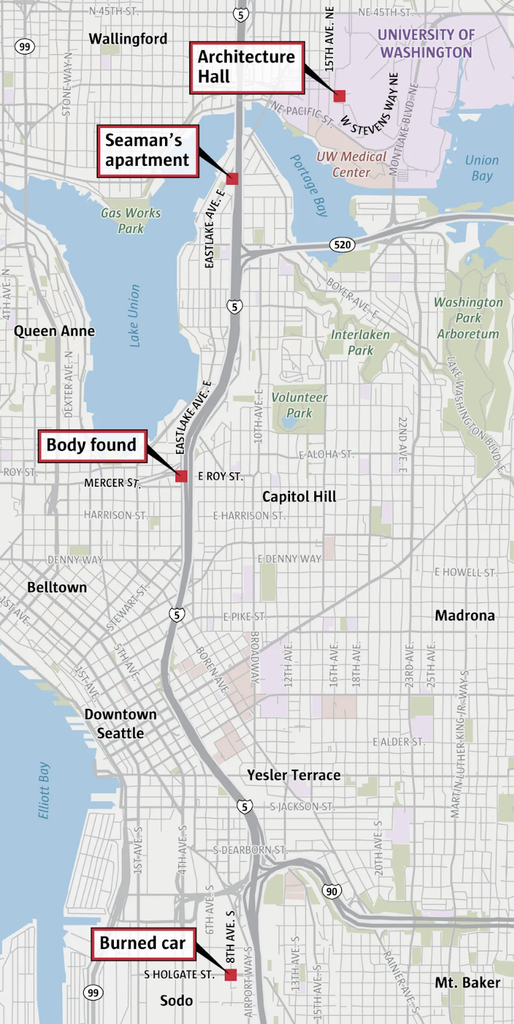
(Source: The Seattle Times)
She was not immediately identified. After her family filed a missing‑person report on 2nd May, detectives compared the details in the report with the information from the Roy Street scene, and Hallie was subsequently identified. Later that day Hallie’s sister and boyfriend identified the body at the King County Morgue.
Autopsy Findings and Early Investigation
The medical examiner determined that Hallie had been stabbed eleven or twelve times. Hallie had fought back, sustaining extensive defensive injuries to her arms. Two wounds were located on the left side of her abdomen, and the fatal injuries were on her right side, where the blade pierced her kidney and severed her aorta. The knife used was estimated to be between two and a half and three inches long.
An early police scene report noted that Hallie appeared to be approximately five to six months pregnant. However, I have found no later medical or contemporary reporting that independently confirms the pregnancy, so it remains an observation recorded at the scene rather than an established autopsy finding.
The examiner noted bruising on both legs and two shallow cuts, each around an inch and a half long, on the lower part of her right leg. Only a small amount of blood was found beneath her body — a few droplets on nearby leaves — which supported investigators’ belief that she had been killed elsewhere and moved to the Roy Street location. Rigor mortis indicated she had been dead for roughly twelve hours when she was discovered.
Later reporting described Hallie as having been sexually assaulted. The surviving police laboratory record also documents seminal evidence: vaginal swabs tested positive for seminal stains, and microscopic examination confirmed intact human spermatozoa. Hallie’s boyfriend told investigators that the last time he had intercourse with her was on Saturday 26th April, three days before she disappeared.
Seattle Police Department detectives Bennie DePalmo, Wayne Dorman, and Don Strunk led an extensive investigation, generating a list of more than 120 potential suspects. But despite the scale of the investigation, no suspect was identified, and the case remained unsolved for decades.
Cold Case and DNA Breakthrough
In 2002, preserved evidence from Hallie’s autopsy was submitted to the Washington State Patrol Crime Lab, where testing produced a male DNA profile. The profile was entered into CODIS, but there was no match.
In 2019, Washington changed its DNA law, allowing DNA from certain deceased offenders to be entered into CODIS regardless of when they had been convicted. Convicted murderer Charles Rodman Campbell, who had been executed in 1994, subsequently had his DNA submitted to the database.
In August 2023, Seattle Police Detective Rolf Norton, who was now leading the investigation, was notified that a CODIS hit had linked Campbell to the male DNA profile recovered in Hallie’s case. Campbell’s name had never appeared on the original list of suspects in 1975.
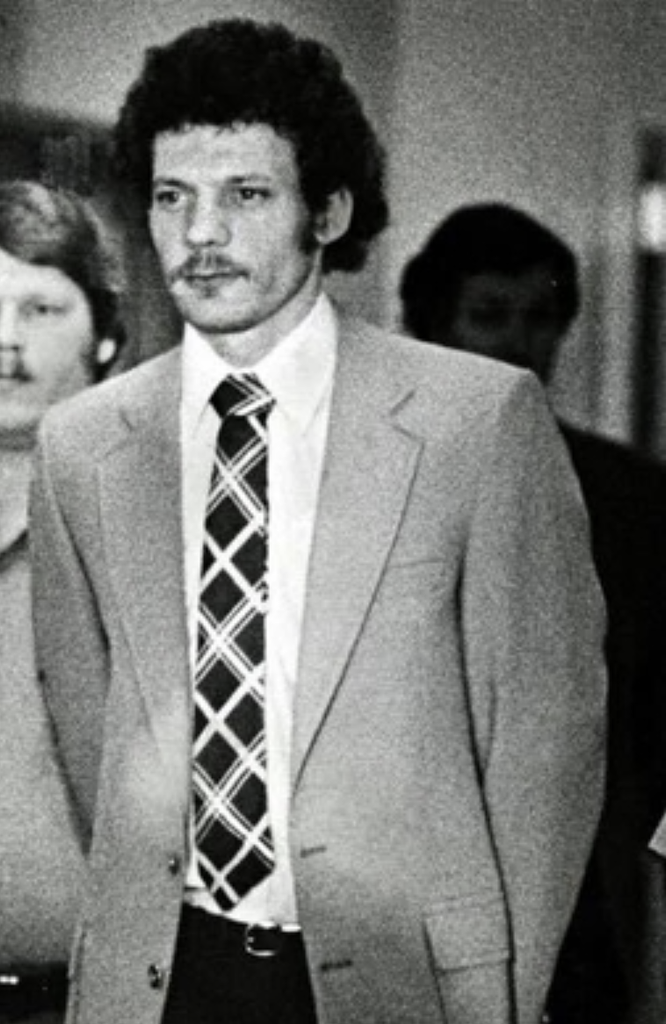
Campbell’s criminal history was extensive. In December 1974 — four months before Hallie’s murder — he assaulted Renae Wicklund in Clearview while threatening her infant daughter. Campbell was arrested for the assault in 1976 and later convicted after Renae testified against him. While he was on the run between the assault and his arrest, he murdered Hallie in April 1975.
In April 1982, while on work release, Campbell returned to Clearview and murdered Renae Wicklund in revenge for her testimony against him. He also murdered her eight-year-old daughter Shannah, and their neighbour Barbara Hendrickson, who had also testified against him. He was convicted of three counts of aggravated first-degree murder and executed by hanging at the Washington State Penitentiary in May 1994. He remains the last person executed by hanging in Washington State. (You can read about Campbell’s case here.)
Although Campbell could not be prosecuted posthumously, the DNA match finally identified Hallie’s killer and brought an end to a case that had remained unresolved for nearly fifty years.
Legacy
Hallie Ann Seaman was a gifted young architecture student whose work centred on improving housing for underserved communities. The identification of her killer, nearly fifty years later, provides long-delayed clarity for her family and acknowledges not only the life that was cut short in 1975, but the future Hallie was preparing for.
Sources
Another Bundy Blog | Hallie Ann Seaman
Moscow High School | Hallie Seaman
Seattle Times | A UW student was murdered in 1975. Her killer was never known — until now
ⓘ If you or someone you know has been affected by the issues raised in this article, support is available. You don’t have to carry it alone. Find free, confidential helplines and guidance on the Help & Support page.