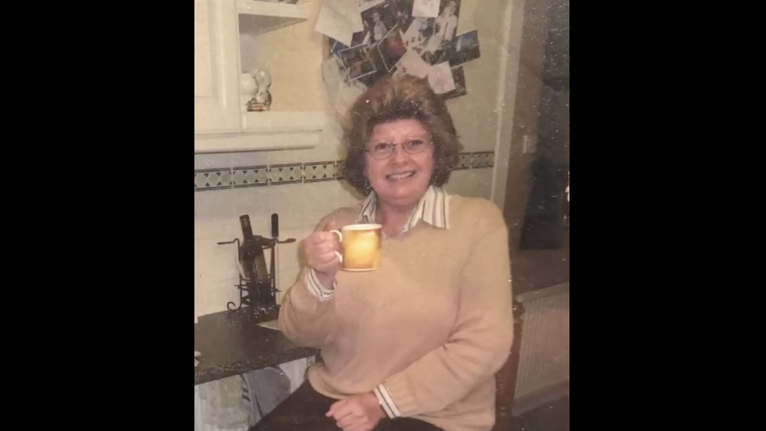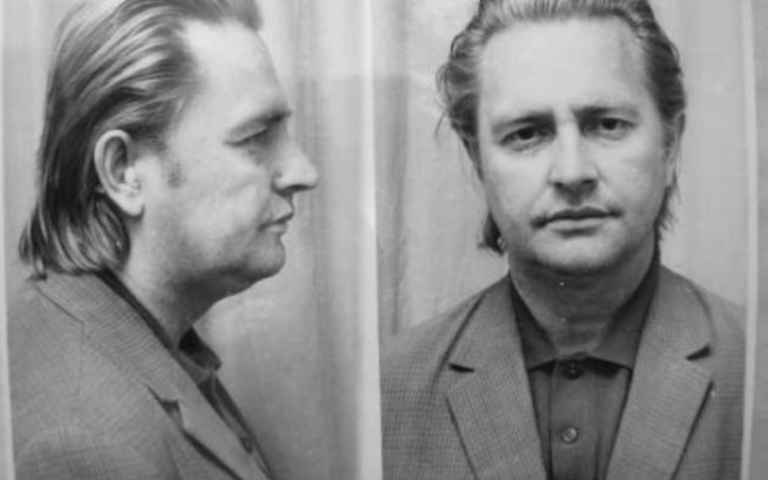
The Lin family were murdered while they slept, wiped out in a single night by someone they trusted. What unfolded inside that home would shock Australia and become one of the most devastating family tragedies the country had ever seen.
⚠️ This article contains descriptions of violent or distressing events. Reader discretion is advised.
Background: Before Everything Changed
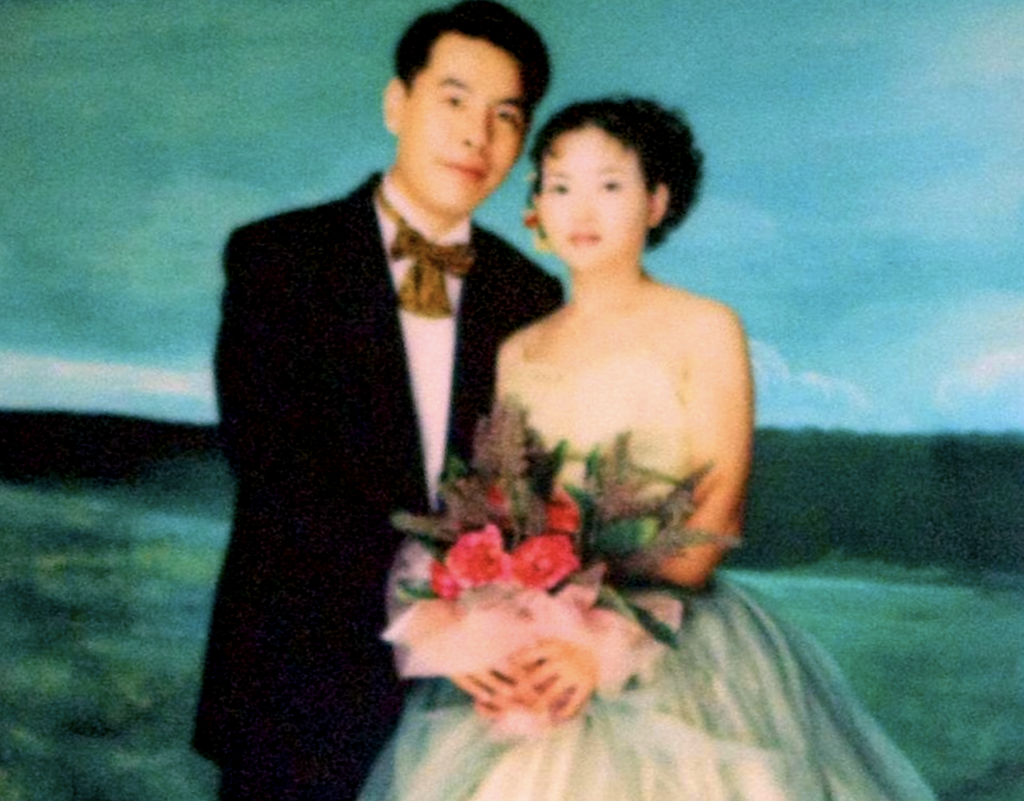
In 2009, the Lin family was the kind of steady, middle‑class household you could find in any Sydney suburb. Min Lin, 45, and his wife Lily, 44, had met after moving from China to Australia following their studies. They married in 1995 and built a comfortable life together in a large, modern home on Boundary Road in North Epping. Purchased in 2001, the property was valued at more than $1 million by the time of this case.
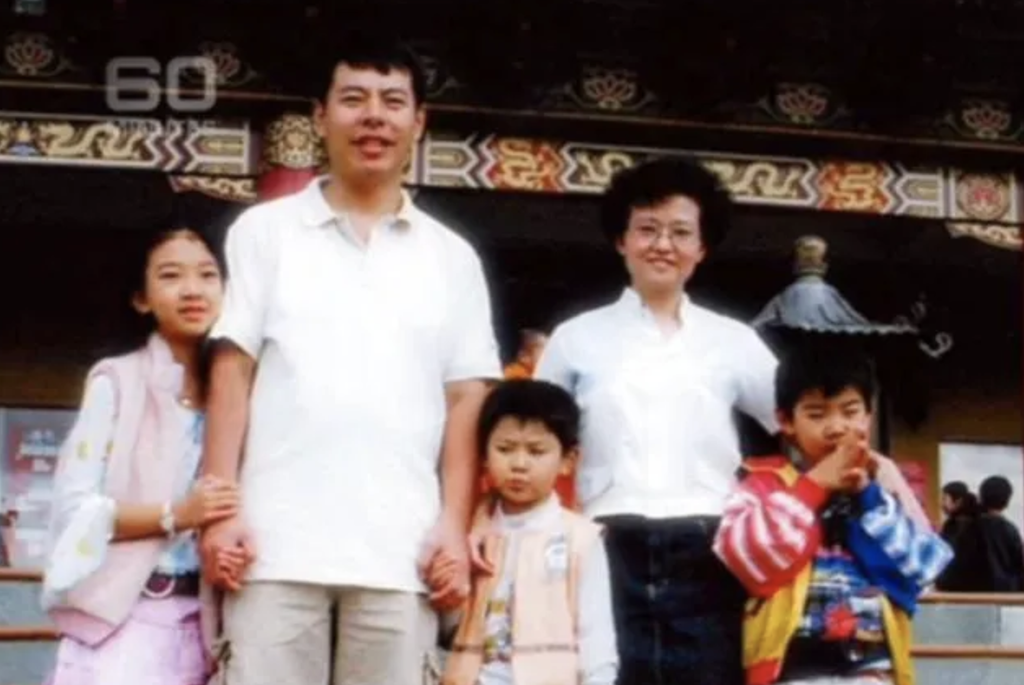
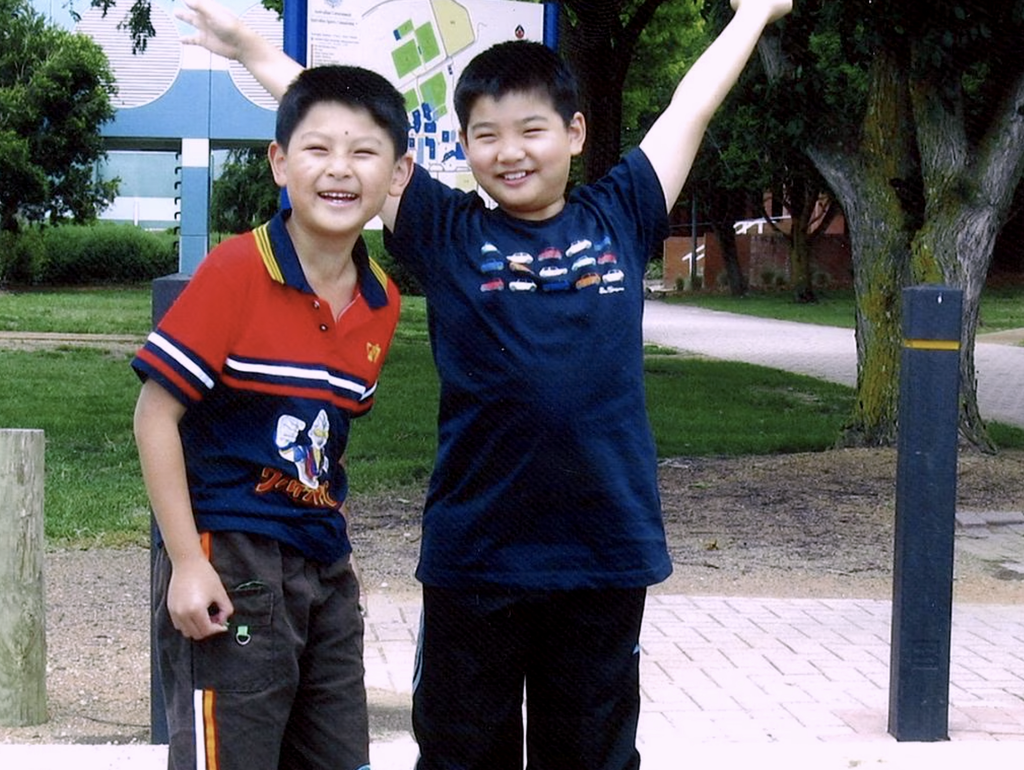
It was a busy household. Min and Lily were raising three children — Brenda, 15, Henry, 12, and Terry, 9. Lily’s younger sister, 39-year-old Irene, lived with them as well. She had arrived in Australia in 2008 on a student visa to study at Macquarie University, and she split her time between her coursework and working part‑time at the family business.
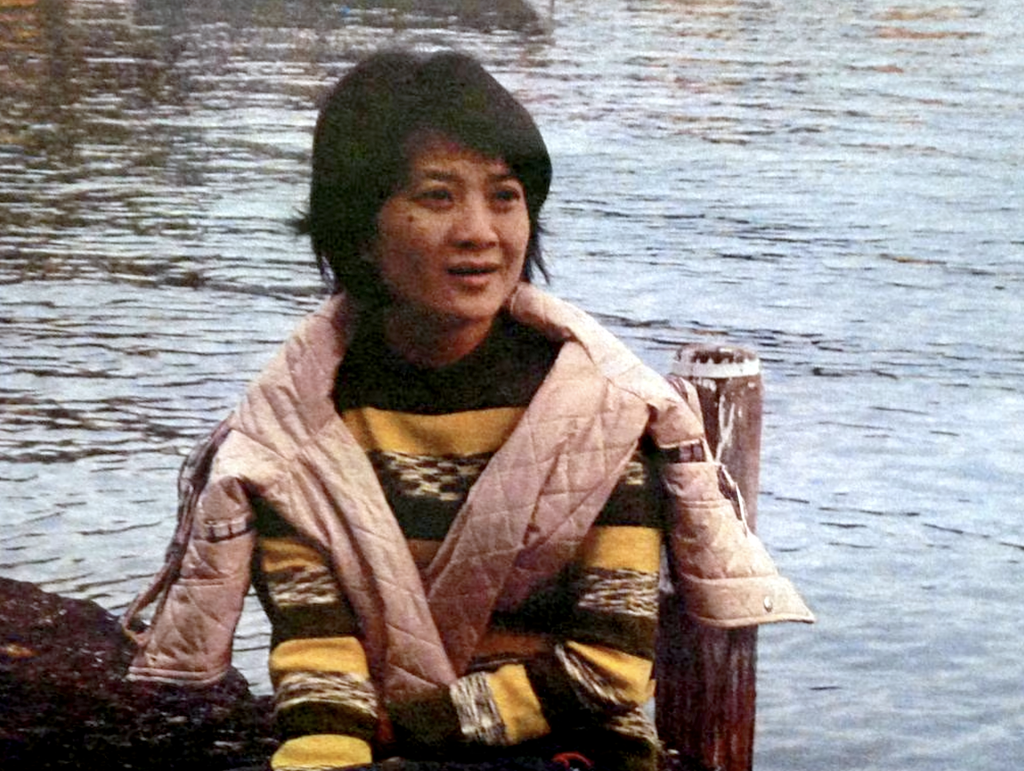
Just 300 metres down the road on Beck Street lived Min’s younger sister Kathy, 40, her husband Robert Xie, 45, and their nine‑year‑old son.
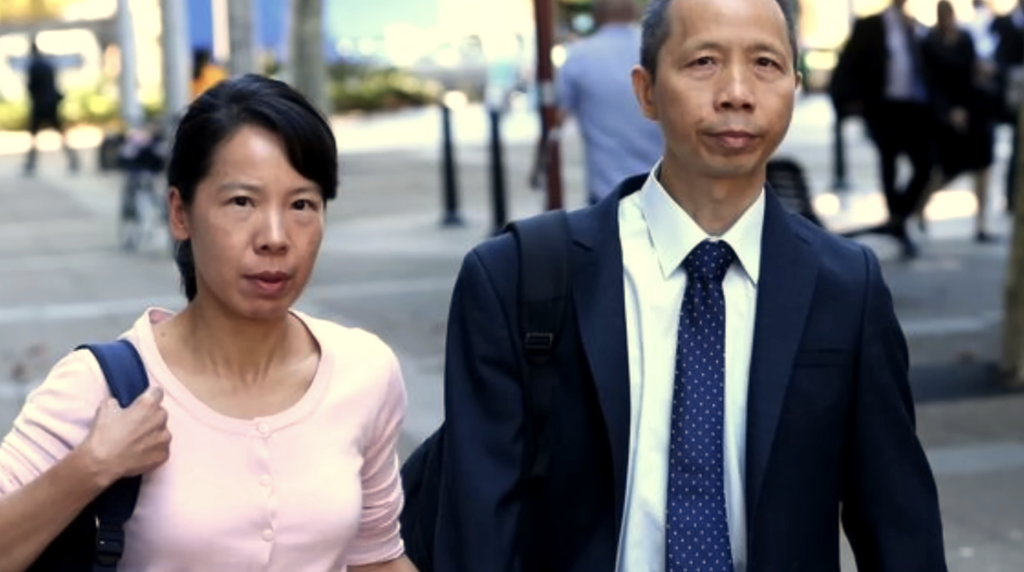
The couple immigrated to Australia in 1999. Robert had previously worked as an ear, nose and throat (ENT) surgeon in China, but after arriving in Australia, he did not return to medical practice. The couple initially settled in Melbourne and tried running a restaurant, but after the business failed, they moved to Sydney in 2005. The move was also partly driven by their son, who had been living in Sydney with his grandparents, Yang Fei Lin and Feng Quin Zhu, and had struggled adapting to school.
By 2009, Robert remained unemployed, and the household had faced ongoing financial difficulties. In contrast, the Lin family ran a thriving business: the Epping Central Newsagency on Rawson Street. Min and Lily worked there together, and the shop had an annual turnover of more than $1 million. Their success meant they could support extended family too, including buying Min and Kathy’s parents, Yang Fei Lin and Feng Quin Zhu, a home in Merrylands, about half an hour away.
The three households were closely involved in each other’s routines, and Friday night dinners at the grandparents’ home in Merrylands were a long‑standing tradition. On Friday, 17th July 2009, they met for their usual weekly meal. Robert drove Kathy and their son, as well as Henry and Terry Lin. Min arrived separately as he was working late at the newsagency. Lily and Irene did not attend the dinner but stayed at their Boundary Road home that night, while Brenda was overseas in New Caledonia on a school trip for her French class.
It was an ordinary family occasion. However, it was also the last meal the three families would ever share together.
The Night of the Murders
Min left the family dinner in Merrylands at around 9:00 pm. His sons, Henry and Terry, arrived home about an hour later, around 10:15 pm, after being dropped off by Robert and Kathy. The Lin household settled down for the night, and computer activity inside the home ceased shortly after midnight.

Sometime in the early hours of Saturday, 18th July 2009, between 2 am and 5 am, an intruder approached the Lin family home. The main power board, located on the side of the house, was switched off, making it easier for the attacker to move through the house unnoticed. There were no signs of forced entry, and the killer used a key to gain access. The intruder went upstairs to the bedrooms and bludgeoned the family to death.
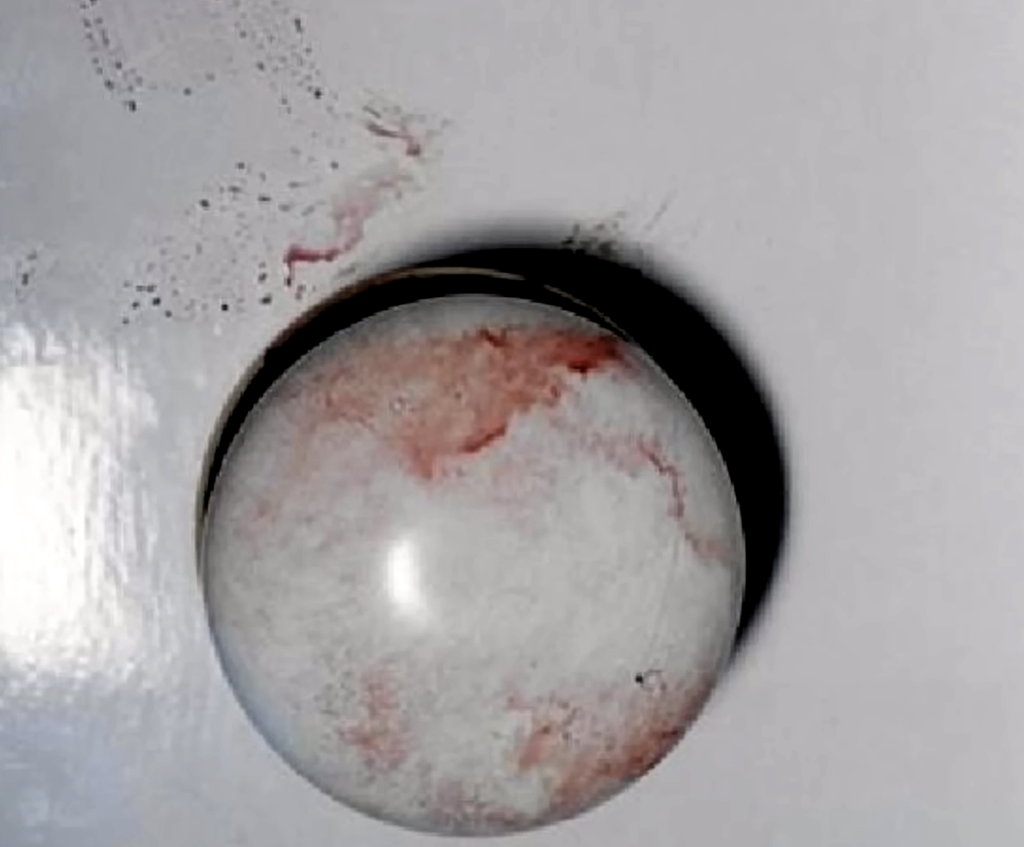
Min and Lily were attacked first. Lily was found lying on her back on top of the sheets in her blood‑soaked bed. She had been struck at least five times to the face and head with a hammer‑like weapon. Her hyoid bone was fractured, and the post-mortem examination found that asphyxial injuries contributed to her death. Blood pattern analysis showed her body had been moved after she was fatally injured, with her head positioned over the side of the mattress so blood pooled on the carpet below. She had defensive injuries, suggesting she may have been awake and tried to protect herself when the attack began. There was no evidence of sexual assault.
Min was found in the bed beside his wife, covered by bedclothes. He had sustained severe blunt‑force injuries to his face and head, similar to Lily’s. Blood pattern evidence indicated he was also attacked within the confines of the bed and that his body was moved afterwards, with his head angled off the mattress at the bedhead before being completely covered by the sheets. Asphyxial injuries were again a contributing factor.
The weapon used throughout the attacks was a hammer‑like object. Forensic examiners concluded that the handle had been wrapped with rope, likely looped around the killer’s hand or wrist to prevent them from losing control of it. During the attack on Min and Lily, the rope appears to have come loose. When the killer moved into Irene’s bedroom next, the rope was hanging free.
Irene was found lying on her back in her bed. Eight rope‑pattern impressions were identified in the blood smeared on the wall beside her, showing the killer swung the weapon at least eight times. Four of those blows struck her. Her body had also been moved after the attack, with her legs positioned over the side of the bed. There was no evidence of sexual assault.
The killer then went to the boys’ shared bedroom. Henry and Terry were found on the blood‑soaked carpet near heavily blood‑stained bedding. Both sustained blunt‑force head injuries and asphyxial injuries. Terry had at least six blows to the side and back of his head; Henry had at least three. Blood pattern evidence showed both boys were aware of the attacker’s presence. Henry was upright at one point during the assault, and Terry attempted to fight back. The autopsy findings suggested that Terry may have survived for between one and two hours after the fatal injuries were inflicted.
Blood was found on all of the upstairs bedroom door handles except Brenda’s. The absence of blood smears and shoe impressions at her door indicates the killer did not attempt to enter her room and likely knew Brenda was overseas on a school trip.
With the family dead, the killer left the house as quietly as they had arrived. The lack of blood in the rest of the home, combined with an intimate knowledge of the family’s schedule and the building’s layout, pointed to an unsettling conclusion: the killer was someone the Lin family knew.
The Horrifying Discovery
A little after dawn on Saturday, it became obvious something was wrong when Min hadn’t arrived at the newsagency. He was known to work long hours, and not turning up was completely out of character. The newspapers had been delivered as usual, but the bundles were still sitting outside the front door, piling up untouched. An employee who was meant to meet Min at 6:35 am found the shop closed and empty. He tried calling Min three times, but there was no answer.

Later that morning, customers and neighbouring shop owners were concerned. The owner of the Epping Fruit Market, located nearby, obtained Min’s mobile number from the real estate agent and tried calling him at around 9:32 am. When that call also went unanswered, he phoned Min’s sister, Kathy.
When Kathy heard the news, she tried calling Min. When she couldn’t reach him, she and Robert drove straight to the Boundary Road house with their nine‑year‑old son, arriving within minutes. They told their son to stay in the car and knocked loudly on the front door. When no one answered, they went inside.
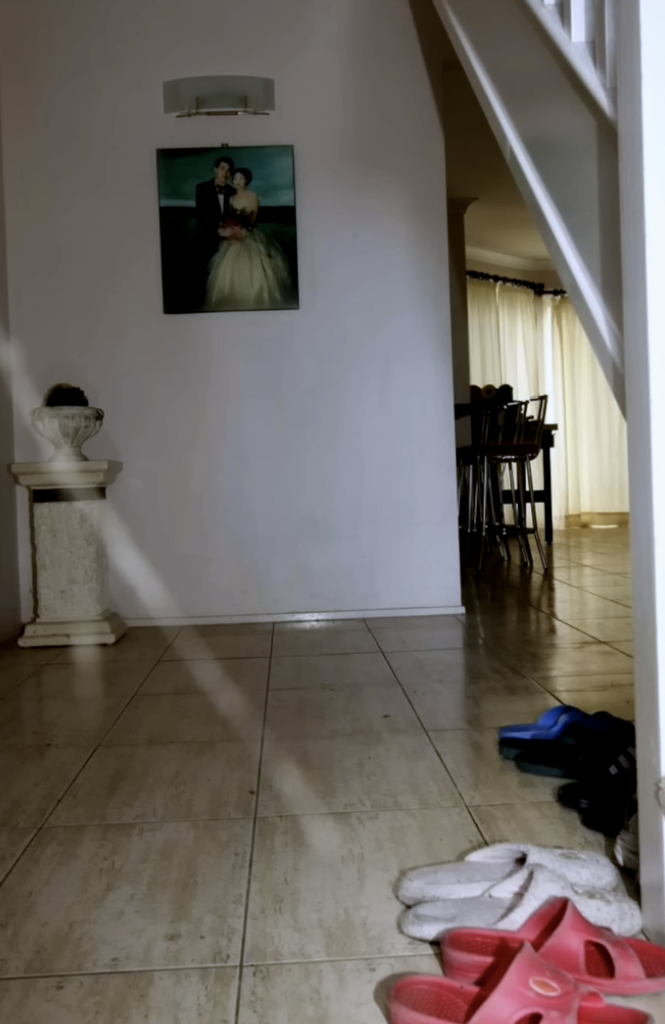
The downstairs area looked normal, with no signs of a break in, and the family’s shoes were still sitting by the front door. But as they climbed the stairs, the house grew darker and unnervingly quiet.
At the top of the stairs, Kathy went straight to the master bedroom. The room was dim, and she couldn’t see anything at first. Robert reached from behind, put his arm around her, and told her not to look. When she turned to her right, she saw Lily lying on a blood-soaked bed, with blood splattered across the wall. From where they were standing, neither of them could have seen Min — his body was hidden under the bedcovers and not visible from the doorway.
Kathy moved quickly to the next bedroom. She pushed open the closed door and was met with another nightmare: Lily’s sister Irene, lifeless on the bed, surrounded by blood. Kathy rushed to the boys’ room. There, on the blood-soaked carpet by the wardrobe, lay her young nephews, Henry and Terry. Robert stayed close behind her but did not check whether any of the children were alive, despite his medical training.
Shaken and terrified, Kathy grabbed her phone and called 000. The first call connected at 9:47 am. She tried to explain to the operator what she had seen, her voice shaking, and near the end of the call, she told Robert to take their son home and come straight back. In those first moments, she was still in shock, trying to be practical — their son was waiting in the car outside, and she didn’t want him anywhere near the scene.
But when Kathy called 000 again a few minutes later, her panic had set in, and the reality of what she had seen upstairs was sinking in. She became increasingly distressed, switching between English and Cantonese as she tried to describe the blood and the bodies. In the background, Robert can be heard responding to her. As the call continued, Kathy began yelling after him, begging him not to leave her after all, crying out, “I’m more scared than you.” She followed him down the driveway while still on the phone, pleading with him to stay, but a car engine is heard on the recording — Robert drove off during the call, potentially leaving her alone with an active killer.
A third call was made at 9:54 am. Kathy stayed on the line until the police arrived.
While Kathy remained at the house, Robert drove their son home and then headed toward Merrylands to collect her parents. Moments earlier, he had phoned them, telling them only that “something terrible” had happened, without explaining what he and Kathy had found inside the Boundary Road home.
Senior Constable Kirby and Constable Levins arrived around 10:00 am. They stepped into a scene of extreme violence. Four bodies were visible across three bedrooms. Min’s body, however, was not. Because he was covered head‑to‑toe by a heavy doona, the first‑responding officers missed him entirely. They initially believed Min had killed his family and fled.
For the next four hours, the police had no idea where Min was. And remarkably, neither did Kathy. While she suspected her brother might be dead inside the house — his van was out front, his watch was on the kitchen bench, and there was blood sprayed on his side of the bedroom wall — she was still trapped between horrific suspicion and desperate hope. Her phone records show this clearly. At 10:12 am, and again at 1:45 pm while sitting in Hornsby Hospital, Kathy dialled Min’s mobile number, praying he would answer.
But around 1:45 pm, everything changed. Two detectives, working with a Cantonese interpreter, approached Kathy and Robert at the hospital and asked her if she had any idea where Min could be. Kathy’s uncertainty vanished. She looked directly at the detectives, as if the answer was completely obvious:
“He’s in the bed in the house,” she said. “There’s a lump in the bed where he sleeps. I went to the room, I saw the blood and the lump. I went to pull the cover down, but my husband pulled me out and said, ‘No, don’t look.’”
Acting immediately on Kathy’s information, police at the house walked into the master bedroom and pulled back the doona at 2:00 pm. Min Lin was exactly where she said he would be.
Brenda, still overseas on her school trip, learned about the murders in the worst possible way. She logged onto Facebook and saw a link sent by a friend. It was a news article showing her home and reporting that her family had been killed. Her school arranged the first flight home. Brenda didn’t believe it at first, but when she arrived at the airport and saw her aunt Kathy crying as she waited for her, she knew it was real.
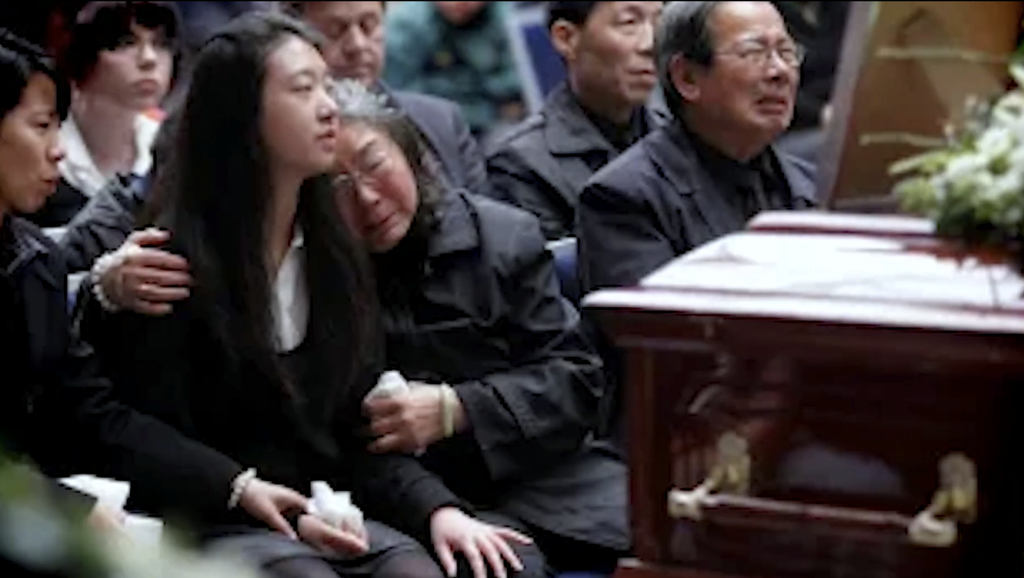
She was just fifteen years old when she lost her parents, her two brothers, and her aunt in a single night. Unable to return to her home, she went to live with Kathy and Robert in their Beck Street house. What Brenda didn’t know — and what no one yet realised — was that she was now living under the same roof as the killer: Robert Xie.
The Investigation
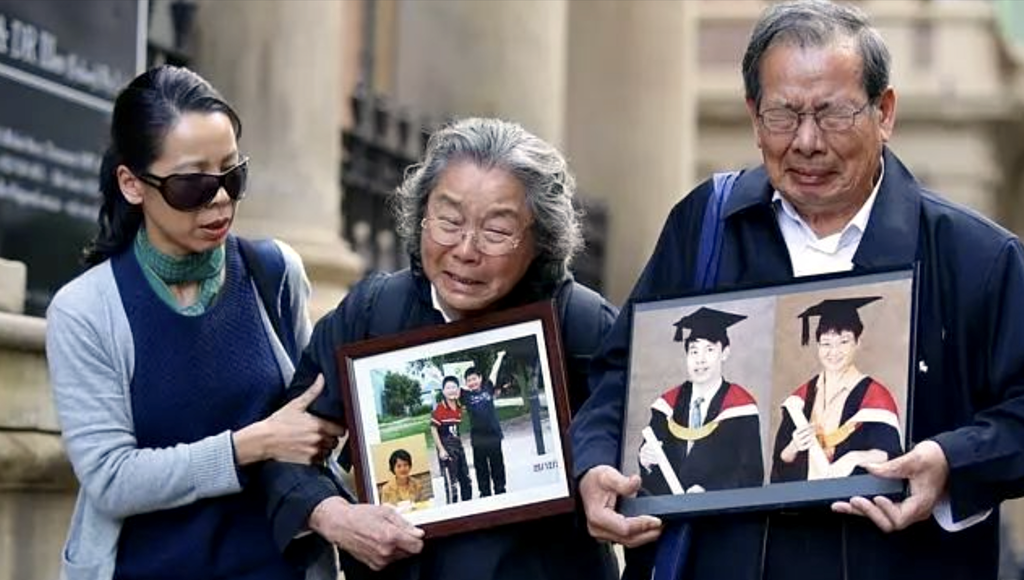
Ten days after the murders, on 29th July 2009, Kathy and Robert stood before the media and pleaded for information about what had happened to the Lin family. Robert appeared to many to be the distraught, devoted uncle. But over the next two years, New South Wales Police carried out a lengthy investigation and grew increasingly suspicious of his behaviour.
One detail stood out early. Within an hour of the bodies being discovered, at a time when the police still believed Min might have killed his family and fled, Robert told the grandparents, “At most, we could take Brenda as our adopted daughter.” Min’s body would not be found for almost four more hours, yet Robert was already speaking as though Brenda had no parents left.
Police also noted that Robert and Kathy took over the running of the newsagency within weeks of the murders. Detective Sergeant Maree, the officer in charge of the investigation, later told the court that Robert became the focus of the investigation because he was seeking custody of Brenda and had involved himself in the estate of Min and Lily Lin.
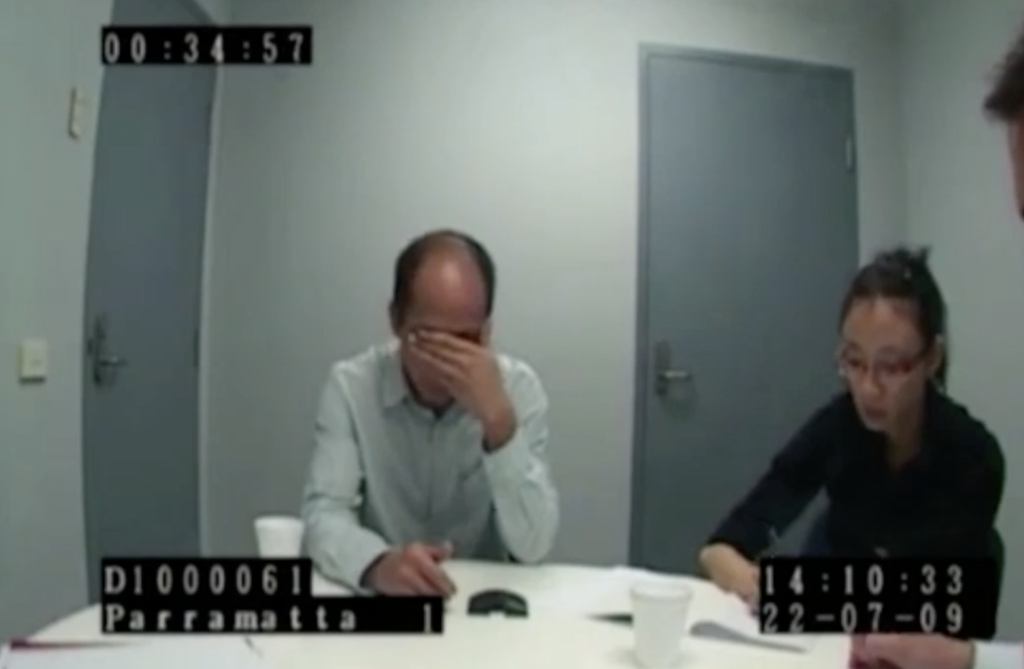
During these early stages, police interviewed Robert several times. Officers described him as flustered, fidgety, and prone to crying, often holding his head in his hands. His behaviour struck investigators as unusual for someone who claimed to be desperate to help find the killer.
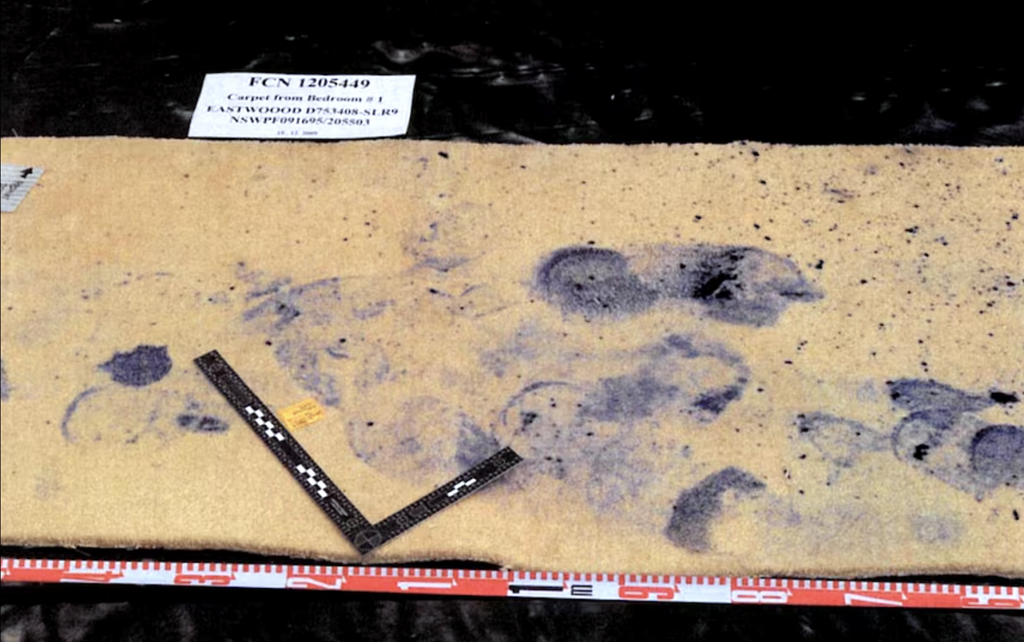
In the days after the murders, forensic analysts documented around forty bloody shoe impressions throughout the Lin home. Twenty‑four of them were clear enough to analyse, and all shared the same tread pattern from the ASICS brand, consistent with several men’s models in US sizes 8.5 to 10.5 — including the ASICS Gel Evation II TN333. No other relevant prints were found anywhere in the house, allowing investigators to conclude that only a single attacker was involved. Robert wore a men’s US 9.5, and police later found photographs from 2006 showing him wearing that exact model. The shoes themselves were never located.
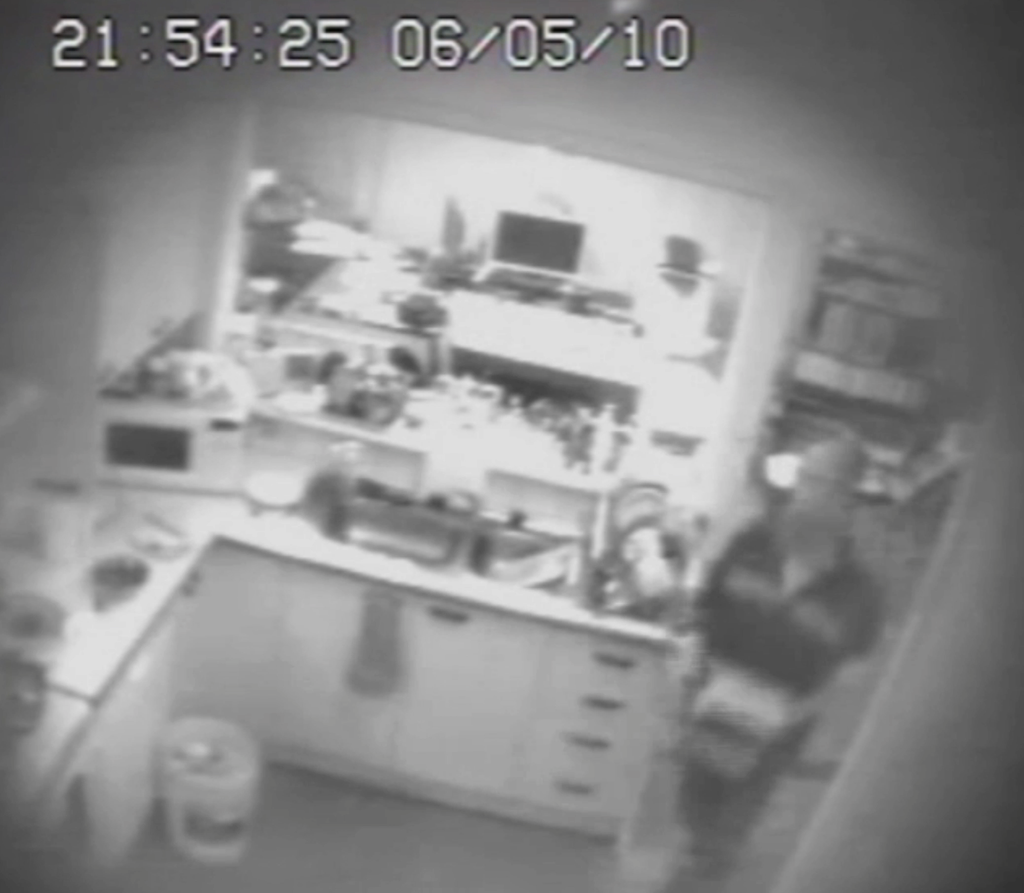
In early 2010, NSW Police applied separately to the Supreme Court for permission to install covert surveillance devices inside Robert and Kathy’s home. Officers secretly entered the Beck Street house on 19th January 2010 and installed both audio and video equipment. Recording began on 8th February, capturing hours of footage of Robert’s behaviour.
The most incriminating footage came on the night of 6th May 2010, after Kathy returned from an interview at the NSW Crime Commission. Investigators told Kathy during her interview that they believed the killer had worn ASICS shoes in Robert’s size. The timing was deliberate: police wanted to observe how Robert would react. That same night, surveillance captured him cutting up shoeboxes, soaking the pieces in water, and flushing them down the toilet.
Kathy kept the family’s shoes in their original boxes and labelled each one with a blue sticker showing the name and shoe model. When police later searched the house, they found shredded pieces of three of Robert’s stickers — including one from a box that had contained ASICS runners. The missing sticker matched the labelling system Kathy used, and the destroyed box aligned with the model police had already identified from photographs.
Robert told Kathy he destroyed the boxes because he feared being framed for the murders — an explanation she seemed to accept.
On 10th May 2010, Robert discovered several of the covert surveillance devices inside the house and tampered with them, causing them to stop working. Police responded by obtaining a search warrant and conducting a full forensic examination of the property. Late in the afternoon on 13th May, investigators found a small transfer bloodstain on the garage floor, beneath a chest of drawers — later referred to as Stain 91. In his police interview, Robert said that on the morning after the murders he had “a little bit clean up for the floor of the garage, because it was quite dirty.” The position of the stain suggested it had been missed during that cleaning.
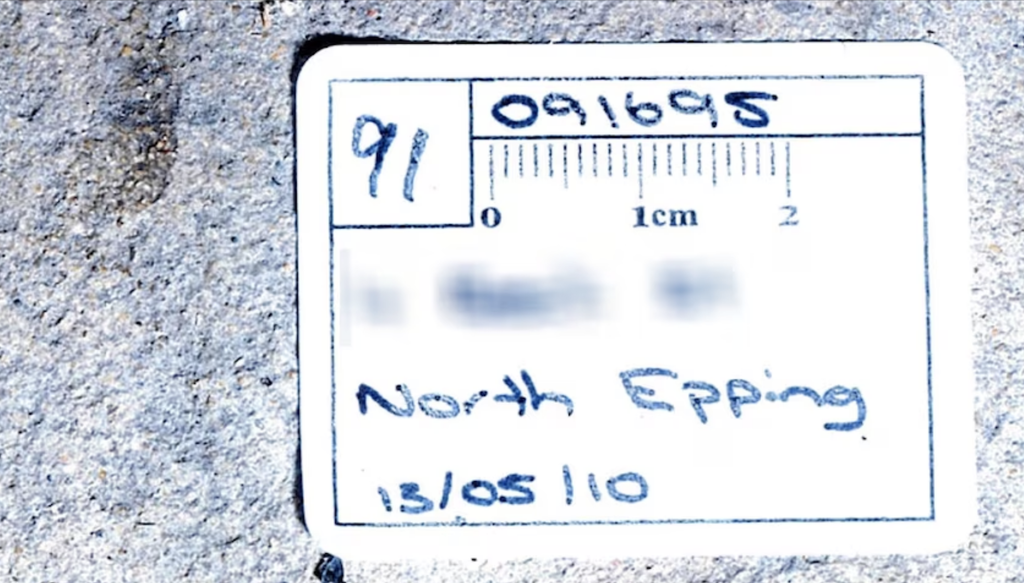
DNA testing later showed that Stain 91 contained DNA from at least three of the victims — Min, Terry, and Henry Lin — and the mixture was similar to several blood mixtures found inside the Boundary Road bedrooms.
On 11th May 2011, DS Maree arrested Robert. He was remanded in custody.
The Long Remand
While awaiting trial, Robert was housed near a fellow inmate known as Witness A. The two men formed a relationship, and in late 2011, Witness A offered investigators information about their conversations. He agreed to participate in a covert operation, during which police recorded his conversations with Robert and collected letters and notes Robert had written and given to him while in custody.
Witness A claimed that Robert made several incriminating remarks. He said Robert told him he had purchased the murder weapon — a hammer — from a $2 discount store because the store only had dummy CCTV cameras, an allegation raised in the first trial but never supported by forensic evidence. He also alleged that Robert stopped the car to dispose of “the hammer or something” when he had left the scene to drive his son home and collect Kathy’s parents.
Witness A also alleged that Robert had said he sedated Kathy on the night of the murders so she would not wake when he left the house in the early hours. He also claimed Robert talked about inventing explanations for the blood in the garage and even arranging for DNA or fingerprints to be planted on a murder weapon to implicate someone else. He further alleged that Robert had discussed planting a key to the Boundary Road home among a deceased man’s belongings to frame him for the murders.
Witness A ultimately received a reduced sentence for his cooperation.
Robert went to trial for the first time in May 2014. When the case opened, the prosecution’s theory centred on a single motive: jealousy. Prosecutors argued that Robert resented Min’s success, his standing within the extended family, and the humiliation Robert felt at being treated as less capable despite his former status as a surgeon in China. He had long felt overshadowed by Min, who owned a thriving newsagency, lived in a large home, and was widely regarded as the more successful son‑in‑law. They said Robert believed Min’s achievements had cost him face — status, respect, and social standing within the family. Although this resentment was directed at Min, the prosecution argued that Lily symbolised Min’s successful family and the status Robert felt he had lost, which they said explained why her facial injuries were the most severe.
But partway through that first trial, a second and far more disturbing motive came to light. Brenda Lin, who had lived with Robert and Kathy for two years after the murders, disclosed that Robert had shown sexual interest in her and had molested her during that period. She also revealed that he had been physically affectionate toward her even before the murders, a detail supported by a school friend who recalled Brenda hinting at sexual abuse in 2009.
Furthermore, her bedroom had been the only one left untouched on the night of the murders, and Robert had offered to adopt her within an hour of the bodies being discovered – evidence the prosecution argued proved that Robert had killed the family to gain unrestricted access to Brenda.
During the investigation, police surveillance footage had captured a moment where Robert behaved inappropriately towards Brenda inside the family home. A school principal also testified that she had once seen Robert standing uncomfortably close to Brenda, speaking to her in an aggressive tone while she cried, and that she “just knew” something wasn’t right.
Although Robert was never convicted of any offences against Brenda, the introduction of this new evidence fundamentally reshaped the prosecution’s theory. When Brenda’s allegations emerged mid‑trial, the judge ruled them admissible. But because they changed the prosecution’s case so dramatically, both prosecution and defence agreed the jury had to be discharged, and the trial collapsed.
A second trial followed in August 2014 but ended abruptly when the judge became ill. A third trial then followed in 2015, but the jury was discharged after being unable to reach a verdict. Only after this hung jury was Robert released on bail, having spent nearly five years in custody.
The Fourth and Final Trial
Finally, in June 2016, Robert Xie’s fourth and final trial began. He pleaded not guilty.
The prosecution argued that Robert had meticulously planned the murders. Although the murder weapon was never found, a folded piece of cloth soaked in Min and Lily’s blood and bound with a red rubber band was discovered in the children’s bedroom. The prosecution argued that it must have been affixed to the murder weapon and come loose during the struggle with Terry. They pointed out that the construction of this improvised weapon — a padded cloth secured with rope — was strikingly similar to a homemade massage device found in Robert’s home: a steel bolt wrapped in cloth and held together with a red rubber band. Prosecutors treated the resemblance as coincidence evidence, arguing that the similarity was unlikely to be a mere coincidence.
There was also the matter of the key the intruder had used to enter the Lin home. A locksmith examined Kathy’s spare key and found evidence that it had been used to cut another key. The prosecution argued that Robert used this duplicate to enter the Boundary Road home without detection. The electricity had been turned off before the murders, preventing the victims from turning on lights if they awoke. The killer would have needed intimate knowledge of the house to navigate in complete darkness — knowledge Robert possessed as a family member.
Finger marks in blood lacked friction ridge detail, suggesting the killer had worn gloves. To the prosecution, this was further evidence of planning rather than spontaneity.
Robert’s alibi — that he had been at home in bed when the murders occurred — also came into question. Using evidence from his conversations with Witness A, the prosecution argued that he had sedated Kathy so he could leave the house in the early hours unnoticed. Although Kathy said she would always wake if he left the bed, Brenda testified that Robert had repeatedly entered her bedroom at night to sexually assault her without Kathy waking, undermining Kathy’s claim and supporting the sedation theory.
The prosecution also pointed to Robert’s behaviour on the morning of the murders. He followed Kathy closely through the house and physically stopped her from looking into the master bedroom — behaviour prosecutors said showed he already knew what was inside. Police surveillance later captured him discussing the evidence with Kathy, rehearsing the discovery scene, and coaching both her and Brenda on what they should say to investigators. In those recordings, he warned them that police would “trick” them, emphasised which details mattered, and repeatedly blamed Min’s parents for supposedly giving false information to frame him. The prosecution argued that Robert insisted on leaving Kathy alone at the crime scene to take their son home because he knew there was no danger, and used the trip to dispose of the murder weapon — which to this day has never been found. They also pointed out his failure to check whether the children were alive, despite his medical training.
This tied into another aspect of the prosecution’s case: Robert’s medical expertise. As a former ENT specialist, he had detailed knowledge of the neck’s anatomy. All victims except Irene showed signs of neck compression. The prosecution argued Robert knew how to incapacitate quickly and quietly. A covertly recorded conversation between Robert and Witness A captured Robert demonstrating pressure‑point techniques.
One moment in Robert’s police interview became a major point of contention, with the prosecution turning the hospital interaction into one of the most damaging pillars of their circumstantial case. The prosecutor posed the rhetorical question to the jury: if Kathy was uncertain enough to keep dialling her brother’s mobile phone at 1:45 pm, what could possibly have happened in the brief minutes between that final call and her interview with detectives to make her suddenly, absolutely certain he was dead under the blankets?
The prosecution’s theory was chilling. Robert Xie knew exactly where Min was because he was the one who had placed the bedding over him. But as the hours ticked by, Robert realised the police were entirely missing the body. He needed them to find it to move the timeline forward, but he couldn’t tell them himself without instantly exposing his guilty knowledge.
The prosecution argued that Robert subtly steered Kathy in those final moments before detectives approached them at Hornsby Hospital. He used her genuine panic as a conduit, feeding the crucial information through her while he remained in the background, staring at the floor and pretending to know nothing.
This theory gained traction after Robert’s police interview in March 2010. While trying to describe his memory of the chaotic morning, he made what the prosecution called a catastrophic slip, telling the police:
“I saw Min and Lily this side.”
The prosecution labelled it his “dreadful mistake.” In that single sentence, Robert appeared to admit he had seen Min’s body on the morning of 18th July — something an innocent man could not have done, given Min was completely hidden beneath the heavy bedclothes and invisible from the doorway.
Realising the magnitude of his blunder, Robert spent the next morning frantically calling the officer in charge, attempting to ‘backtrack’ by claiming he had simply been confused under stress and meant to say he only saw four bodies. He went on to claim that he had actually told a beat cop on the street about seeing five bodies that morning. But the police department thoroughly checked, and the officer in question explicitly refuted his claim. To the prosecution, this was not confusion. It was the moment the killer accidentally showed his hand.
The defence disagreed and presented a very different interpretation of the prosecution’s evidence. They argued that it was highly improbable for a single attacker to kill all five victims, pointing to unidentified DNA, fingerprints, and shoe marks as evidence of possible multiple assailants. They said Robert’s ASICS shoes were common and that destroying the shoeboxes was panic and fear of being framed. His behaviour at the crime scene, they argued, was consistent with shock rather than guilt, and that he wasn’t feeding Kathy information as she had always believed Min might be inside the house.
They argued the prosecution had not proved that Robert ever left the house, and even if he had, there was not enough time for him to commit all five murders and return unnoticed. They also challenged the DNA evidence from Stain 91 as potentially contaminated or innocently transferred, and relied on Robert’s good character and close relationship with the Lin family.
The reliability of Witness A was also heavily contested. Under cross‑examination, his credibility began to unravel. His timeline shifted and his statements were inconsistent. The defence argued he was simply repeating “gaol talk,” backed up by the fact he had received a reduced sentence for assisting the police. The jury was left to decide whether Witness A had heard genuine admissions or had embellished conversations to help himself.
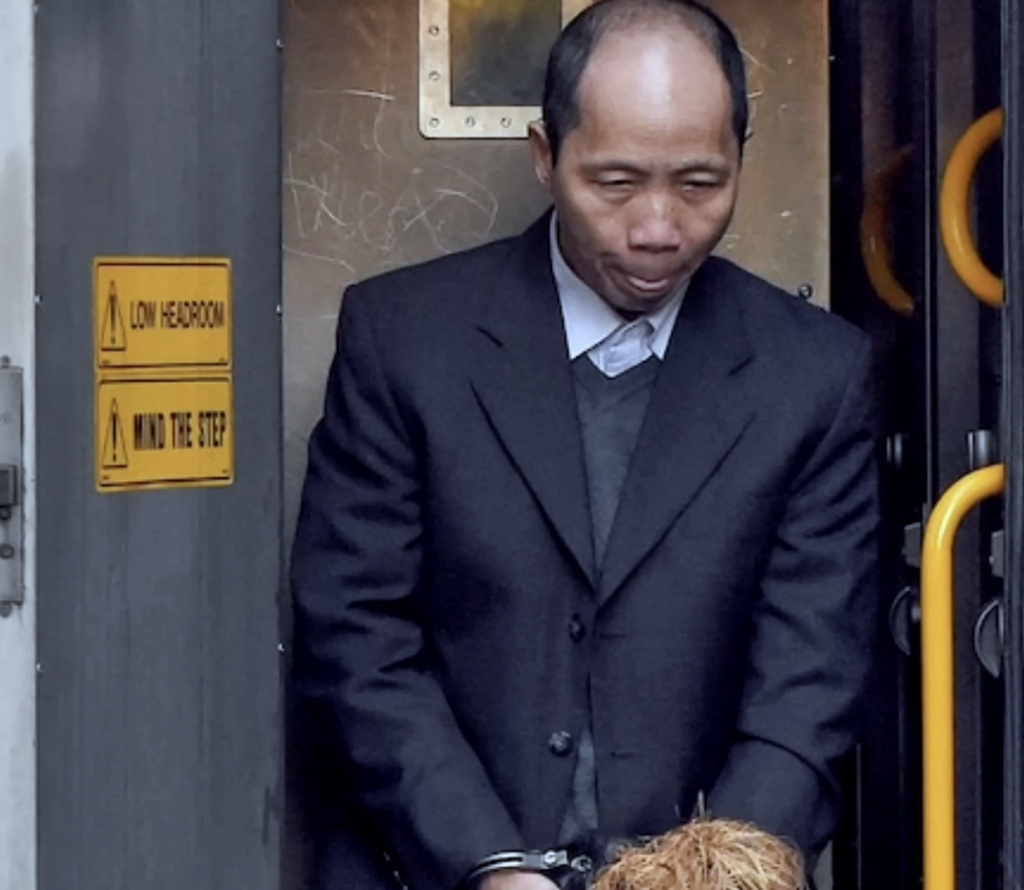
And so after a six‑month trial, the case still did not point clearly in either direction, and on 12th January 2017 the jury again failed to reach a unanimous verdict. However, under NSW law, the judge was permitted to accept a majority decision, and the jury returned 11 – 1 guilty verdicts on all five counts of murder. On 13th February 2017, Robert Xie was sentenced to five life sentences without parole.
In 2020, Robert Xie appealed his conviction, but the New South Wales Court of Criminal Appeal upheld the verdict, finding no legal error. Legally, the case is settled, but it remains one of Australia’s most debated murder prosecutions because the evidence was almost entirely circumstantial. There was no murder weapon, no confession, no eyewitness, and no CCTV. Nor was there forensic evidence directly placing him inside the Boundary Road home during the killings. The bloodstain in his garage had no timestamp and several plausible explanations.
Instead, the prosecution relied on the cumulative weight of dozens of circumstances: the duplicate key, the ASICS shoe evidence, stain 91, Robert’s behaviour before and after the murders, his relationship with Brenda, and the evidence of Witness A. None of this means Robert Xie was wrongly convicted. The prosecution’s case was that no single piece of evidence proved guilt; rather, it was the accumulation of all of it that pointed to only one reasonable conclusion. Even so, the absence of direct forensic evidence and the fact that three juries failed to reach a verdict continues to make the case a subject of enduring public debate.
Brenda’s Story
For Brenda Lin, the legal process could never undo what happened on 18th July 2009. During sentencing, the court received a written statement from her describing the devastation of losing her entire immediate family in one night. Milestones that should have been joyful, like finishing school, graduating from university, and entering adulthood, felt hollow without the people who had shaped her life. She wrote about missing the support and guidance her parents had always given her as their eldest child, and the certainty that this support would have continued. She struggled with sleep, lived with ongoing mental‑health challenges, and carried the weight of grief into every part of her life. Although she was grateful for the families who welcomed her and for the friends who stood by her, she said nothing could ever replace the love, warmth, and intimacy of her own family.

In later interviews, Brenda spoke openly about how insecure she had been as a child, and how Robert had recognised and exploited that vulnerability. Rebuilding her life was difficult, but she credits her “amazing family” — the people who took her in — for the person she is today. She has expressed deep gratitude for the community’s support during those years and has channelled her experiences into helping others. She has spoken publicly about resilience, recovery, and the importance of community, and has worked to support survivors of child sexual abuse. Brenda has channelled her experiences into advocacy, co‑founding ‘The Survivor Hub’, an organisation supporting survivors of sexual violence across Australia, and has said she wants to live the life her family would have wanted for her.
Perhaps the most heartbreaking detail is also the most ordinary. Before leaving for her school trip to New Caledonia, Brenda was embarrassed to hug her father in front of her friends. She assumed she would see him again in a few days. Years later she reflected:
“I didn’t get to say thank you for being an amazing father. I didn’t get to tell him I loved him.”
A small, ordinary moment that became unbearably significant. It is a reminder that beyond the forensic evidence, courtroom arguments, and years of legal proceedings, the Lin family were simply a family whose lives ended in an act of senseless violence. Brenda’s determination to honour their memory through the life she has built since may be the most enduring legacy to emerge from the case.
Sources
Websites
ABC News | Robert Xie trial: Lin family ‘murdered with hammer bought from $2 shop’
ABC News | Robert Xie murder trial: the evidence that helped catch a killer
ABC News | Robert Xie trial: Father-in-law criticised alleged killer, causing loss of face, court hears
Guardian | Robert Xie had sexual motive for murdering Lin family, crown alleges
News.com | Crime scene photographs reveal the Lin family bloodbath
Nine.com | Robert Xie videos: The never-before-seen evidence that helped convict a Sydney man of five murders
SBS News | Accused killer tried to grab Lin assets
Sydney Morning Herald | Due to family circumstances a nation lives bewildered
Court Documents
NSW Caselaw:
- R v Xie [2017] NSWSC 63
- R v Xie (No 23) [2016] NSWSC 1924
- Xie v R [2021] NSWCCA 1
- R v Xie (No 4) [2014] NSWSC 500
- R v Xie (No 10) [2014] NSWSC 1976
- R v Xie (No. 11) [2014] NSWSC 1977
Videos
9 News Adelaide. 19 May 2024
Sole survivor: Brenda Lin’s harrowing story of betrayal and murder | 7NEWS Spotlight (Available on YouTube)
ⓘ If you or someone you know has been affected by the issues raised in this article, support is available. You don’t have to carry it alone. Find free, confidential helplines and guidance on the Help & Support page.