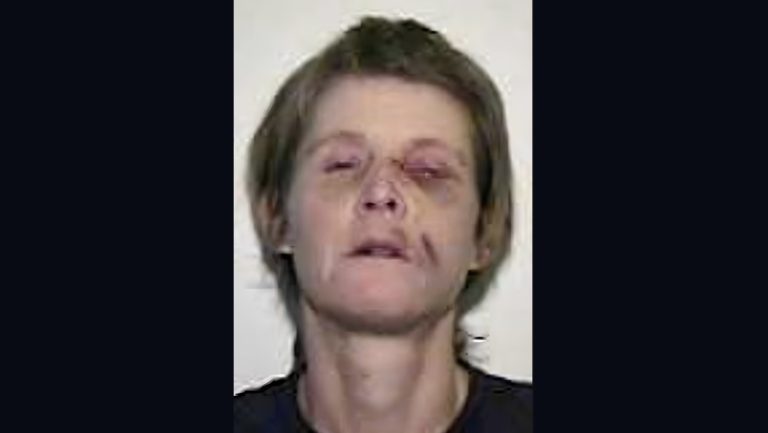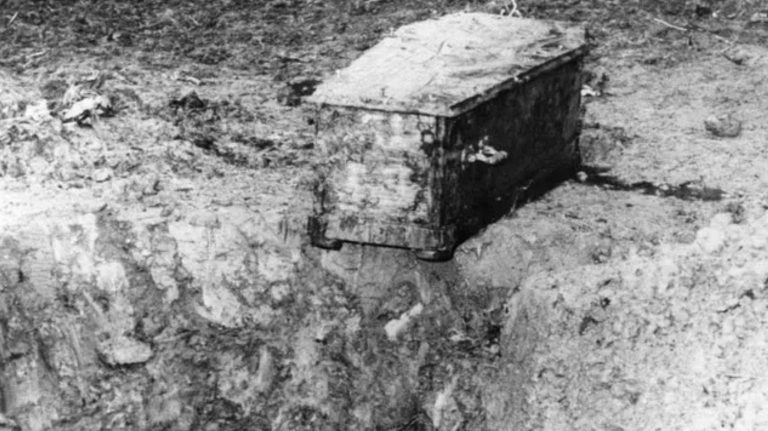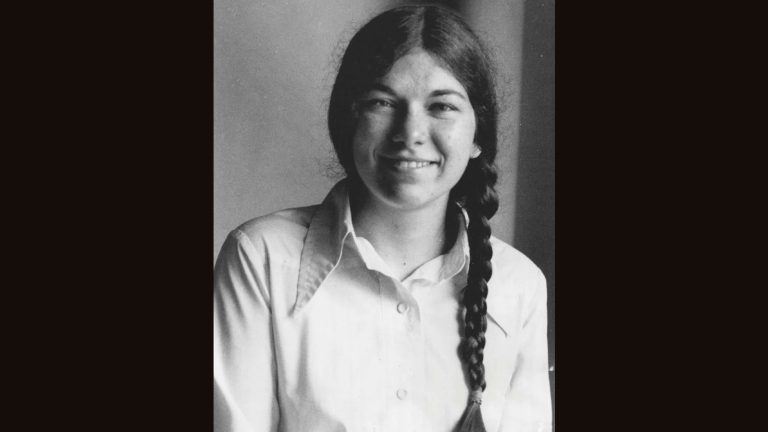
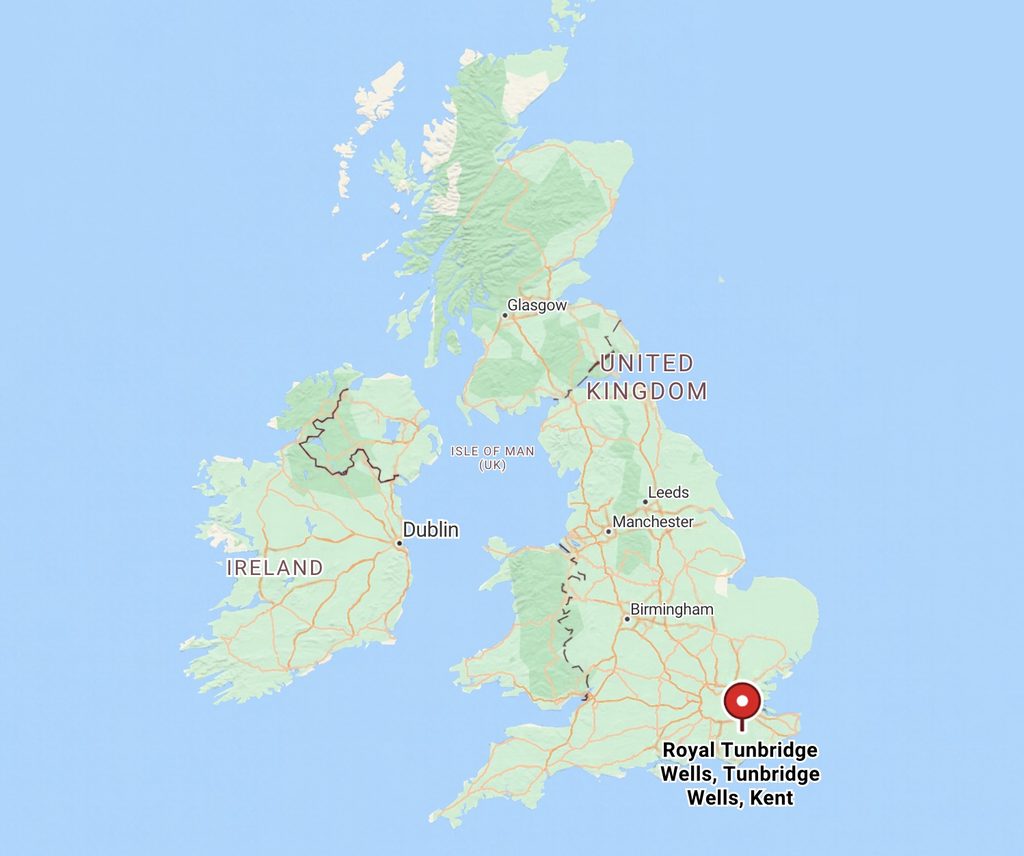
In 1987, two young women were murdered in their homes in Tunbridge Wells, Kent, just months apart. Wendy Knell and Caroline Pierce had never met, but the similarities between their deaths suggested they had been targeted by the same killer. Their cases became known as the Bedsit Murders.
For more than three decades, the murders remained unsolved. Then, in 2020, a breakthrough finally led detectives to a seemingly ordinary hospital maintenance worker named David Fuller. But as investigators began examining Fuller’s life, they uncovered evidence of crimes far beyond the two murders, revealing a disturbing history of offending that had gone undetected for decades.
⚠️ Content warning: This article contains descriptions of violent or distressing events. Reader discretion is advised.
David Fuller’s Past Crimes
David Fuller was born in 1954 and worked as an electrician and maintenance worker in Portsmouth’s naval shipyards. His criminal behaviour began at an early age, initially involving offences such as bicycle theft and arson-related property damage. However, as he grew older, his offending became increasingly intrusive.

During the 1970s, Fuller was convicted of a series of so-called ‘creeper’ burglaries, in which he entered homes through rear windows while the occupants were inside. Unlike burglaries committed against empty properties, these offences brought him into close proximity with people who were unaware that someone had entered their homes.
Despite repeatedly coming before the courts, Fuller faced relatively limited consequences. In 1973, he was charged with three domestic burglaries at Portsmouth Crown Court, with a further twenty-three offences taken into consideration. Four years later, he pleaded guilty to another burglary, and three additional offences were also taken into consideration.
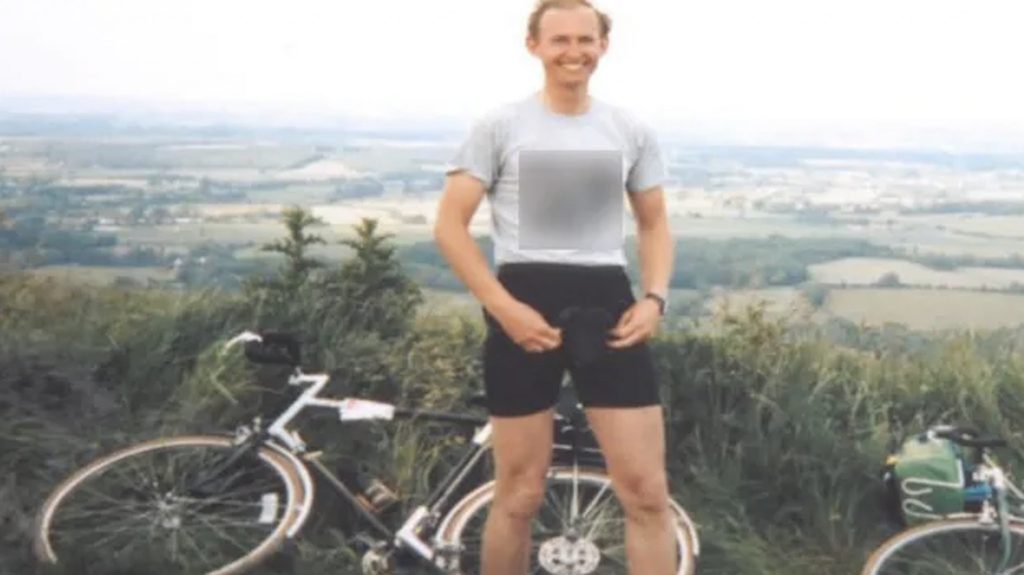
Yet Fuller was never sent to prison. Whether a custodial sentence would have changed the course of his life is impossible to know, but his repeated offending had already demonstrated a willingness to enter occupied homes without detection. By the time he committed murder in 1987, he had accumulated considerable criminal experience. It raises an uncomfortable question about whether stronger intervention during those earlier years might have prevented what followed.
The Bedsit Murders
In 1987, two women living in separate bedsits in Tunbridge Wells were murdered within months of one another. Both lived alone, and the circumstances surrounding their deaths bore disturbing similarities. The crimes would become known collectively as the ‘Bedsit Murders’.
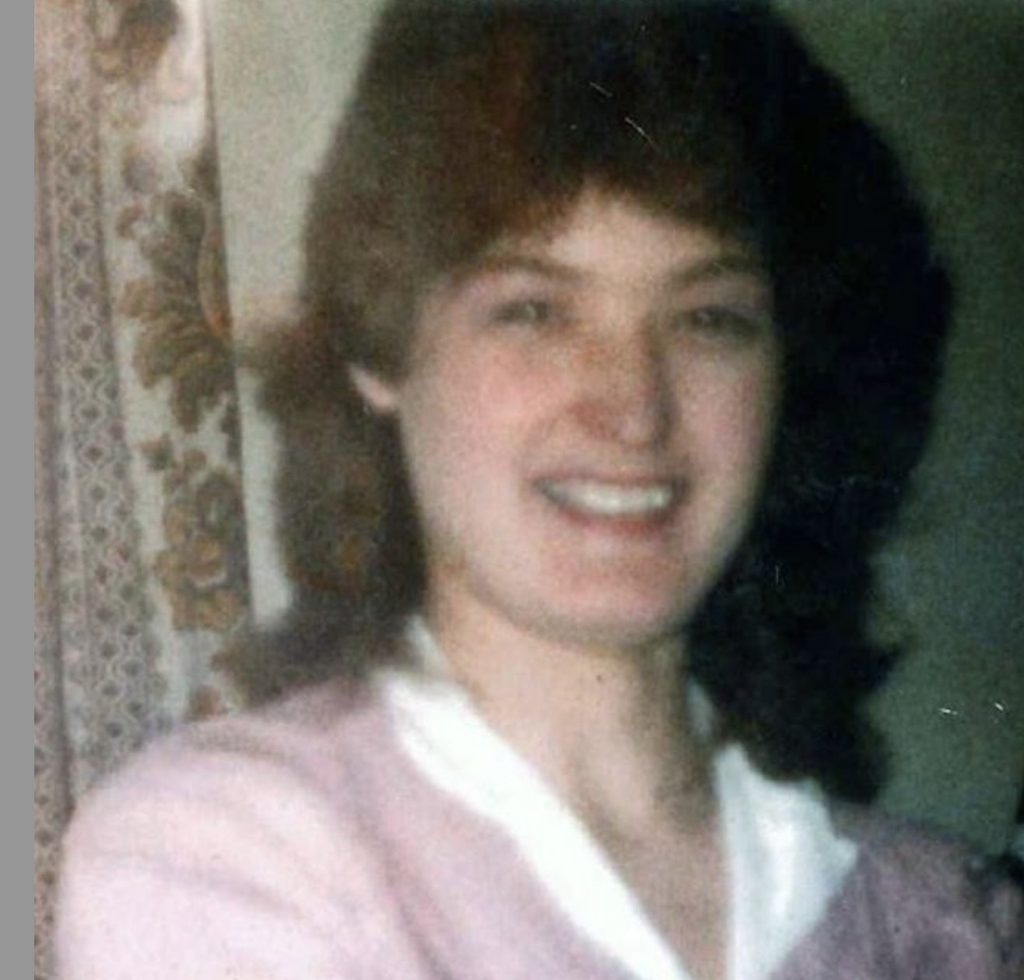
Wendy Knell
In 1987, Wendy Knell was a 25-year-old manager of a Super Snaps store in Camden. Her family described her as funny, hardworking, and trustworthy, and she was a happy, independent young woman who had built a successful life for herself.
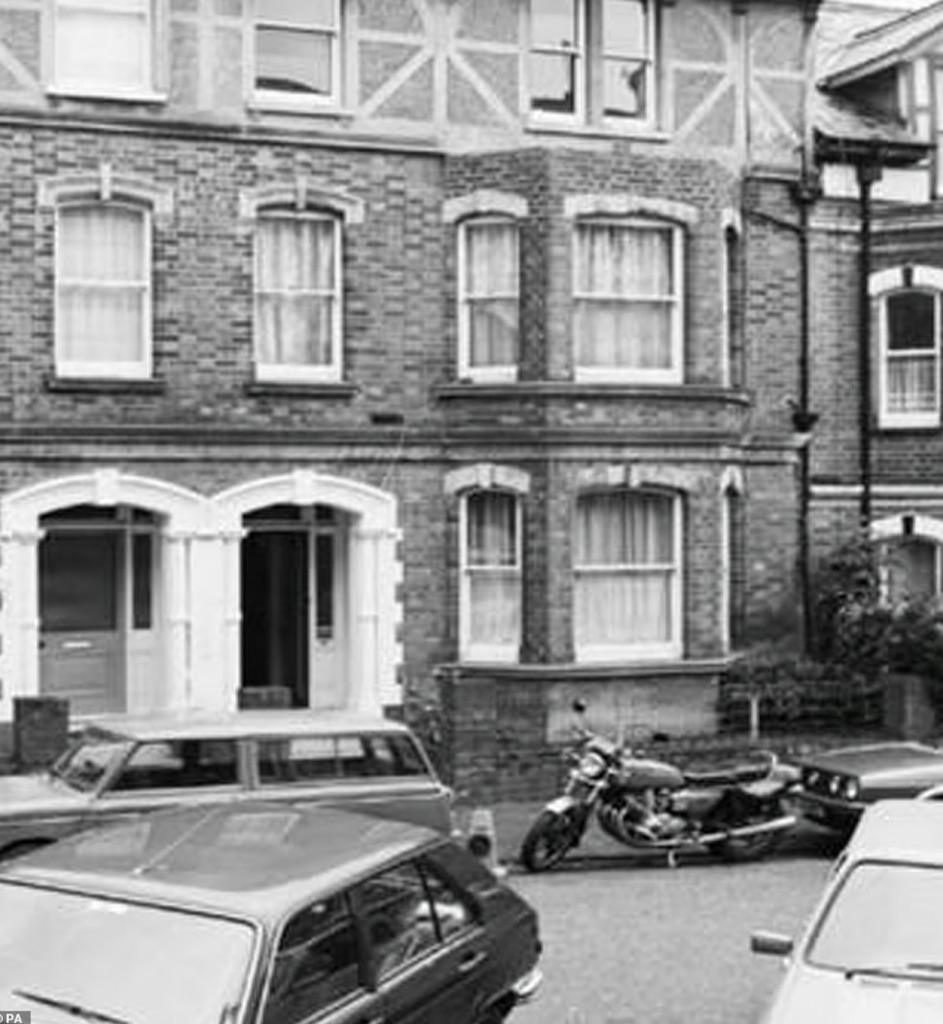
Wendy lived in a ground-floor bedsit on Guildford Road in Tunbridge Wells. Although her first marriage had ended in disappointment, she had moved forward with her life and was planning to marry her long-term boyfriend, Ian Plass. She had every reason to look forward to the future.
However, unbeknownst to Wendy, someone had apparently been watching her. Her bedroom overlooked a dimly lit alley behind the building, making the ground-floor property accessible from outside. On the night of 22nd June 1987, an intruder entered her home, possibly through an unlocked window.
The following day, Ian discovered Wendy’s body in her bed. She had suffered blows from a blunt object and had been strangled. Blood was found on the floor beside the bed and on the wall, but there were no defensive injuries. Combined with the fact that neighbours had heard no screams, this suggested Wendy had been attacked while she slept, leaving her little or no opportunity to defend herself.
The forensic examination revealed that Wendy had also been sexually assaulted. Semen was recovered from her mouth, vagina, and duvet, while other findings indicated anal penetration. Investigators concluded that the sexual assault had taken place after her death. Wendy had bled heavily from her head injury, and the distribution of blood suggested her body had been moved into different positions after she was killed.
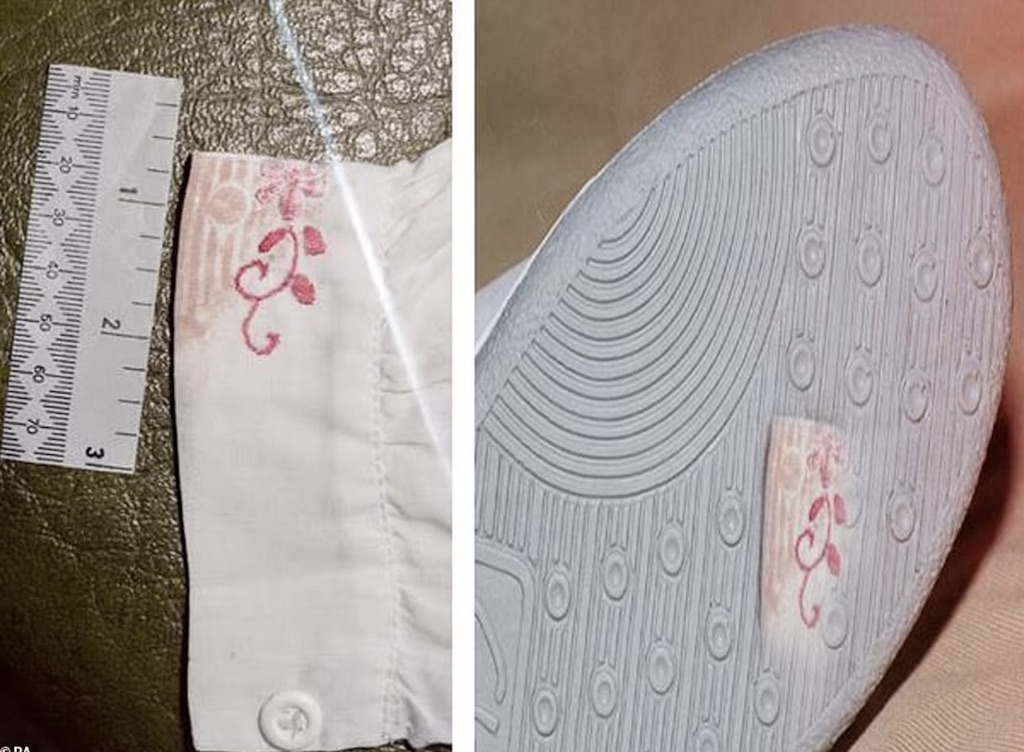
Investigators recovered several other potentially important pieces of evidence, including blood-stained clothing, a blood-stained Milletts carrier bag, and a distinctive shoe print on Wendy’s blouse. Police traced the impression to a particular type of Clarks shoe sold locally. They also discovered that the intruder had taken Wendy’s keys and diary.
The circumstances suggested an offender who had been confident of remaining undisturbed. He had entered Wendy’s home, killed her, and remained there long enough to commit further offences before leaving with some of her belongings. Whether he had deliberately studied her routine or simply recognised an opportunity was not yet clear, but the nature of the attack raised troubling questions about how much he had known about her beforehand.
Caroline Pierce
Caroline Pierce was 20 years old and worked as a manager at Buster Brown’s, an American restaurant on Camden Road, less than a quarter of a mile from Wendy Knell’s workplace. She was described by those who knew her as lively, happy, and well-liked.

Like Wendy, Caroline lived alone in a ground‑floor bedsit, this one in Grosvenor Park, Tunbridge Wells. Following Wendy’s murder, residents had become increasingly concerned about their safety, particularly after police warned of prowlers in the area. Caroline was aware of what had happened and had taken precautions, including having her window locks repaired. Her ex-boyfriend also recalled an occasion when she had telephoned him because she thought she had seen someone outside her window.
On 24th November 1987, Caroline spent the day with friends before taking a taxi home shortly before midnight. Despite the precautions she had taken, she was never seen alive again. Neighbours later reported hearing screams near her flat, although investigators could not establish whether she had managed to enter her home or had been approached outside. Whatever happened that night, Caroline disappeared without a trace.
For the next three weeks, her whereabouts remained unknown. Then, on 15th December, a farm worker discovered her body in a drainage ditch in a remote area of Romney Marsh, approximately 40 miles from her home.
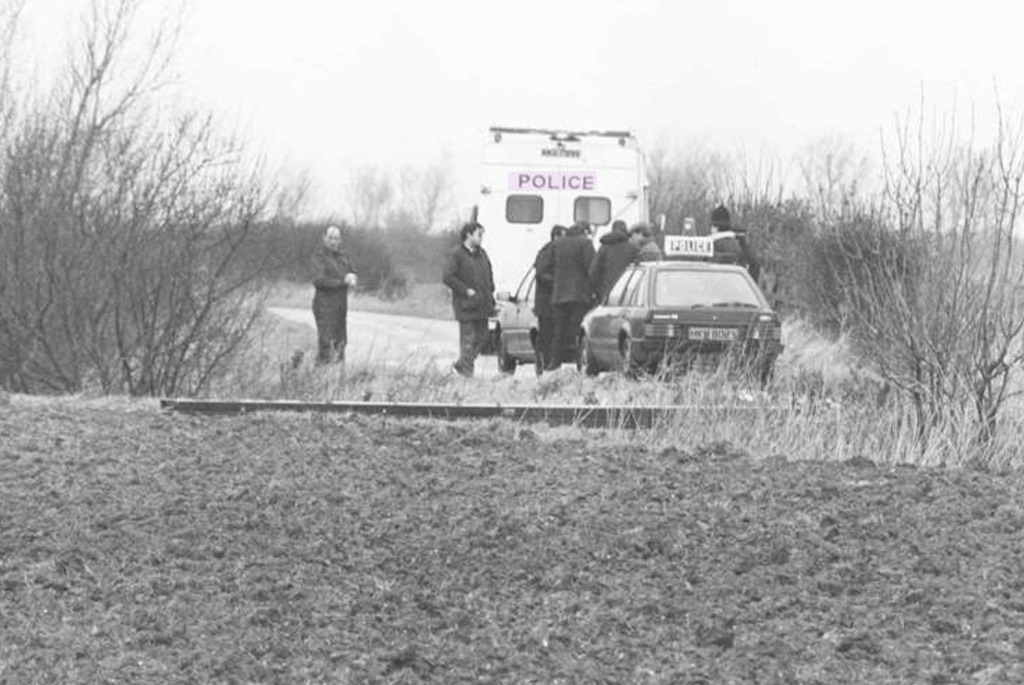
The injuries bore striking similarities to those suffered by Wendy Knell. Caroline had also been beaten with a blunt object and strangled. She was found naked apart from her tights, and semen recovered from the tights provided evidence of sexual assault.
The similarities between the two murders were difficult to ignore, and the cases soon became linked under a name that would become familiar to the public: the Bedsit Murders.
Investigation
From the outset, police suspected that the murders of Wendy Knell and Caroline Pierce were connected. Both women had lived alone in ground-floor bedsits in Tunbridge Wells, and both had been beaten, strangled, and sexually assaulted. However, although investigators recognised the similarities, proving that the same person was responsible was another matter. The National DNA Database would not be established until 1995, leaving detectives dependent on the forensic techniques available at the time and the preservation of evidence for future examination.
In 1999, more than a decade after the murders, advances in forensic science allowed investigators to obtain a complete DNA profile from semen recovered from Wendy’s duvet. The profile was entered into the now-established National DNA Database, but there was no match. Although detectives finally had the genetic profile of the man they were searching for, they still had no way of identifying him.
For the next twenty years, the murders remained unsolved, leaving both families without answers. The investigations were periodically reviewed as forensic technology improved, but the possibility remained that the killer was still at large and might have committed further offences.
Then, in 2019, a fresh forensic examination produced the breakthrough investigators had been waiting for. Scientists re-examined the tights Caroline had been wearing when her body was discovered and recovered a partial DNA profile from the semen present. Despite the evidence having been exposed to the elements for three weeks and preserved for more than thirty years, advances in technology allowed scientists to establish a forensic link with the DNA recovered from Wendy’s bedsit. For the first time, investigators had scientific confirmation that the same man was responsible for both murders. However, another search of the National DNA Database failed to identify him.
With no direct match, police turned to familial DNA analysis, which searches for genetic similarities that might indicate a close relative of an unknown offender. Working with the National Crime Agency, investigators identified approximately 1,000 individuals whose DNA shared certain characteristics with the crime scene profile. Mathematical analysis reduced this to a priority list of 90 people, each assessed according to the likelihood of a familial connection.
The investigation required a considerable nationwide effort, with more than twenty police forces assisting Kent Police. Officers began visiting those on the priority list, requesting voluntary DNA samples and gathering information about their family relationships. After samples had been obtained from the first twenty individuals, investigators discovered a particularly promising match. Further enquiries identified a male relative whose age, background, and connection to Tunbridge Wells made him a potential suspect.
After more than thirty-three years, detectives finally had a name: David Fuller.
Arrest of the Bedsit Killer
In the early hours of 3rd December 2020, police arrived at the home of 66-year-old David Fuller in Heathfield, East Sussex, where he lived with his wife and teenage son. Fuller had been married twice previously and had two other children. To those around him, he appeared to be an ordinary family man who worked in hospital maintenance.
Fuller was arrested, and a DNA sample was taken. Within thirty-six hours, the results confirmed that his profile matched the forensic evidence recovered from the murder scenes. DNA from Wendy’s bedsit was found to be a billion times more likely to have come from Fuller than from an unrelated individual. After decades of uncertainty, investigators finally had the man they believed was responsible.

Yet despite the overwhelming forensic evidence, Fuller denied murdering Wendy Knell and Caroline Pierce. He claimed to know nothing about the crimes and maintained that he was unfamiliar with Tunbridge Wells. However, as detectives began examining his past, they discovered that his account was far from accurate.
Investigators established that Fuller had carried out electrical work throughout Tunbridge Wells and had previously lived on Guildford Road, the same street as Wendy’s bedsit, approximately 100 yards away. His connections to the area extended further. In 1987, the year of the murders, he had married a woman who lived in staff accommodation at a school only a few miles from the victims’ homes. At the time, several women had reported suspicious activity involving a prowler, including an incident outside Caroline’s flat.
Fuller also had longstanding connections to Romney Marsh, where Caroline’s body had been discovered. He had visited the area during childhood and adulthood, and his interest in birdwatching and cycling regularly took him into the surrounding countryside. One of the routes used by his cycling club even passed the location where Caroline’s body had been found. Fellow members described Fuller as friendly and helpful, with little reason to suspect the crimes he had committed.
As detectives searched Fuller’s home and examined his personal belongings, they discovered that he had kept extensive records of his life. These included diaries, photographs, invoices, and documents relating to his work and social activities. What might ordinarily have been an unremarkable collection of personal records provided investigators with a detailed account of his movements and connections over several decades.
Among those records were references to Buster Brown’s, the restaurant where Caroline worked, indicating that Fuller had been a customer. Investigators also discovered photographs stored in SupaSnaps sleeves, connecting him to the business where Wendy was employed. These findings placed Fuller in locations associated with both women before their murders and raised the possibility that he had deliberately sought them out. Although the records could not establish precisely how he selected his victims or how long he had observed them, they suggested that his encounters with their workplaces might have been more than coincidence.
Further forensic examination strengthened the case against him. A bloody fingerprint recovered from a Milletts carrier bag beside Wendy’s bed was matched to Fuller’s left forefinger. Investigators also revisited the distinctive shoe print left on Wendy’s blouse. Working with a Clarks footwear archivist, they identified the impression as consistent with a Clarks Sportstrek trainer. Photographs recovered from Fuller’s home showed him wearing the same style of footwear during the 1980s, providing another connection between Fuller and the crime scene.
Taken together, the DNA, fingerprint, footwear evidence, and records of Fuller’s movements established an overwhelming case against him. After more than three decades, the Bedsit Murders had finally been solved.
However, the investigation had uncovered something far beyond the two murders. During the search of Fuller’s home, officers discovered concealed material that revealed he had continued committing sexual offences for decades. The nature and scale of those crimes would expose serious failures in the institutions where he had spent much of his working life.
The Morgue Monster
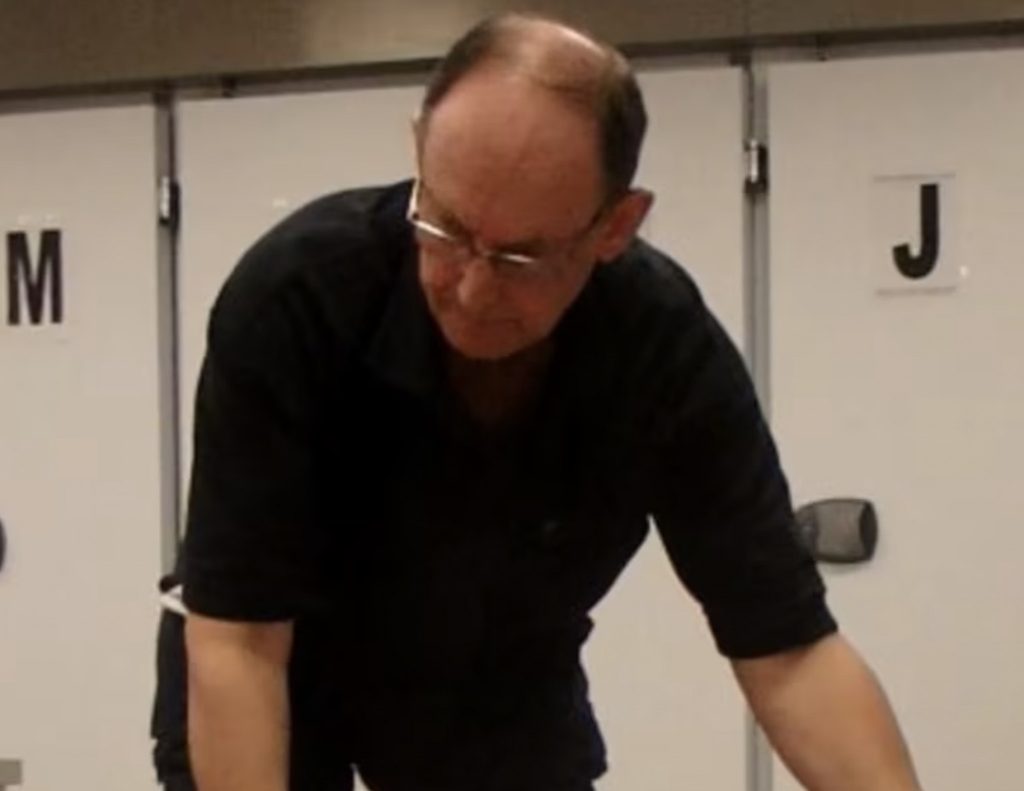
In November 1988, a year after the murders, David Fuller had began working as a hospital electrician in the maintenance department at Kent and Sussex Hospital. At the time, criminal record checks were far less comprehensive than they are today, and Fuller did not disclose his previous burglary convictions. He eventually became a maintenance supervisor, a position he held until 2011, when he transferred to the new Tunbridge Wells Hospital at Pembury as an estates supervisor. Remarkably, this was the same area he had claimed to be unfamiliar with when questioned about the Bedsit Murders.
His position gave him an employee swipe card that allowed him to access numerous areas of the hospital, including the mortuary. Although CCTV monitored some surrounding areas, there were no cameras inside the mortuary itself, partly to preserve the dignity of the deceased. Staff movements were not adequately monitored, and Fuller exploited the lack of oversight by entering after mortuary staff had finished work. This gave him extended periods when he could remain undisturbed, often carrying maintenance equipment that provided an apparently legitimate explanation for his presence.
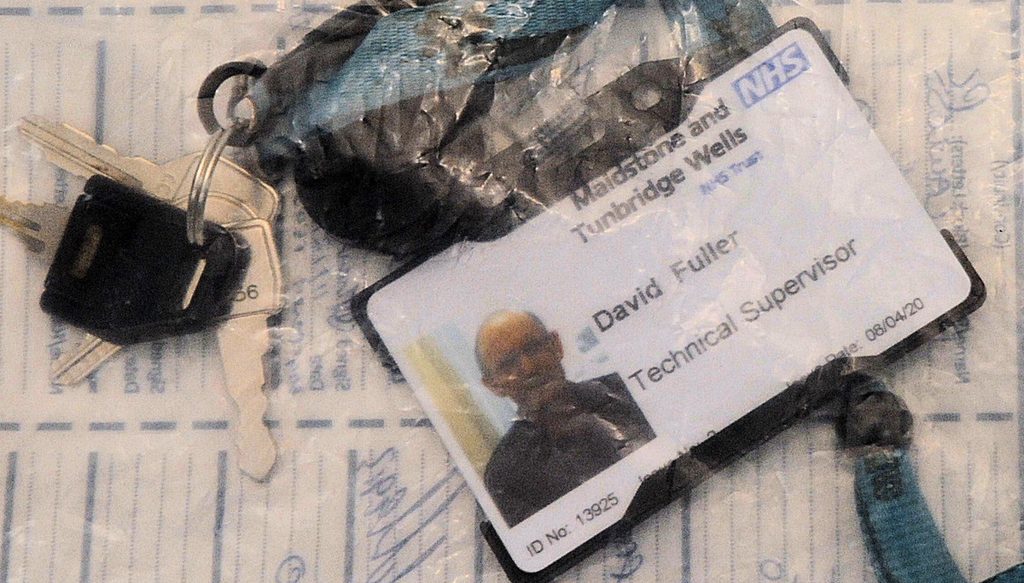
However, during the search of Fuller’s three-bedroom family home, investigators discovered what he had really been doing during those visits.
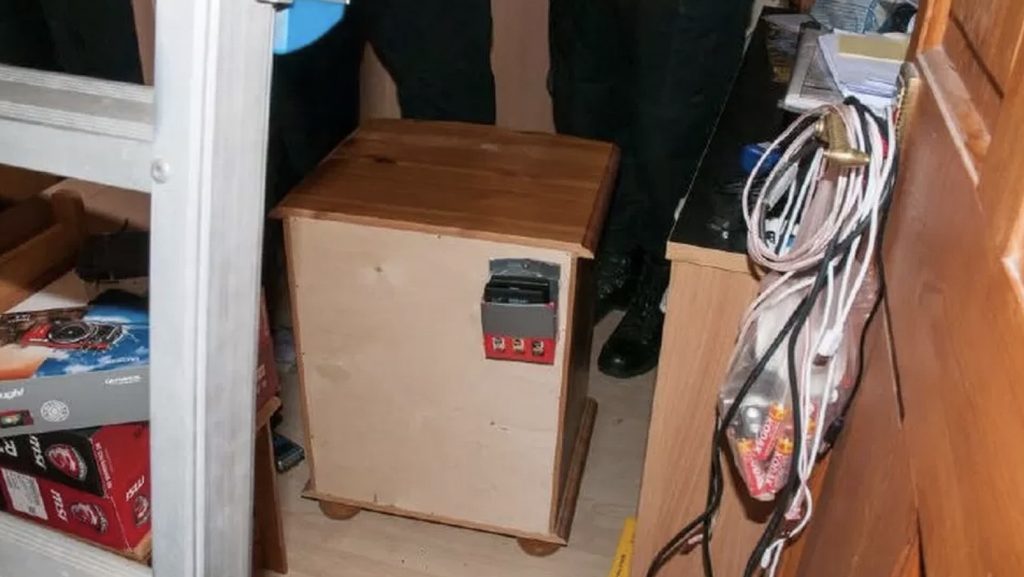
Concealed in a box screwed to the rear of a chest of drawers in his wardrobe, officers found computer hard drives containing photographs and videos that documented years of sexual offending against deceased female patients. Fuller had repeatedly entered the mortuaries of the hospitals where he worked and sexually assaulted the bodies of women and girls entrusted to their care.
The recordings revealed that Fuller’s offences went far beyond sexual intercourse. They documented multiple forms of sexual penetration and other degrading acts involving the bodies of deceased women and girls. Some victims still bore injuries from the circumstances of their deaths, while others had medical equipment attached to their bodies when the offences occurred. He had photographed and filmed his offences, creating an extensive personal archive of the abuse.
Investigators recovered an extraordinary volume of material, including more than 800,000 images and over 500 videos. At the time of his original prosecution, the evidence indicated that at least 102 women and girls had been targeted, with the youngest aged just 9 and the oldest 100. Subsequent investigations established that Fuller’s documented offending extended from 2005 until 2020, with 101 victims identified in the official inquiry.
Fuller’s record-keeping extended beyond the photographs and videos. He used information from mortuary records to identify women he had assaulted and subsequently searched for them on social media. He also organised his material under disturbing titles, including a notebook labelled ‘Best Yet’ and files named ‘Deadly’ and ‘Deadliest’. The care with which he catalogued the offences demonstrated how deliberately and systematically he had documented his activities.
For the families, the discovery brought another devastating ordeal, often years after they had lost their loved ones. Among Fuller’s victims were sisters Mary Akande, aged 16, and Helen, aged 22, who had died in a car accident alongside their father. Their mother, Nike, survived the collision, only to learn years later that her daughters had also been targeted by Fuller.
Another victim was a 9-year-old girl whose mother had visited her in the mortuary and left personal belongings beside her body. Fuller had moved some of those items before committing his offences. Speaking about her daughter, the mother described her as kind and brave, someone who loved life, and expressed her anguish at knowing that her child had been unable to defend herself.
“She was my baby and couldn’t say no to a dirty old man who abused her body, but she would have.”
Among the other identified victims was 24-year-old Azra Kemal, who died in July 2020 after falling from a bridge. Her mother, Nevres, had spent two hours beside her daughter’s body in the mortuary, taking comfort in being able to hold her and say goodbye. She later discovered that Fuller had assaulted Azra both before and after that visit. The knowledge transformed what had been a deeply personal moment of farewell into another source of anguish.
Overwhelmed by grief and anger, Nevres went to a police station carrying a knife, intending to take revenge against Fuller. Officers intervened, and she later spoke openly about the intensity of her feelings and the lasting impact of what had happened to her daughter.
“If I’d found him, I’m 99.99 per cent sure I’d have put that knife straight through his heart because he’d put a knife through mine.”
Establishing the full extent of Fuller’s crimes required an enormous forensic investigation. Over five months, officers examined approximately 100 hard drives, 1,300 CDs, 2,200 floppy disks, 30 mobile phones, and extensive collections of photographs, negatives, slides, and camera film. By comparing the recordings with mortuary records, employee swipe-card data, and available CCTV footage, investigators were able to establish when many of the offences had occurred and identify more than eighty of the victims.
The investigation also revealed how easily Fuller had been able to exploit weaknesses in hospital security. His swipe card allowed him access to areas where he had no legitimate reason to be, and his presence was rarely questioned. Even when he entered the mortuary outside normal working hours, there were insufficient safeguards to detect what he was doing. His crimes had continued for years, not because they were impossible to uncover, but because the systems intended to protect the deceased had failed to prevent his unauthorised activities.
Fuller’s meticulous documentation of his crimes, together with the lengths he went to conceal the evidence, demonstrated how deliberate and sustained his offending had been. Ultimately, the scale of Fuller’s offending made this case one of the most extensive and disturbing instances of necrophilia ever recorded in British legal history.
The examination of Fuller’s digital records also revealed offences unrelated to the mortuaries. Investigators discovered that he had concealed a pen camera in a bathroom at his home and secretly recorded a visiting female relative while she undressed, showered, and used the toilet. He had also manipulated photographs of the relative by combining them with images taken during his mortuary offences.
Police additionally recovered a substantial quantity of illegal sexual images of children, resulting in further charges against him.
Faced with the extensive evidence recovered from his home, Fuller initially attempted to minimise his behaviour. However, on 8th October 2021, he pleaded guilty to offences involving the bodies of 78 women and girls. Although he admitted the offences, investigators reported that he had shown no genuine remorse for the harm caused to his victims and their families.
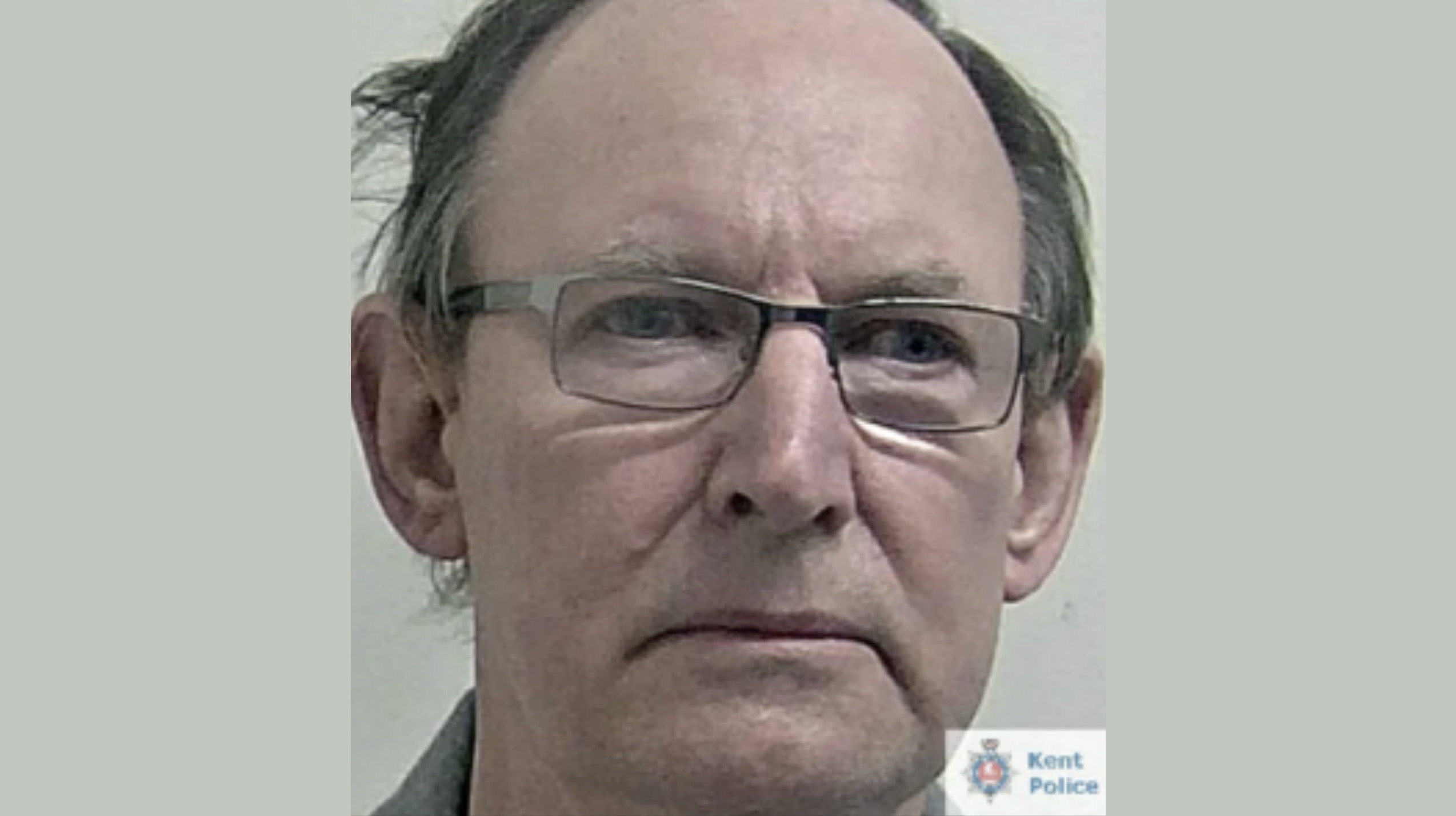
Court Case
David Fuller’s murder trial began on 1st November 2021 at Maidstone Crown Court. He initially pleaded not guilty to the murders of Wendy Knell and Caroline Pierce, arguing diminished responsibility. However, on the fourth day of the trial, he changed his pleas to guilty.
Fuller had also admitted numerous offences involving the sexual abuse of deceased women and girls in hospital mortuaries. During sentencing, Mrs Justice Cheema-Grubb addressed the full extent of his crimes, stating:
“Having killed two young women who were full of the promise of life you became a vulture, picking your victims from among the dead, within the hidden world of hospital mortuaries which you were left free to inhabit, simply because you had a swipe card.”
On 15th December 2021, Fuller received two whole-life orders for the murders of Wendy Knell and Caroline Pierce, meaning he would never be eligible for release. He was also sentenced to twelve years for the mortuary offences and other sexual offences.
On 7th December 2022, he received a further four years after admitting offences involving 23 additional mortuary victims. These four years were ordered to run consecutively to his original twelve-year sentence, bringing the total to sixteen years, although the combined sentence runs concurrently with his whole-life orders.
David Fuller will die in prison.
Aftermath
The impact of Fuller’s crimes on the victims’ families has been profound. Wendy’s boyfriend, Ian Plass, struggled with guilt for years, distressed that he had not been with her on the night she was murdered. Her mother, Pamela, was so deeply affected by her daughter’s death that she left her job, while the strain also affected her marriage. Wendy’s father, Bill, died in 2017 without ever seeing his daughter’s killer brought to justice.
Caroline’s mother, Katrina, described the lasting impact of the thirty-four years she spent waiting for answers:
“Life has never been the same again. Christmas time no get-togethers, no grandchildren, Mother’s Days are a bitter reminder of when Caroline’s funeral was held. Anniversaries, her birthday, the day her body was found goes on the same every year.”
Fuller’s crimes also devastated his own family. His former wife and children struggled to reconcile the man they had known with the offences he had committed, while his third marriage ended in divorce following his arrest.
The ripple effects of Fuller’s actions extend far beyond the victims themselves and will likely continue for generations.
In response to the discovery of Fuller’s mortuary offences, the government established an independent inquiry in November 2021, chaired by Sir Jonathan Michael. Its purpose was to examine how Fuller had been able to commit his crimes undetected for so long and whether existing safeguards were adequate to protect the deceased.
The first phase of the inquiry, published in November 2023, identified serious failures in security, management, and oversight at Maidstone and Tunbridge Wells NHS Trust. It found that Fuller had been able to access the mortuaries without appropriate supervision and that opportunities to question his behaviour had been missed.
Update – October 2026
The second phase of the independent inquiry, published on 15th July 2025, examined the wider systems responsible for safeguarding deceased people in hospitals, funeral homes, and other settings. It concluded that existing regulation and oversight were inadequate and warned that similar offences could occur again. The report made seventy-five recommendations, including stronger statutory regulation to protect the dignity and security of people after death.
By July 2026, the government had accepted the majority of the recommendations and begun implementing changes, although further work remained ongoing.
Although the scale of Fuller’s mortuary offences attracted considerable attention, Wendy Knell and Caroline Pierce must not be forgotten. They were two women whose lives were taken in 1987, leaving their families to endure more than three decades without answers. Alongside them were the many women and girls whose bodies Fuller abused, and whose families were forced to confront another devastating violation after already losing someone they loved.
Sources and Further Reading
BBC News | David Fuller: The sisters killed in a car crash, abused after death
BBC News | David Fuller trial: Wendy Knell’s former boyfriend felt daily guilt over death
Crimeline | David Fuller Sentencing Remarks
Kent Live | Family of murder victim Wendy Knell ‘deeply sad’ dad died before seeing justice
Kent Live | The ‘dirty old man’ who abused my 9-year-old: Mum’s shattering message to David Fuller
Sussex Live | The shattering messages from mums of two women murdered by East Sussex killer David Fuller
The Standard | David Fuller: Mother of victim was arrested in attempt ‘to kill him.’
The Standard | David Fuller: ‘Depraved’ Bedsit Killer sentenced for sexual abuse of dead women
The Telegraph | Families of dead women sexually abused in mortuaries by bedsit killer David Fuller face him for first time
Audio and Visual Media:
Sky Documentaries | David Fuller: Monster in the Morgue | 2022