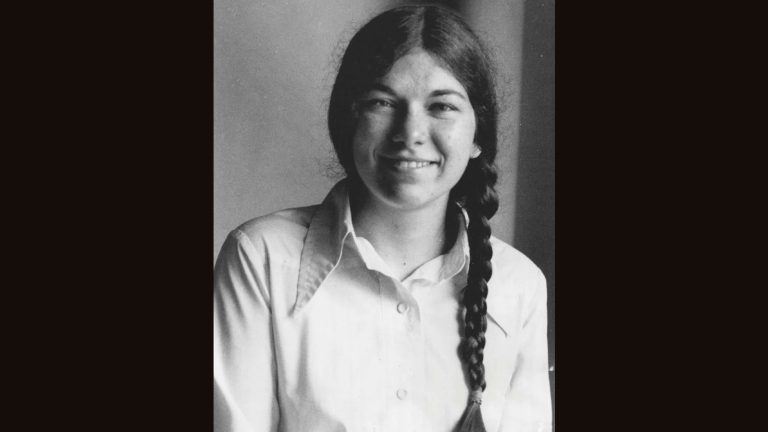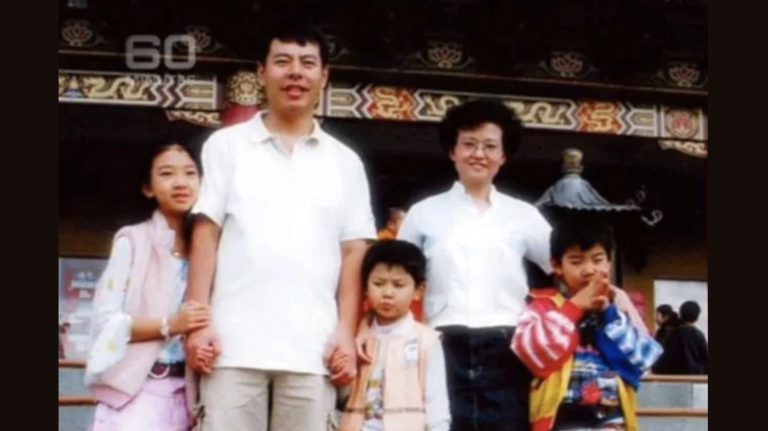
Katherine Knight was the first woman in Australian history to receive a life sentence without the possibility of parole. Her crime was so horrific that some media outlets refused to cover it. In fact, some of the officers attending the scene were so traumatised by what they saw that they stopped eating meat. Why? Because Katherine Knight had killed her lover, cooked his remains and prepared them as a meal for his children.
⚠️ Content warning: This article contains descriptions of violent or distressing events. Reader discretion is advised.
A Troubled Childhood
Katherine Mary Knight was born on 24th October 1955, at Tenterfield Hospital in New South Wales, Australia, to Barbara Roughan and Ken Knight. However, Katherine’s early life was marked by family dysfunction.
Before Katherine was born, her mother, Barbara, had been married to Jack Roughan, a manager at the Aberdeen Meatworks. Together, they had four sons: Patrick, Martin, Neville, and Barry. But Barbara later began an affair with Jack’s friend and colleague, Ken Knight, which caused a major scandal in the small, conservative town where they lived. Consequently, Barbara and Ken moved to Moree, leaving her four sons behind. The two eldest, Patrick and Martin, remained with their father, while the younger sons, Neville and Barry, were raised by an aunt in Sydney.
Barbara and Ken went on to have four more children: Charlie; twin girls, Joy and Katherine; and another son, Shane, born in 1961. By the time Katherine was born, Barbara had already left four of her children from her previous marriage behind to begin a new life with Ken. Whatever her reasons, it was a decision that raises questions about her priorities as a mother.
When Jack Roughan passed away in 1959, when Katherine was just 4 years old, his and Barbara’s two older sons, Patrick and Martin, came to live with them. The merging of these family units likely created tension, with Barbara’s sons possibly harbouring resentment over their mother’s absence, which would have contributed to further dysfunction within the household.
Katherine’s upbringing was characterised by significant violence and sexual abuse within her home environment. Her father, Ken, was a violent alcoholic who frequently raped her mother, Barbara, sometimes as many as ten times per day. In turn, Barbara openly shared intimate details of her sex life with her daughters, expressing a strong disdain for men. This experience would significantly shape Katherine’s beliefs about sexual relationships.
When Katherine later confided in her mother that a partner was pressuring her into an unwanted sexual act, Barbara told her to “tolerate it” and “stop complaining.” Rather than supporting her daughter, Barbara’s response reinforced the idea that Katherine was expected to tolerate unwanted sexual behaviour rather than challenge it.
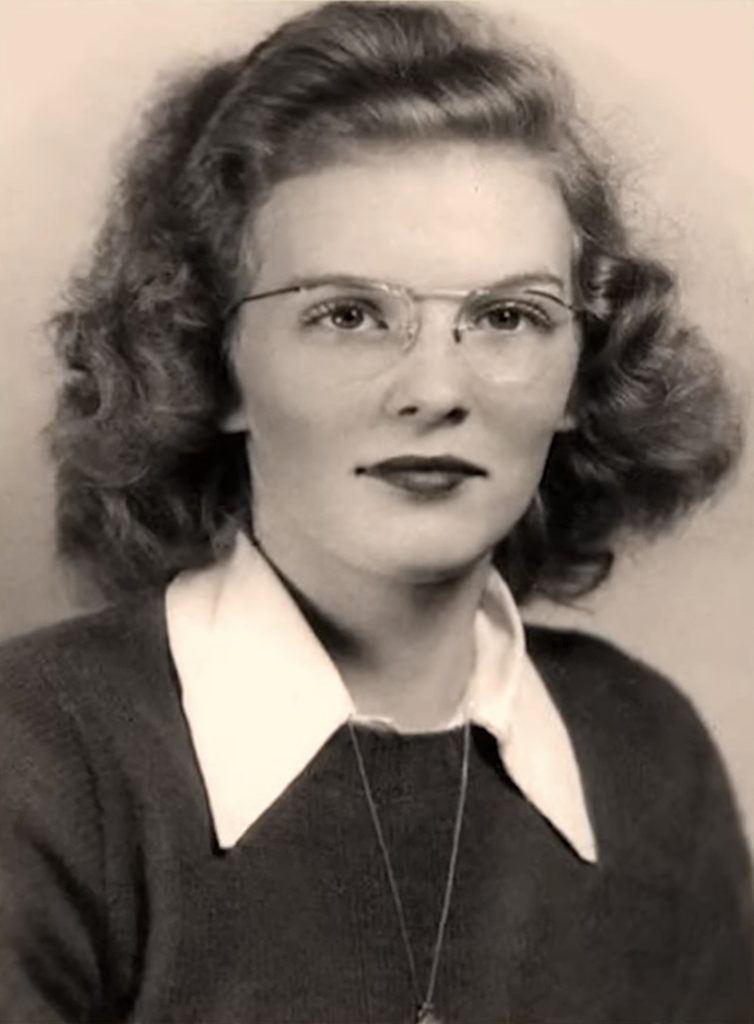
Katherine later reported that she was sexually abused by one or more of her brothers, an ordeal that lasted until she was 11. Court records suggest that Katherine may also have had some sexual contact with her father, although this has not been confirmed. While certain details remain uncertain, her accounts were corroborated by other family members and generally accepted by the psychiatrists who evaluated her.
There was significant violence within the family. Barbara endured repeated physical abuse from Ken, often resulting in black eyes. Over time, her children became so accustomed to witnessing her injuries that they largely ignored them. Katherine’s parents are also reported to have beaten her and her siblings with objects such as leashes and electrical cables. This early exposure to aggression is thought to have contributed to the development of Katherine’s own violent tendencies.
Katherine developed close bonds with just a couple of people in her life. One was her twin sister, Joy, and the other was her uncle, Oscar Knight. Oscar was a renowned champion horse rider. He was someone Katherine felt safe with and could confide in, making him one of the few men in her life she truly trusted.
However, the devastating loss of her uncle to suicide in 1969, when Katherine was a teenager, had a profound and lasting effect on her. It intensified feelings of abandonment that were already present within her family. Katherine would later claim that her uncle’s ghost continued to visit her.
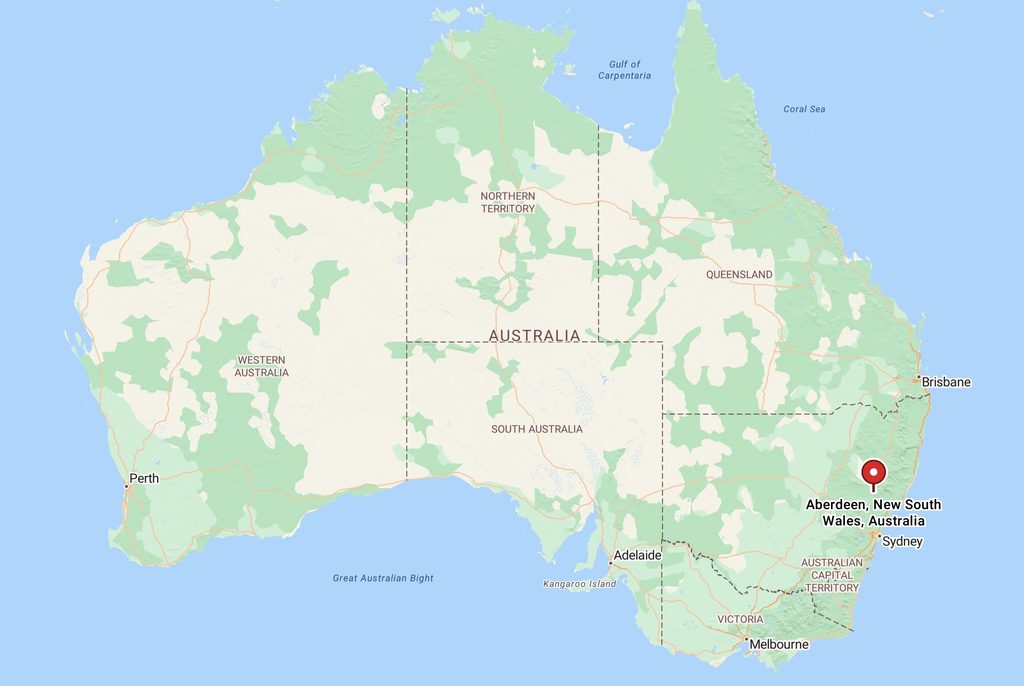
The family moved back to Aberdeen the same year.
Katherine attended Muswellbrook High School, where she and her twin sister, Joy, were known for being rough and intimidating — a reputation that made both teachers and students wary of them. Katherine was a loner with a volatile streak, often bullying others and carrying a knife tucked into her boots. She assaulted at least one boy with a knife and even attacked a teacher.
Yet despite this fearsome reputation, many locals recall a different side of her: pleasant, chatty, even warm, but only when her mood allowed it. Those closest to her understood the pattern well. When Katherine slipped into one of her dark moods, you kept your distance.
Katherine left school at the age of 15 unable to read or write, and went straight into work at a local clothing factory as a cutter. However, Katherine’s real ambition was to join the rest of her family at the Aberdeen Meat Works. After just a year, she left the factory and secured what she called her “dream job” — cutting up offal.
Katherine took her role very seriously and threw herself into the work with unsettling enthusiasm. Her co-workers recalled her walking over to the front of the production line to watch the pigs having their throats cut. While some of her colleagues assumed she was simply trying to learn, others noticed how much time she spent witnessing the animals die. Katherine’s apparent fascination with watching the animals being slaughtered suggests she may have been becoming increasingly desensitised to violence, particularly given her already volatile behaviour.
Katherine was soon promoted, and her most treasured possessions became her set of razor‑sharp boning knives. She hung them on meat hooks above her bed, keeping them within arm’s reach should she ever need them.
A Descent Into Murder
Katherine’s relationships were often volatile and abusive. She had a history of violence against her partners and was known to be possessive and controlling.
David Kellett
Katherine’s first significant relationship was with 22-year-old David Stanford Kellett, whom she met in 1973. Kellett was an abattoir worker and a friend of her brother. However, Kellett had developed a drinking problem stemming from two traumatic incidents from his previous employment in the railways in Coffs Harbour. In one, he had witnessed the tragic death of his best friend in a shunting accident, and the harrowing images had driven him to consume alcohol as a means of coping with the trauma. In the other incident, Kellett had rescued injured passengers from a school bus that had been struck by a train in Kempsey, but unfortunately, six children had been killed. This experience left Kellett feeling helpless at being unable to save them, leading him to self-medicate with alcohol to numb those overwhelming emotions.
Kellett’s drinking often led to fights with the locals, and in these situations, Katherine would step in and back him up with her own fists — something people found highly unusual for a woman at the time. It also revealed how much she relished violence. By then, Katherine had a reputation in Aberdeen for offering armed combat to anyone who crossed her, escalating from schoolyard fights to full‑blown adult confrontations.
In 1974, 18-year-old Katherine married Kellett. The couple arrived at the service on her motorbike, with Kellett intoxicated on the back. Before the wedding, Katherine’s mother had given Kellett some advice:
“You better watch this one or she’ll fucking kill you. Stir her up the wrong way or do the wrong thing and you’re fucked. Don’t ever think of playing up on her. She’ll fuckin’ kill you.”
Shortly after their wedding, Kellett would experience just how volatile Katherine was when he awoke to find her trying to strangle him. She was angry with him because he had fallen asleep after they had sex ‘only’ three times.
David’s family would also comment about Katherine’s fluctuating moods, and how she would go from being cheerful one moment to yelling the next. David would warn his family to stay out of her way when she was in “one of her moods.” Katherine was never far away from one of her knives, and he feared she could hurt someone with one of them.
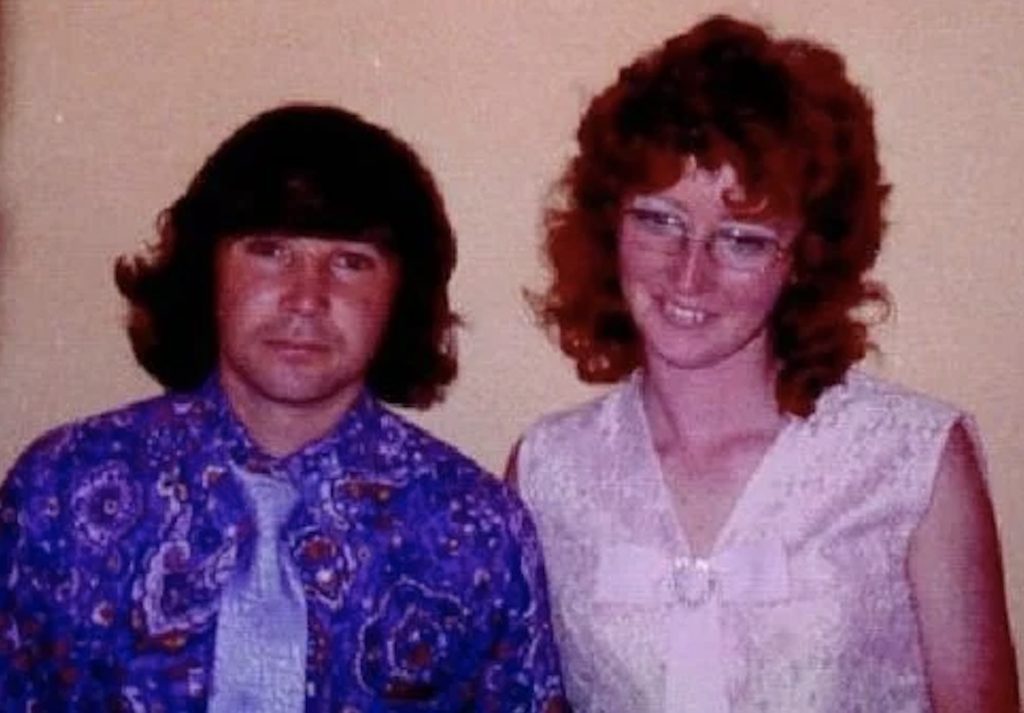
A few weeks after the birth of their first child, Melissa Ann, in May 1976, Katherine tried to stab Kellett with a broken beer bottle. Unable to cope any longer with Katherine’s possessive and violent behaviour, Kellett moved to Queensland to be with another woman. Katherine reacted to his departure with an alarming escalation in her behaviour. The next day, she was seen pushing her newborn baby down the street, violently tossing the pram from side to side and smashing it into fences and poles on the street. Katherine was admitted to Saint Elmo’s Hospital in Tamworth, where she was diagnosed with postnatal depression and spent several weeks recovering.
However, once she was released, Katherine sought revenge on Kellett by placing their two-month-old daughter on a railway track. She then stole an axe, went into town, and threatened to kill several people. Fortunately, a local man found Melissa just minutes before a train was due to pass, saving her life. Katherine was clearly out of control and was readmitted to the hospital again, but discharged herself the very next day.
After leaving the psychiatric hospital, Katherine’s violence continued. She went to the home of her co-worker, Molly Perry, and convinced Molly that Melissa was ill and needed a ride to a doctor. Molly agreed to drive her, but Katherine then pulled out a knife and slashed the cheek of Molly’s teenage daughter. Katherine then forced Molly and her two children into the car, demanding to be driven to Kellett’s location. Her intention was to kill both Kellett and his mother, Florence.
When they stopped at a service station, Molly and her daughter managed to escape, but Katherine kept hold of Molly’s youngest son, holding him hostage. There, Katherine began swinging a metal rod around and threatening to kill people. The police were called and were eventually able to disarm Katherine using broomsticks.
Katherine was admitted to Morisset Psychiatric Hospital. During her stay, she told the nurses that she planned to kill the mechanic who had repaired Kellett’s car – the repair that had enabled Kellett to leave. She also stated she planned to kill Kellett and his mother, Florence, once she reached Queensland.
The police informed Kellett of the incident, and in a surprising turn, left his pregnant girlfriend and returned to Aberdeen to support Katherine. On 9th August 1976, Katherine was released into the care of Kellett’s mother, Florence.
During Katherine’s hospital stay, her parents, Barbara and Ken, had been caring for baby Melissa. So Kellett and Florence drove to Barbara’s house to collect her. As they pulled into the driveway, Barbara came out of the house, reached into the car, and attempted to strangle Kellett, blaming him for Katherine’s breakdown. Katherine witnessed the confrontation, stormed outside, and punched her mother, knocking her to the ground — an incident that left Florence, sitting in the back seat, visibly shaken.
A few weeks later, Kellett and Katherine relocated to Queensland for a fresh start. Katherine got a job in an abattoir, and David found work driving trucks.
In October 1976, Kellett organised a surprise 21st birthday party for Katherine. However, while staying with them, Kellett’s sister witnessed Katherine exhibiting volatile and explosive behaviour towards her children. The sister heard a child screaming and found Katherine scalding her daughter in boiling water in the bathroom. When the sister informed Kellett of the incident, he told her not to say anything, fearing that Katherine would kill his sister and him in her sleep. As a result, the incident was never reported.
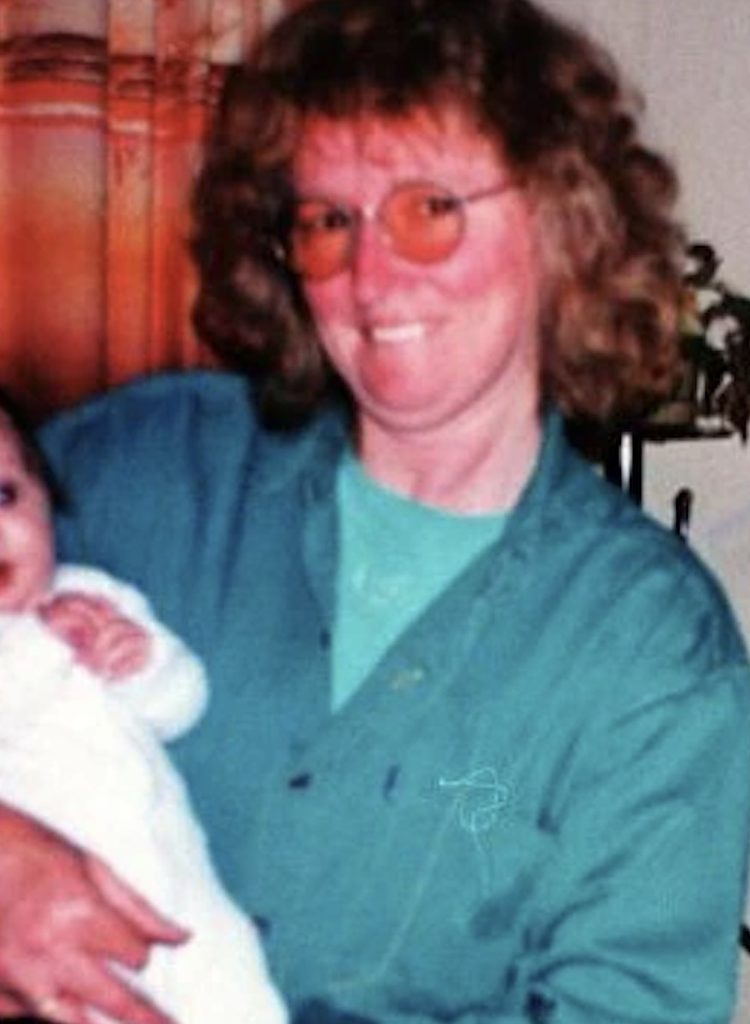
In 1979, Kellett returned home from work to discover Katherine in bed with a meat worker. Despite this betrayal, she begged for another chance, and the couple chose to move. Shortly thereafter, Katherine became pregnant again, but her moods quickly grew more erratic, with frequent violent and aggressive outbursts.
On one occasion, the heavily pregnant Katherine became enraged when Kellett returned home late from a darts competition, where he had reached the finals. In response, she burned all his clothes and shoes, and struck him on the head with a frying pan.
Fearing for his safety, Kellett fled to a neighbour’s house and collapsed. He was treated for a severe skull fracture and was in the hospital for four days. Although the police wanted to press charges against Katherine, she convinced Kellett to drop them. However, when he returned home from the hospital, he found that Katherine had hung her knives above their bed.
The couple’s second daughter, Natasha Maree, was born on 6th March 1980. By then, Kellett’s frequent absences due to his job as a truck driver further fuelled Katherine’s paranoia and fear of abandonment, leading her to worry that he would be unfaithful. On one occasion, Kellett woke up to find Katherine sitting on his chest, holding a knife to his throat. She accused him of having a woman in every town and laughed at how easy it would be to kill him.
In the end, however, it was Katherine who left Kellett. By 1984, she had moved out, first returning to her parents’ home in Aberdeen before renting a place in nearby Muswellbrook. She found work at the local abattoir, but a back injury eventually forced her out of the job. She later received a substantial workers’ compensation payout, and with a disability pension now supporting her, she moved into a Housing Commission property back in Aberdeen.
For years, Kellett would send his daughters presents, cards, and flowers on their birthdays, but Melissa and Natasha never received any of them. Katherine would dispose of Kellett’s gifts before the girls got home from school, telling them, “No, the bastard never sent you anything.” It wasn’t until Kellett reunited with Melissa when she was 16 that he learned the truth.
David Saunders
Katherine’s next relationship began in 1986 with David Saunders, a 38-year-old miner. A few months after they met, Saunders moved in with Katherine and her two daughters. However, Saunders kept his own apartment in Scone, which became a source of tension. Katherine grew jealous and suspicious of what he might be doing when she wasn’t present, leading to frequent arguments. She would throw him out during these confrontations, then plead for him to return.
Throughout their relationship, Katherine repeatedly attacked Saunders and damaged his property. She damaged his car, cut up all his clothing, broke a couple of his ribs, inflicted such deep cuts to his wrist that he needed stitches, hit him in the face with an iron, and stabbed him in the stomach with scissors. Saunders would regularly turn up to work with cuts and bruises to his face.
During this period, Katherine also attempted to take her own life by overdosing on sleeping pills, resulting in another admission to a psychiatric hospital.
One incident marked a significant escalation. When Saunders attempted to leave during an argument, Katherine slit the throat of his eight-week-old dingo puppy right in front of him. Immediately afterwards, Katherine began pushing him, and when he pushed her away to create distance, she started yelling that she was pregnant and accused him of kicking her in the stomach. According to Saunders, he had not kicked her in the stomach. Furthermore, Katherine was not actually pregnant.
After the incident, Katherine went to her sister Joy’s house carrying a shotgun and told her she had killed Saunders. Katherine was known for making extreme statements to provoke reactions, although whether this was another attempt to shock those around her or a genuine expression of her intentions remains unclear.
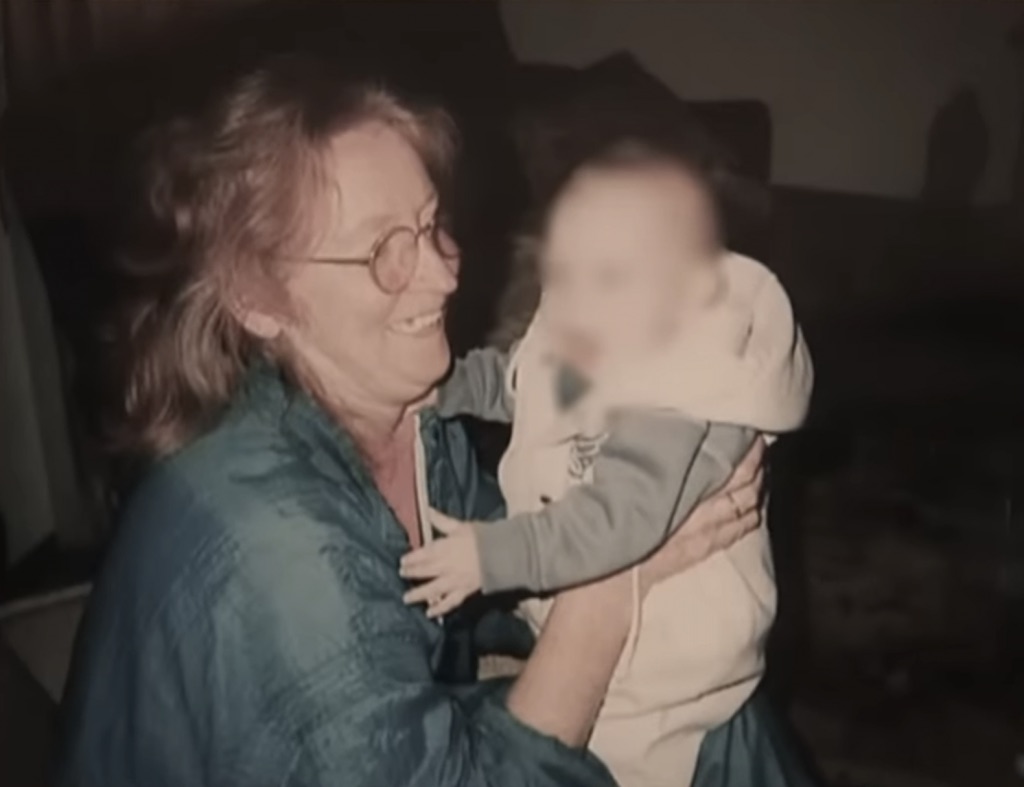
Despite this tumultuous relationship, Katherine gave birth to her third daughter, Sarah, in June 1988. Wanting security for his child, Saunders put down a deposit on a new home, which he and Katherine moved into, with Katherine using her workers’ compensation money to pay off the house. Katherine decorated this new home with a macabre array of items from her hunting trips, including stuffed animals, animal skins, skulls, horns, animal traps, leather jackets, machetes, rakes, and pitchforks.
However, things didn’t improve, and the relationship ultimately came to an end. Saunders had tried unsuccessfully to leave Katherine on multiple occasions, so this time, he took long-service leave and went into hiding. Katherine persistently tried to track him down, asking several of his friends where he was, but no one would tell her.
When Saunders returned home a few months later to see his daughter, Katherine had obtained an Apprehended Violence Order against him and told the police that she was the one who was afraid of him.
John Chillingworth
In 1990, Katherine became pregnant by 43-year-old John Chillingworth, a former co-worker from the abattoir. She gave birth to a son the following year, whom they named Eric. But as in her previous relationships, Katherine’s behaviour quickly turned spiteful and vindictive whenever she felt slighted or insecure. She once snatched John’s glasses from his face and broke them in front of him, and on another occasion smashed his false teeth — acts that appeared intended to humiliate and assert control.
Their relationship lasted three years before Katherine left him for a man she had been seeing for some time. His name was John Price.
John Price
John Charles Thomas Price was born on 4th April 1955. Known to most people as “Pricey,” he was widely liked, hardworking, and had a strong circle of friends, although he was also known to drink heavily.
Price was the father of three children. While his two-year-old daughter remained with his former wife, his two older children lived with him at his home in Aberdeen. In 1995, despite knowing about Katherine’s history of violence, Price allowed her and her two youngest children to move into his home.
However, cracks soon started to appear. Price was living in his former marital home, which still had many of his ex-wife’s belongings – something Katherine deeply resented. Furthermore, Katherine hated Price’s reluctance to divorce his ex. Katherine wanted to get married, which Price did not, making it clear to her he was only in the relationship for sex. Price had put the house in the names of his children, and Katherine believed she should be entitled to a share if anything happened to him.
In 1998, Katherine video-recorded some of the items John had collected from the rubbish tip of the mine where he had worked for seventeen years, such as old vacuum cleaners and expired medical kits. In retaliation for his refusal to marry her, she sent the footage to Price’s employer, who ultimately fired him. As Price earned a substantial income from the mine, Katherine’s actions compromised his financial stability. Price was furious and threw Katherine out of the house. However, after a few months, he allowed her back into his life, though he refused to let her move in again.
Katherine and Price’s relationship followed the same familiar pattern seen in her previous partnerships. Katherine could be a loving and attentive partner, both at home and in their intimate relationship, which may help explain why Price repeatedly reconciled with her. However, the familiar cycle of arguments, accusations of infidelity, break-ups, and reunions soon returned.
During the relationship, Katherine told several people that she intended to kill or seriously harm Price. Approximately five months before the murder, her niece, Tracy Knight, overheard Katherine telling her brother Kenneth:
“I’m going to kill Pricey, and I’m going to get away with it. I’ll get away with it because I’ll make out I’m mad.”
Price also confided in friends and colleagues that he feared for his safety. He told his boss about each incident of abuse, and many of his friends distanced themselves from him while he remained involved with Katherine. Those he trusted he kept close, partly so there would be witnesses if anything happened to him. One friend, Trevor Lewis, heard Katherine tell Price:
“You’ll never get me out of this house. I’ll do you in first.”
In February 2000, a series of assaults on Price culminated with Katherine stabbing him in the chest. He fled to a friend’s house, saying he feared for his life. The police were called, and he asked them to remove Katherine from his house, but they told him he would have to pursue legal action through the courts.
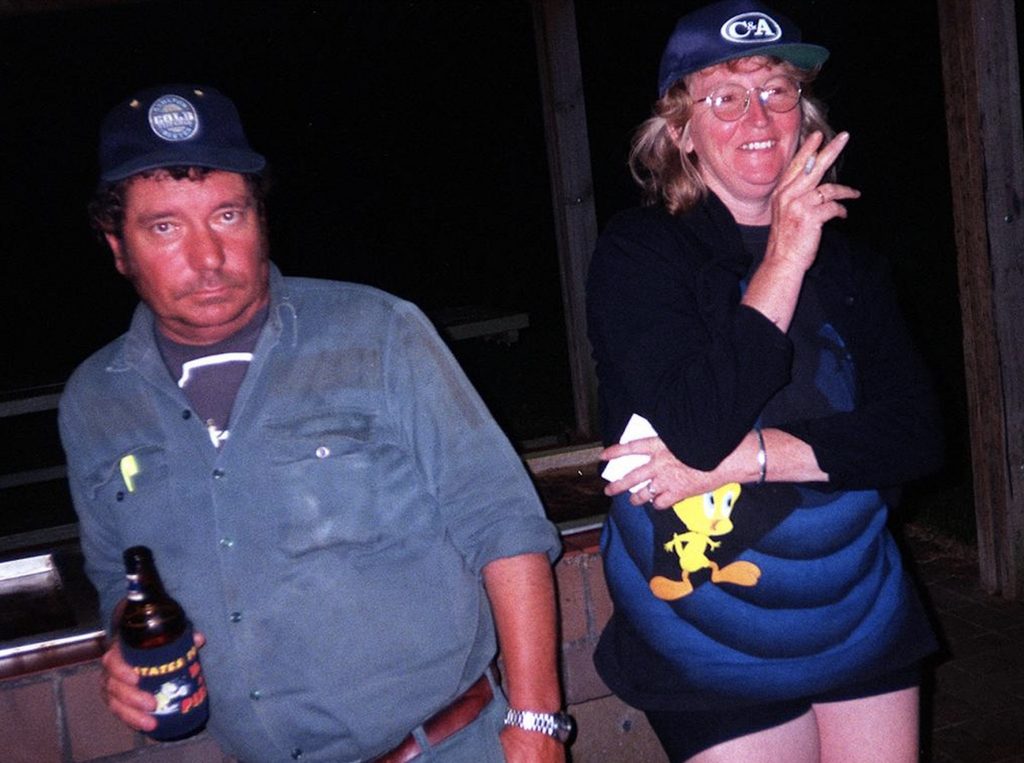
Meanwhile, due to the recent altercation between Katherine and Price, Katherine did have bruising on her body. She showed these bruises to various people, including the police, her sister, her daughters, her friends, and a doctor. However, the doctor later told the court that his consultation with Katherine was brief, and she seemed more concerned with having the bruises documented rather than receiving treatment. Her behaviour was later interpreted as an attempt to portray Price as the abusive partner, potentially laying the groundwork for a future claim of self-defence or diminished responsibility if she harmed him.
The Murder of John Price
On 29th February, Price stopped at the Scone Magistrate’s Court on his way to work and applied for a restraining order to keep Katherine away from both him and his children. He told the court that the previous night he had woken to find Katherine standing at the foot of his bed with her hand behind her back. He believed she was holding a knife. Only when she moved in front of a mirror did he realise her hand was empty. The court granted the order.
That afternoon, Price told co‑workers that if he failed to show up the next day, it would be because Katherine had killed him. They begged him not to go home, but he feared she would harm his children if he stayed away.
Later that day, Price went home, but to his relief, Katherine was not there. She had arranged for her daughter Natasha to babysit her youngest children for the night. Price visited a neighbour for a few beers and told him that if his van was still in the driveway the next morning, he should call the police because Katherine had killed him. Unaware that his fears were about to be realised, Price returned home and went to bed around 11 pm.
Earlier that same day, Katherine had retrieved her video camera from her sister’s place, which was unusual as it had been there for months. She recorded herself playing with her grandchild and then looked directly at the camera, saying:
“I love all my children. I hope I see you all again.”
The footage has been interpreted as a crude will and evidence that Katherine intended to murder Price and then take her own life.
Later, Katherine bought new black lingerie. When she dropped her children at her daughter Natasha’s house, she told Natasha that she wanted the occasion to be special. In Natasha’s later statement to the police, she said she sensed her mother was unstable, and said to her, “I hope you are not going to kill Pricey and yourself.”
Katherine then drove to Price’s house, letting herself in with a set of keys she still possessed. It was past 11 pm, and Price was already in bed. Knowing his children were with their mother, she was aware they would have the house to themselves. After watching TV for a while and taking a shower, Katherine put on her new black lingerie and joined Price in bed. The couple proceeded to have sex before Price fell back to sleep.
Katherine then launched a brutal attack on John Price while he slept, repeatedly stabbing him in the chest with a butcher’s knife. Blood evidence indicates that Price attempted to escape, staggering down the hallway and reaching for the light switch as Katherine continued her assault, striking him in the back and neck. He reached the front door, and blood on the doorknob shows he managed to open it and step outside, only to be dragged back into the house. He was bleeding heavily, and he finally died in the hallway of his house after bleeding out.
A large pool of blood in the hallway, measuring one meter by two meters, indicated that Price had lain in the hallway for quite some time before his body was later moved. His autopsy revealed that he had been stabbed at least 37 times, in both the front and back of his body, with many of the wounds penetrating vital organs, including the aorta, lungs, liver, stomach, colon, pancreas, and kidney.
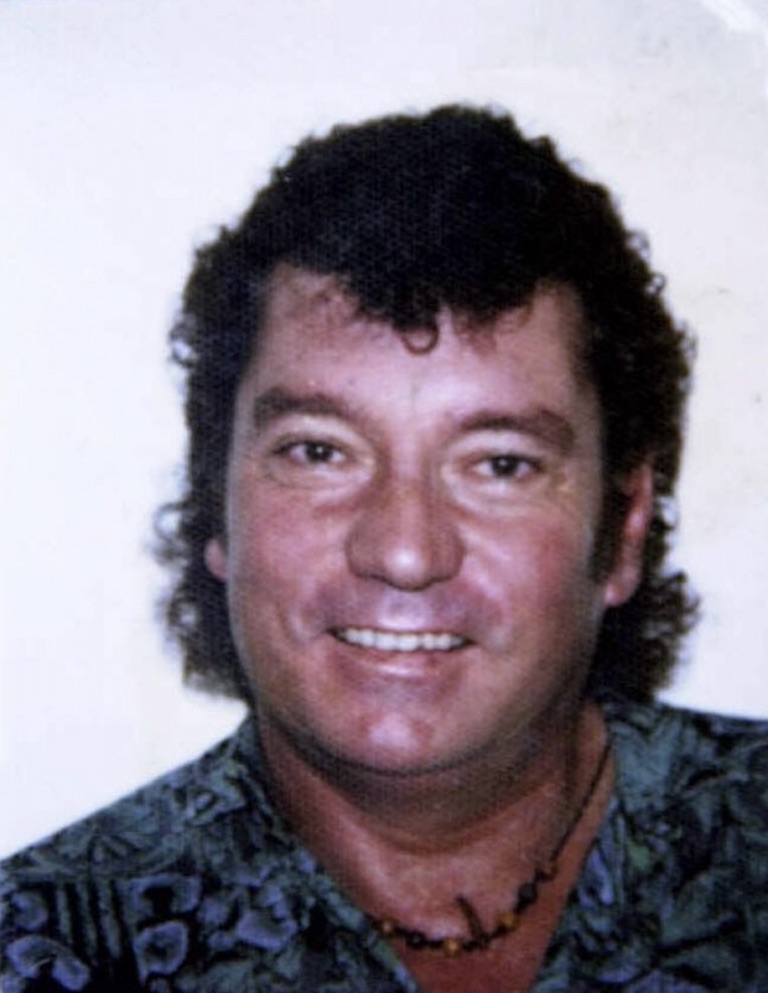
After killing Price, Katherine showered, changed, and then drove an hour’s round trip to an ATM in Muswellbrook to withdraw $1,000 from Price’s bank account. Upon returning to her own home, she parked her car and then walked the short distance back to Price’s house. Her decision to leave the house, withdraw money, and then return would later become significant in assessing how much control she retained over her actions.
Once inside Price’s house, she dragged his body from the hallway into the lounge and meticulously skinned him, utilising the expertise she had acquired from her abattoir jobs to remove his entire skin, including his face, nose, ears, neck, torso, genitals, and legs, in a single piece. Katherine had removed the skin with such precision that after the post-mortem examination, it could be sewn back onto Price’s body before his funeral. The skin was then hung from a meat hook on the architrave of a door to the lounge room.
After stabbing and skinning Price, she then decapitated him, carrying his head from the lounge to the kitchen, leaving a trail of blood along the way. She placed the head, along with various vegetables, into a pot of boiling water and sliced off parts of his buttocks, cooking them in the oven. She dished the ‘steaks’ onto plates along with baked potato, pumpkin, zucchini, cabbage, yellow squash and gravy – ready to serve up to his children. She made two settings at the dinner table and placed notes beside each plate with the names of Price’s children. The contents of the notes were never released.
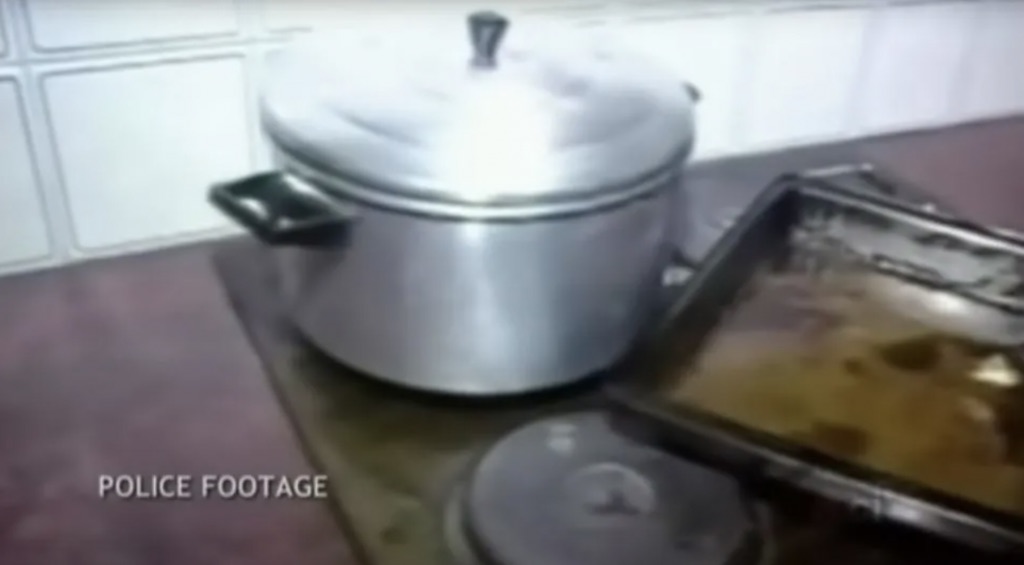
Katherine then arranged Price’s body, with the left arm draped over an empty soda bottle and the legs crossed; an act later claimed in court to be an expression of her contempt for him. She then left a handwritten note, stained with blood and covered in small pieces of flesh, on top of a photograph of Price. The note read:
Time got you back Johathon for rapping my douter. You to Beck [Price's daughter] for Ross — for Little John [his son]. Now play with little Johns Dick John Price. (sic)
The accusations in the note were found to be groundless.
Finally, Katherine swallowed an assortment of prescription drugs, apparently in an attempt to take her own life. She then went to the bedroom and fell into a deep sleep. However, doctors later determined that the quantity of medication she had taken was within the normal therapeutic range, raising questions about whether she had genuinely intended to end her life.
The following morning at 6 am, Price’s neighbour — recalling his warning from the night before — grew concerned upon seeing Price’s van still in the driveway. Price’s employer was also worried after he failed to show up for work without notifying anyone, and sent an employee to check on him. The neighbour and employee attempted to wake Price by knocking on his bedroom window, but upon noticing blood on the front door, they immediately contacted the police, who arrived at 8 am.
After knocking on the door and not receiving a response, the officers made their way to the rear of the house and broke in through the back door. Inside, they were unprepared for the horrifying scene that awaited them. As they moved through the house, they noticed what appeared to be a curtain, blanket, or some other type of covering hanging down. One of the officers pushed it aside and immediately felt a coldness on his arm. When he looked down, his arm was covered in blood. To their horror, the officers soon realised that the ‘curtain’ was actually human skin.
The officers then went into the lounge and discovered Price’s decapitated body with much of the skin and flesh removed, exposing the underlying muscles and some internal organs. Nearby lay the knife, accompanied by two different knife sharpeners. In the kitchen, the pot containing Price’s head remained on the stove, its contents still warm, indicating that the cooking had taken place in the early morning hours.
Outside, a third meal lay discarded on the back lawn. Various explanations have been suggested, including that Katherine may have attempted to eat it herself but was unable to, or that she had fed it to the dog as another act of humiliation directed at Price.
Overall, the crime scene was so harrowing that several responding officers suffered significant psychological trauma, resulting in PTSD. Consequently, some had to take time away from their duties, and a few even chose to abstain from eating meat for an extended period, possibly as a coping strategy.
The police found Katherine lying on the bed. They tried to wake her, but she did not respond. She was taken to the hospital and questioned by the authorities five days later.
Initially, she stated that she only remembered having sex with Price before falling asleep and could not recall the murder. Katherine later admitted killing him, claiming she had suffered severe domestic abuse throughout her relationships. However, when police spoke to her former partners, they uncovered a long history of Katherine herself being the aggressor, repeatedly subjecting the men in her life to serious violence.
Legal Proceedings and Imprisonment
On 2nd February 2001, Katherine Mary Knight was arraigned for the murder of John Charles Thomas Price. She initially pleaded not guilty, having previously sought to have the charge reduced to manslaughter on the grounds of diminished responsibility, a proposal the prosecution rejected.
The trial was originally scheduled for 23rd July 2001, but illness among counsel forced a postponement until 15th October. A further delay followed during jury selection because of the disturbing nature of the crime scene photographs. Prospective jurors were given the opportunity to be excused from the case, and several took it.
Katherine eventually changed her plea to guilty, although she continued to claim that she could not remember committing the murder. This prompted a psychiatric assessment to establish whether she understood the implications of her guilty plea, amid concerns that she might later claim insanity. The assessment determined that Katherine was legally sane and understood the consequences of her plea, while psychiatrists also identified borderline personality disorder.
On 18th October 2001, Katherine formally pleaded guilty to murder. The court accepted her plea and recorded the conviction, meaning a full trial was no longer necessary. Instead, proceedings moved to sentencing, where the court would consider the circumstances of the murder, Katherine’s mental state, and whether anything justified a sentence less than life imprisonment.
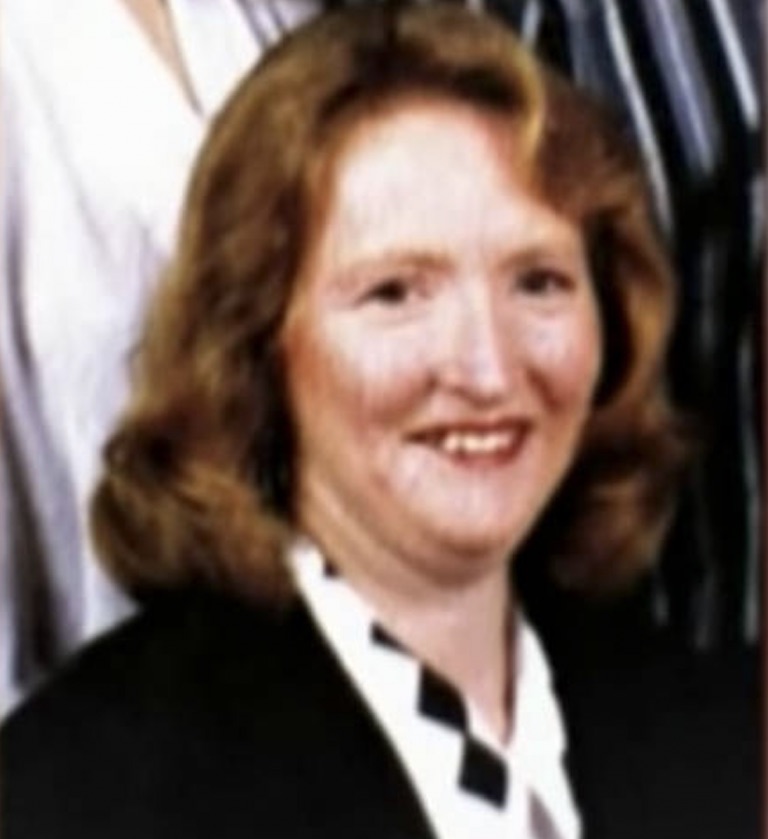
Sentencing Arguments: Katherine’s Mental State
When deciding Katherine’s sentence, the court had to weigh competing arguments regarding her mental state. The defence pointed to her troubled childhood, including allegations of sexual and physical abuse, and argued that her psychological difficulties should reduce her culpability. They presented psychiatric evidence concerning her borderline personality disorder and post-traumatic stress disorder, as well as her claims of dissociative amnesia, which she maintained left her with no memory of killing John Price.
However, the prosecution argued that Katherine’s behaviour demonstrated considerable awareness and control. She could recall events before the murder and provide details about the medication she had taken afterwards. More importantly, her actions following Price’s death included showering, changing her clothes, leaving the house to withdraw money from his bank account, and returning to carry out the mutilation of his body.
The prosecution argued that Katherine’s treatment of Price’s body was motivated by revenge following the breakdown of their relationship. The sentencing judge accepted that she had taken pleasure in her actions and found that her conduct after the murder demonstrated awareness, deliberate choice, and considerable skill. He also considered her an extremely dangerous individual, particularly given her longstanding history of violence towards previous partners.
Although psychiatrists identified significant psychological problems, their assessments did not establish that these fully explained her actions. The judge acknowledged that her personality disorder may have influenced her decision to kill Price, but concluded that it did not sufficiently explain the timing and circumstances of the murder or justify a reduced sentence.
Sentencing Arguments: The Question of Premeditation
Another critical factor in determining Katherine’s sentence was whether the murder had been planned. The prosecution presented evidence suggesting that Katherine had been considering killing Price for some time, including threats she had made to relatives and acquaintances. She had previously told her brother that she intended to kill Price and believed she could escape responsibility by convincing people she was mentally ill.
Price himself had repeatedly expressed fears for his safety. He had warned friends and colleagues that Katherine might kill him, and had sought police and court intervention to protect himself and his children.
The prosecution also drew attention to Katherine’s behaviour immediately before the murder. Earlier that day, she had retrieved her video camera and recorded an unusual message to her family, which was interpreted as a possible farewell. She had also arranged for her younger children to stay with her adult daughter Natasha, leaving them without clean clothes, pyjamas, or school bags. These circumstances suggested that the arrangement had been made hastily, rather than as an ordinary overnight visit.
Taken together, the evidence convinced the sentencing judge that Katherine had deliberately planned the murder, including its timing. He also rejected her claimed amnesia, concluding that it formed part of an attempt to appear mentally ill and avoid responsibility for her actions.
During the sentencing hearing, Katherine became hysterical when the medical examiner described the skinning and decapitation of Price’s body, and she had to be sedated. Whether this reaction reflected genuine psychological distress or an attempt to reinforce her claims of memory loss remains uncertain.
On 8th November 2001, Katherine Knight became the first woman in Australia to receive a life sentence without the possibility of parole. The sentencing judge concluded that the murder fell within the most serious category of offences and that her level of culpability justified the maximum punishment available. He directed that she should never be released.
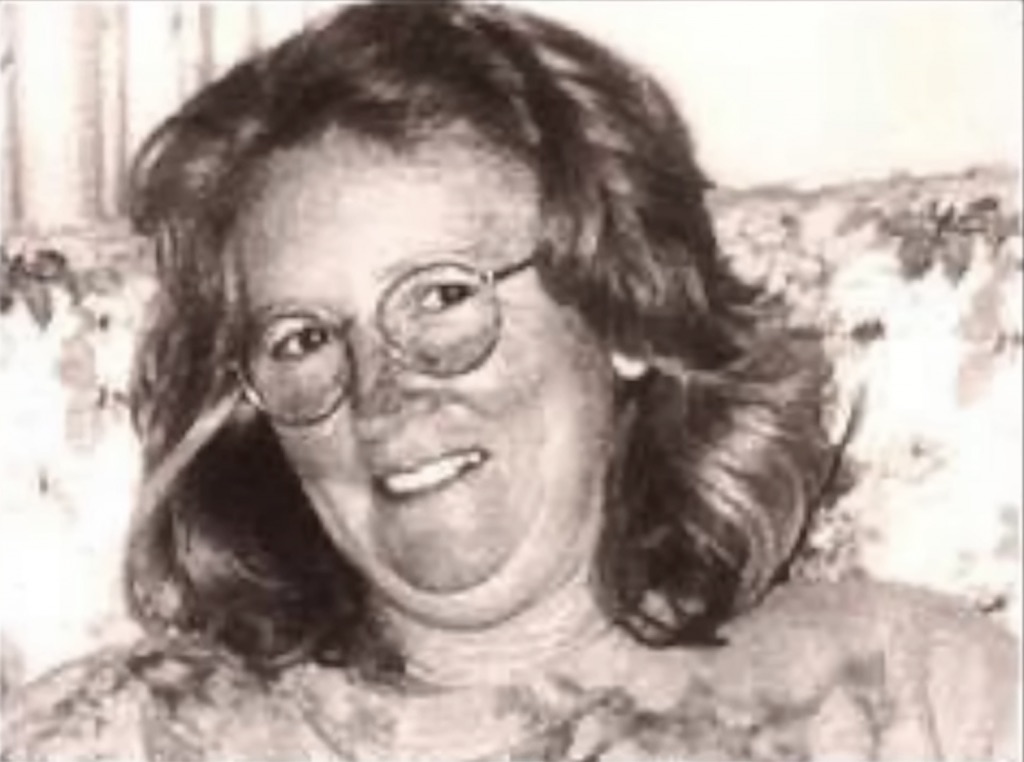
In June 2006, Katherine appealed her life sentence, arguing that imprisonment without the possibility of parole was excessively harsh. Her lawyers maintained that insufficient weight had been given to her psychiatric condition and personal history, and argued that the mutilation of Price’s body, which occurred after his death, should not have been treated as part of the murder itself when assessing its seriousness.
However, on 11th September 2006, the New South Wales Court of Criminal Appeal dismissed her appeal. The court upheld the original sentence, finding that the severity of the murder, the deliberate mutilation of Price’s body, and Katherine’s personal circumstances justified life imprisonment without parole.
Katherine currently resides at the Silverwater Women’s Correctional Centre in New South Wales. Despite finding religion and spending her time painting, knitting, and mediating disputes among prisoners, she is closely monitored due to the severity of her crimes. For obvious reasons, she is prohibited from handling knives and is not permitted to enter the kitchen.
Sources and Further Reading
Mail Online | Katherine Knight’s brother Neville Roughan get bail on child sex abuse charges
Murderpedia | Katherine Mary Knight
New Zealand Herald | Cannibal killer Katherine Knight’s life in prison
7News | Katherine Knight butchers husband, John Price, then boils his head and plates him up
Audio and Visual Media:
Beyond the Darklands. Episode 8. September, 2009. (Available on YouTube.)
Crimes That Shook Australia. Season 1, Episode 6.
ⓘ If you or someone you know has been affected by the issues raised in this article, support is available. You don’t have to carry it alone. Find free, confidential helplines and guidance on the Help & Support page.