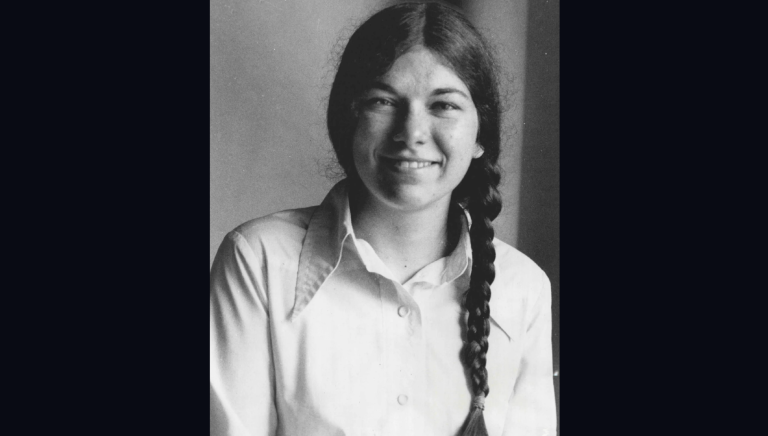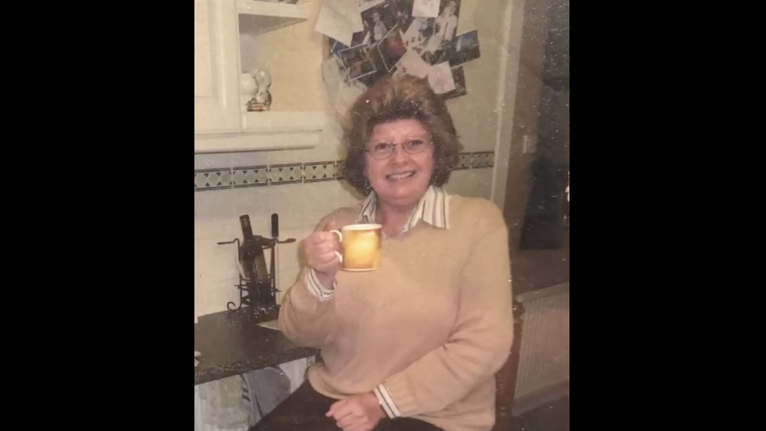
On Vassar Road in Poughkeepsie, a suburban house held a secret for almost three decades.
It had once been home to James and JoAnn Nichols, a couple whose lives appeared ordinary. But in December 1985, JoAnn disappeared without explanation, and her family, friends, and investigators were left searching for answers that never came.
As the years passed and the mystery slowly faded from public attention, James remained alone in the house until he died in 2012. But when workers began clearing out the property after his death, they uncovered something hidden inside the house that would finally reveal what had happened to JoAnn after all those years.
The Life of JoAnn Nichols
JoAnn Nichols, born JoAnn Miller, grew up on her family’s 240-acre peach plantation in Blanchard, Louisiana. Her close-knit Southern upbringing instilled strong values of faith, community, and tradition. She earned a master’s degree in education from Louisiana State University in 1955 and pursued a teaching career that reflected her caring nature.
While teaching in Rolling Fork, Mississippi, JoAnn met James Nichols. They married in Shreveport and welcomed their only child, James III, known as “Ticker,” in 1956.
In 1963, the Nichols family relocated to Poughkeepsie, New York, when James secured a position with IBM. At the time, IBM dominated the region’s economy, and his job provided the family with stability and social standing.
JoAnn settled quickly into life in Poughkeepsie. That same year, she began teaching first grade at Gayhead Elementary School and soon became known for her creativity and warmth. Her innovative teaching style included rolling out a red carpet for her students, making each school day feel like a special occasion. Her dedication left a lasting impression on colleagues, parents, and children alike.
A devout Southern Baptist, JoAnn abstained from drinking, smoking, and wearing makeup. She also helped establish a Southern Baptist church in Poughkeepsie. Although the church’s efforts were short-lived, her faith remained central to her life.

In 1982, the Nichols family suffered a profound loss when their son, Ticker, who was studying computer science at the time, died at the age of 25. He reportedly fell from the hood of his Amphicar, drowning in Sardis Lake, Mississippi.
JoAnn leaned on her faith and returned to teaching as a way to cope with her grief. James responded differently. He sold the Mississippi property he had envisioned for Ticker’s future but kept the Amphicar involved in the accident, storing it in their backyard. For JoAnn, its presence was a painful reminder of their loss.
Over time, small signs of strain in the marriage became harder for JoAnn to ignore. She confided in friends and colleagues that she had to hand over her paycheck to James each week, a detail that suggested a controlling dynamic at home.
His behaviour grew increasingly difficult to live with. James began filling the basement, garage, and several backyard sheds with guns, cameras, Civil War memorabilia, tools, electronics, and two Amphicars. What had once been clutter became a level of hoarding that overwhelmed their home.
The situation escalated further when JoAnn discovered that James had kept the family’s dead cat in the freezer. It was the kind of moment that made her realise how far things had drifted from normal. She continued teaching, finding stability in her work, but life at home had become increasingly strained.
On 20th December 1985, just days before Christmas, JoAnn taught her first-grade class for the final time. That evening, she and James dined with friends at the Ground Round Grill and Bar, in what was a quiet, ordinary end to the day.
It was the last time anyone saw JoAnn alive.
JoAnn‘s Disappearance
On the morning of 21st December, JoAnn failed to arrive for a scheduled hair appointment at the local mall. For someone as reliable as she was, this immediately raised concern.
Later that day, James reported his wife missing.
He told detectives he had seen JoAnn earlier that morning before leaving the house. When he returned, he claimed he found a typed note on his computer suggesting JoAnn had been depressed over their son’s death. Investigators examined the computer, but the note offered little clarity. Detective Lt. Charles Mittelstaedt later remarked, “There’s a degree of depression, but it’s not what I’d consider a suicide letter.”
Suspicion deepened when detectives noticed JoAnn’s car parked in the driveway a day after her disappearance, even though it had not been there the day before. James said he found it at a nearby mall, but instead of notifying the police, he had taken it to be cleaned and vacuumed, erasing potential evidence.
In the days that followed, friends and family grew increasingly worried. JoAnn had missed her weekly Sunday phone call to her mother, a routine she never broke, adding to the sense that something was seriously wrong.
Detectives conducted a preliminary search of the Nichols home, walking through the cluttered rooms. In the basement, James unlocked a large safe and showed them his gun collection.
Over the following weeks, searches extended to frozen waterways and nearby woods. Officers combed the terrain by foot and helicopter, but no trace of JoAnn was found.
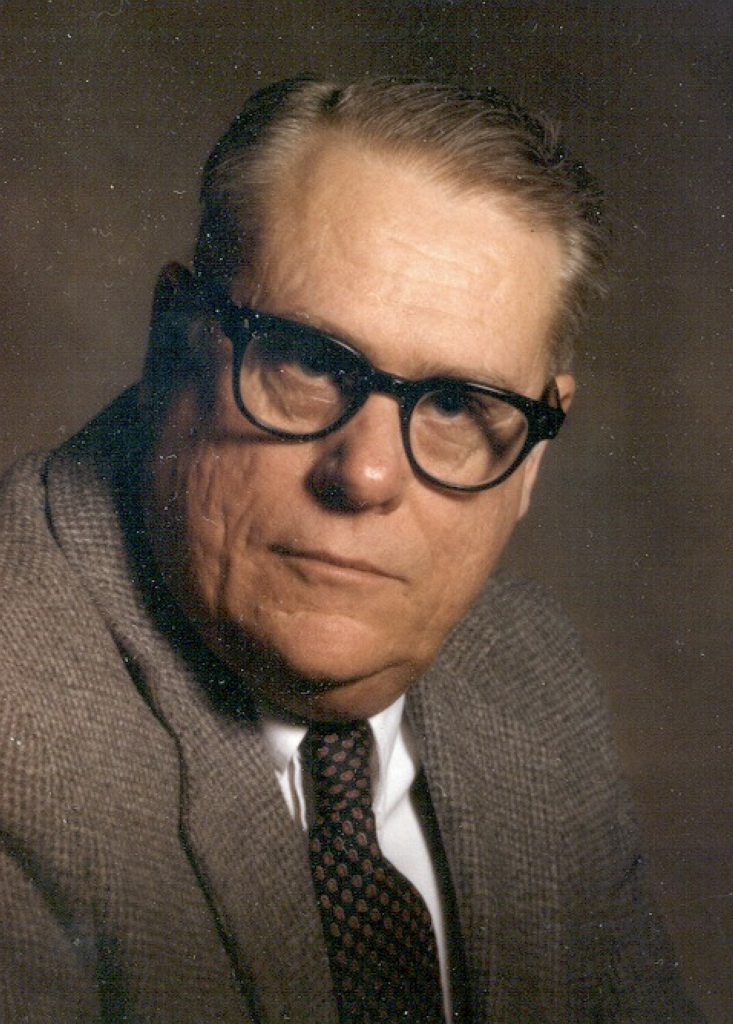
More than a week after JoAnn vanished, James spoke to a reporter from the Poughkeepsie Journal. He said JoAnn had called him on Christmas Eve morning, telling him she was safe and asking him to say hello to their two golden retrievers. When James pressed her on where she was, he claimed she hung up. He told the reporter:
“There’s no reason to assume she’s dead or alive, joined a group, or run off with some other man. There are a thousand possibilities. The pain is in not knowing.”
The police found no evidence that the call ever even happened.
James’s detached tone unsettled investigators. His account shifted depending on who he spoke to. He told detectives JoAnn might have run away because she “couldn’t cope” with the holiday season. He said she had found a new name, was at peace with God, and didn’t want to be found. He even claimed she had left her wedding ring behind.
Investigators placed James under surveillance. Weeks later, they discovered he was seeing another woman. When confronted with photographs, he responded coldly: “If you don’t have a warrant for my arrest, you can talk to my lawyer.” It was the last time he cooperated with police.
Despite mounting concerns, the investigation stalled. Without a body, weapon, or clear evidence of foul play, detectives could not obtain a search warrant for the Nichols home. Lt. Mittelstaedt later said:
“There was no doubt in my mind that he knew where his wife was. The man was cold. I mean, seriously cold.”
JoAnn’s family, friends, and colleagues refused to believe she had left voluntarily. They spoke of her devotion to her students and the fact that, despite her difficulties at home, she was not someone who abandoned her responsibilities. In desperation, they consulted psychics and hired a private investigator, but nothing brought them closer to answers. The case eventually grew cold, slipping out of public view.
James Nichols was never officially named a suspect, and with the Nichols home never fully searched, countless questions remained unanswered.
The Darkness of James Nichols
James ‘Jimmy’ Lutellus Nichols Jr. had always shown unusual behaviour. He grew up as an only child during the Great Depression in the small Delta hamlet of Alligator, Mississippi. The village took its name from the nearby oxbow lake where alligators were often seen. James was the son of a physician and came from a family of social standing.
A childhood acquaintance described James as “different,” noting that his family was not affectionate and that James himself lacked warmth. Another acquaintance described him as strange and extremely bright, adding, “You weren’t sure if it was intelligence or craziness.”
While other children played games outside, James preferred to stay indoors with his train set. As he grew older, he developed an obsession with cars, polishing them meticulously until they gleamed.
He had a girlfriend, but during games like musical chairs, he would pull the chair out from under her, causing her to fall. It showed a pattern of social inappropriateness that only became more pronounced in adulthood.
After JoAnn’s disappearance, James became increasingly reclusive. Neighbours described him as odd and emotionless. One neighbour who had lived nearby for sixteen years said, “I never really saw him that much. And when we did, he would just be out staring without saying hello or anything.”
Stories about James circulated throughout the neighbourhood. He was said to drive around with a mannequin dressed in a hat seated in the passenger seat. He was said to enter neighbours’ homes without knocking and rode his lawnmower around the neighbourhood with a trailer full of random items. In one disturbing incident, he killed an injured squirrel in front of a neighbour and her children using a hatchet, still dressed in his coat and tie from work.
James’s behaviour crossed into predatory when a female neighbour caught him photographing her with a long‑lens camera while she was painting her house wearing cut-off shorts.
His disturbing behaviour also led to him being banned from the nearby Perkins Restaurant when he was caught photographing the employees.
These behaviours solidified James’s reputation as an oddball and a loner. It was well known in the neighbourhood that most people avoided him.
The Long Silence
James filed for divorce on 13th March 1987, just thirteen months after JoAnn disappeared. He cited her absence as the grounds, but the process was never completed. Findings of fact and a judgment of divorce were submitted six months later, yet the judge never signed them, leaving the marriage legally intact. James continued his isolated lifestyle, rarely speaking publicly about JoAnn or their son, whom he mentioned only in passing.
As the years passed, the unresolved legal issues around JoAnn’s disappearance continued. Seven years after JoAnn went missing, she could have been declared legally dead. However, her family intervened, asking the local court to block the declaration. This decision left JoAnn’s legal status in limbo, effectively preventing the transfer of her share of the property to James and chaining him to the house.
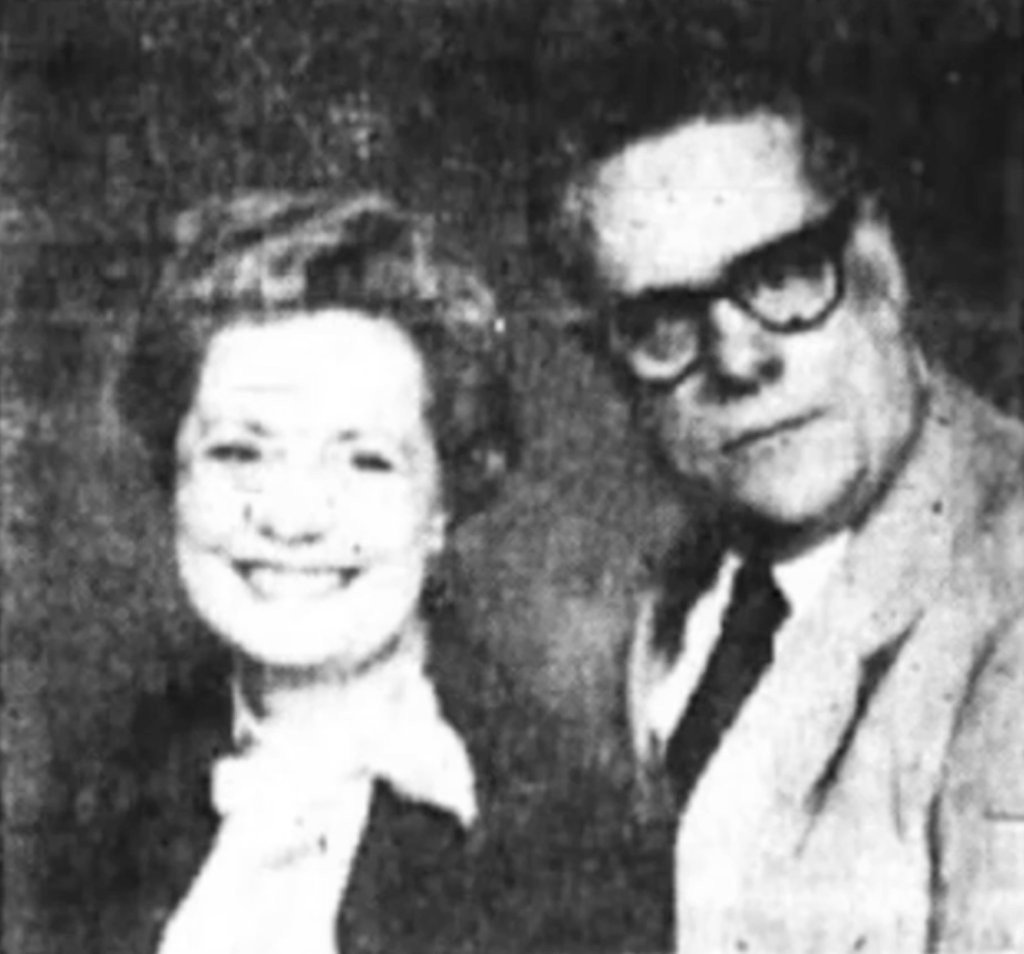
For nearly three decades, James retreated into the confines of his hoarded home. He rarely ventured out and gradually slipped from public attention.
Then, in December 2012, almost 27 years to the day after he reported JoAnn missing, James died from natural causes at the age of 82. He was found alone in his armchair in the house he had filled with decades’ worth of clutter.
No relatives stepped forward to claim James’s body. Because of that, Dutchess County oversaw his burial and took responsibility for managing his estate.
James was buried in an undisclosed location — his solitary burial a mirror of the secrecy and isolation he lived in.
However, James’s death marked a turning point. After nearly three decades of silence, the mystery surrounding JoAnn’s disappearance was finally about to be solved.
The Secret in the Basement
In 2013, a contractor was hired to clear out the cluttered home on Vassar Road. As the crew worked through the debris, they came across something no one expected. Amid the piles of possessions and debris, the team uncovered a concealed false wall in the basement. Behind the wall lay a sealed cylindrical barrel. When the barrel was opened, investigators found a garbage bag tightly bound with rope. Inside the bag were skeletal remains.
Forensic examinations later confirmed the remains were those of JoAnn Nichols, marking the tragic conclusion to the decades-old mystery.
The Dutchess County Medical Examiner’s Office identified JoAnn through extensive dental work, including a partial denture, which facilitated straightforward identification. Forensic analysis also revealed that she had died from blunt-force trauma to the head, with a large area of the right side of the skull missing, confirming the violent nature of her death.
Her hands were tied with rope, and her body had been placed intact in the container, which was meticulously insulated to suppress the odour of decomposition. The elaborate efforts to hide her body pointed to a deliberate and calculated attempt to obscure her fate. James Nichols’ actions demonstrated careful planning. The way her body was restrained and concealed made it clear her death was not accidental.
The discovery sent shockwaves through the local community. Neighbours, accustomed to James’s reclusive and eccentric behaviour, were horrified to learn that he had concealed JoAnn’s remains within the very home they had passed by daily. Many struggled to fathom how he had managed to live with such a dark secret for decades. Those who had long suspected his involvement in JoAnn’s disappearance found their fears tragically confirmed.
As workers continued to clear out the property, further unsettling discoveries came to light. The preserved remains of James’s two golden retrievers and the deceased pet cat were found in the freezer. These finds painted a disturbing picture of the isolated life James had created.
The Weight of Silence
James’s death finally revealed where JoAnn was, but the reason he killed her died with him. With no confession, no witnesses, and no surviving evidence beyond the concealed remains, the motive will never be known.
In the absence of answers, speculation grew. Some believed frustrations with James’s compulsive hoarding or his controlling nature may have played a role. Others wondered whether JoAnn had been contemplating leaving him, and a confrontation spiralled into violence. Her deep Southern Baptist faith, the grief of losing their son, and the strain within the marriage all formed possible threads — but none can ever be confirmed. The truth ended with James.
What is known is that JoAnn’s death was followed by an extraordinary act of concealment. Sealed within the walls of her own home, she remained undiscovered for nearly three decades. In what became her penultimate resting place, she was reduced to yet another possession by a man already consumed by hoarding. While her family searched for answers, James ensured she stayed beyond their reach, denying them the chance to grieve or lay her to rest.
The concealment reflected meticulous planning, but it also exposed systemic failures that allowed her disappearance to remain unsolved for so long. By the time JoAnn was finally found, James Nichols had already died peacefully, escaping any criminal accountability. For her loved ones, the discovery brought relief that she had been found, but also the painful knowledge that justice would never be served.
Detective Lt. Charles Mittelstaedt, who often drove past the Nichols home wondering whether JoAnn’s remains were hidden inside, shared that frustration. He later remarked:
“It’s a sin that he got away with it all these years. I probably shouldn’t say this because it’s not politically correct, but I hope he rots in hell.”
After nearly thirty years, JoAnn was finally returned to Louisiana, where she could be laid to rest. Yet the years stolen from her can never be restored. James’s actions did more than take her life; they deprived her family of decades of remembrance, denied her students and community the chance to honour her properly, and erased years in which her kindness, faith, and dedication might have continued to shape countless lives.
JoAnn deserves to be remembered not for the way she died, but for the way she lived. She was a devoted teacher, a woman of deep faith, and a cherished member of her community. Through the students she inspired and the lives she touched, her legacy endures long after the silence that kept her hidden was finally broken.
Sources
Find a Grave. JoAnn Miller Nichols.
Fox13. ‘Missing’ wife found behind fake wall in home 28 years later.
NBC New York. After Woman’s Remains Found, Detective Recalls Suspicious Husband.
New York Times. Answer to 1985 Disappearance Is Found in Home’s Wall.
New York Times. In Cluttered Home, a Dark Secret 3 Decades Old.
Sky News. Wife’s Body Found In Wall After Husband Dies.
USA Today News. Remains of N.Y. woman found in wall after 28 years.