In October 1975, the murder of 11-year-old Lesley Molseed marked the beginning of one of Britain’s most devastating miscarriages of justice. As investigators searched for her killer, their attention turned to Stefan Kiszko, a vulnerable young man whose life would be destroyed by a crime he did not commit. While the real killer remained free, a flawed investigation and wrongful conviction would have consequences stretching far beyond the courtroom. It was a case that demonstrated how devastating the consequences can be when the pursuit of a conviction takes precedence over the pursuit of truth.
Part 1: A Miscarriage of Justice
Background to Lesley Molseed’s Short Life
Lesley Susan Molseed was born on 14th August 1964 in Rochdale, Greater Manchester, growing up as the youngest child in a lively working-class household. Lesley lived on Delamere Road on the Turf Hill Estate with her mother, April, her stepfather, Danny, and her three older siblings. Her home was busy and close, and it was the sort of community where neighbours knew one another, and children played freely in the streets.

Lesley’s early life had been shaped by serious medical problems. She was born with a congenital heart defect and underwent life-saving open-heart surgery when she was 3 years old. She was physically very small and developmentally delayed. By the age of 11, she was under four feet tall and weighed only about three stone, giving her the appearance of a much younger child. Her mental age was estimated to be that of a 4-year-old, making her especially dependent on the adults around her.
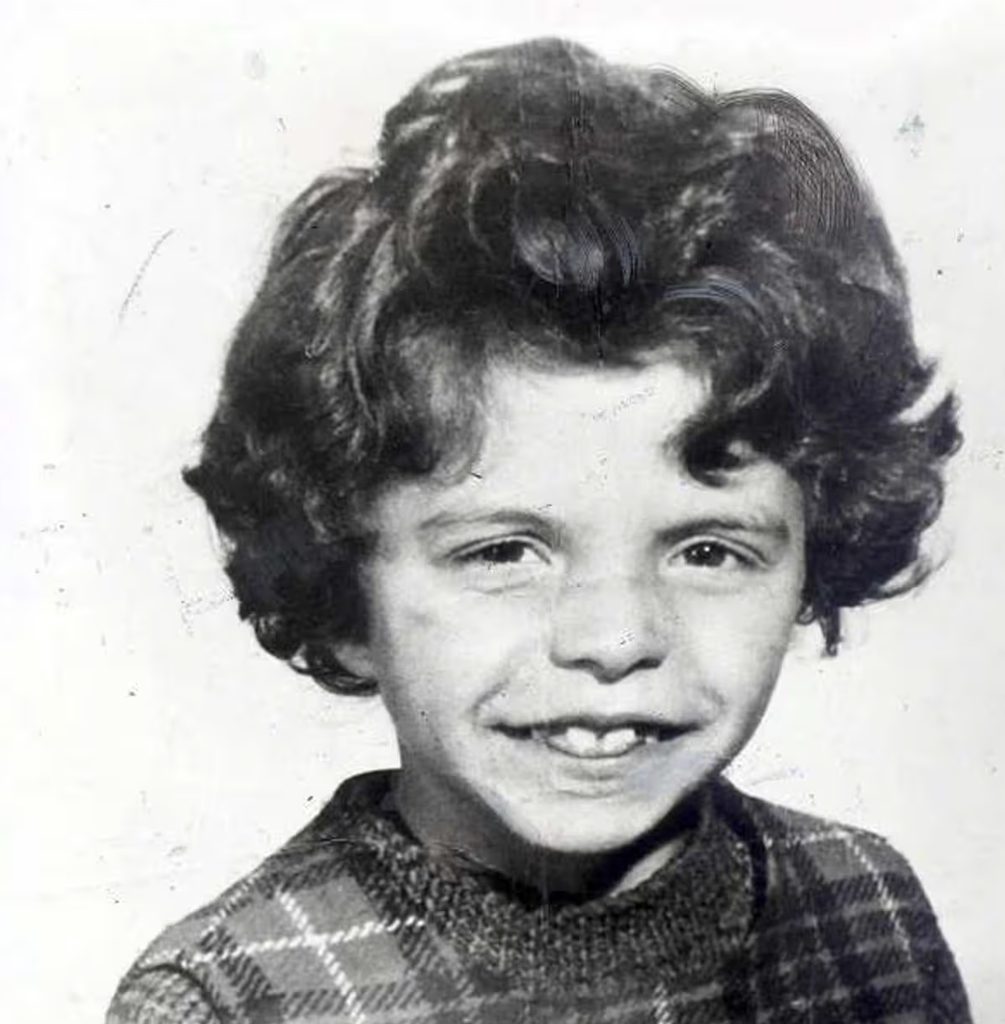
Despite these difficulties, Lesley was remembered as a gentle, affectionate, and cheerful little girl. At home she was known as ‘Lel,’ a nickname that reflected how loved she was within the family. She adored music and was devoted to the Bay City Rollers, a passion she shared with her sister Laura. The two often engaged in typical sibling squabbles over posters and memorabilia, with Lesley regularly ‘borrowing’ Laura’s posters to pin up in her own bedroom.
Her world was small and familiar. She was a vulnerable child, but she was surrounded by a loving family, helpful neighbours, and predictable routines. Nothing in her life hinted that this quiet little girl would later become the focus of one of Britain’s most tragic miscarriages of justice.
The Day Lesley Disappeared
Sunday, 5th October 1975, began as an ordinary day in the Molseed household, with the usual weekend mix of chores and family life. Lesley had spent the morning playing and helping her mother, April, with small tasks. Around lunchtime, April asked her to go to the local shop to buy bread and a can of air freshener. It was a simple errand, one Lesley had completed many times before. She enjoyed being trusted with small responsibilities, and the short ten‑minute walk to the shop was familiar to her.
Wearing a pleated pink skirt and her favourite stripey Bay City Rollers socks, Lesley put on her blue raincoat, tucked a £1 note in her purse, and set off along her usual route. The walk from Delamere Road to the shop was not long, and it took her through residential streets she knew well. Several people saw her on her way, recognising her distinctive clothing and her small, slight frame. Nothing about her behaviour suggested fear or hesitation. She was simply a child running an errand for her mother — until she wasn’t.
Lesley never came home.
When Lesley did not return within a reasonable time, her family initially assumed she had been delayed. Perhaps she had stopped to talk to someone, or maybe she had been distracted on the way. But as the minutes stretched into an hour, concern began to grow. April sent Lesley’s siblings, Laura, and then Fred, to check the shop on Ansdale Road and the surrounding streets. When they found nothing, Lesley’s stepfather, Danny, joined the search, walking the estate, calling her name, and checking alleyways, gardens, and communal areas. Still, no one had seen her, and there was no indication she had ever reached the shop at all.
As the afternoon wore on, worry turned to fear. By 3 pm, April contacted the police. Officers arrived quickly and began a systematic search of the estate. Witnesses confirmed she had taken a common shortcut via Stiups Lane, a narrow footpath lined by back fences. While secluded, it was a route frequently used by children on the estate. This was where Lesley was last confirmed to have been seen. No one, including the shopkeeper, recalled seeing her at the store. There were no signs of a struggle, no dropped belongings, and no witnesses who had seen or heard her in distress.
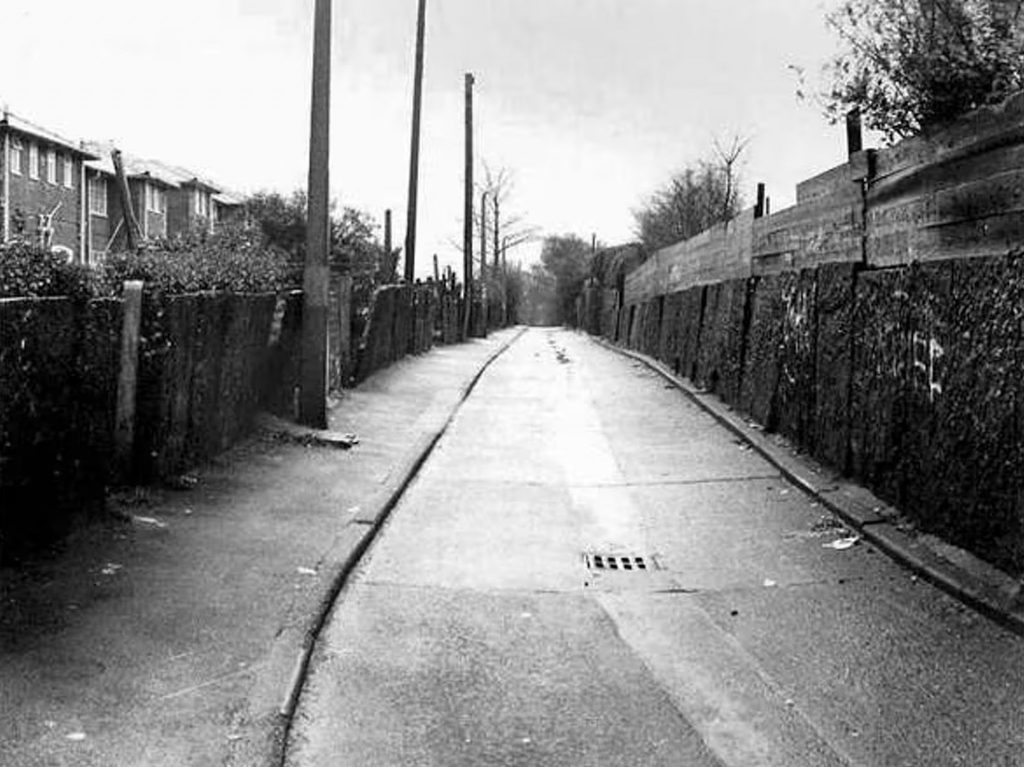
Police searched garages, sheds, parked cars, and abandoned houses in case Lesley had sought shelter. As daylight faded, the search widened beyond the estate boundaries into the nearby wasteland and open ground. The case was treated as a high‑priority missing child investigation from the outset. For a child as vulnerable as she was, the lack of any sign was deeply alarming.
By Monday morning, the search had intensified further. Police cars equipped with loudspeakers cruised the streets, urging residents to check sheds and outbuildings. Officers continued door‑to‑door enquiries, re‑interviewing witnesses and expanding the search area. For two days, the search continued with increasing urgency. Police dogs combed the estate on foot, while volunteers joined the search. The police questioned drivers, shopkeepers, and anyone who might have seen a small girl walking alone. Posters were printed and distributed, and dozens of volunteers helped search the wider neighbourhood. Still nothing was found. The search eventually extended across Rochdale and along the adjacent M62 motorway. They checked bus routes, nearby towns, and a helicopter was deployed to scan the surrounding moorland and open countryside.
Despite the scale of the effort, there were no sightings and no clues. The community remained on high alert. Parents kept their children indoors, and the absence of any news made the situation even more distressing. Lesley was not a child who wandered far or who would willingly go with a stranger. Her disappearance was completely out of character. As the hours turned into days, the silence was deafening, and everyone was fearing the worst: the possibility that she had been abducted.
The Discovery on Rishworth Moor
On the morning of Wednesday, 8th October 1975, three days after Lesley disappeared, the search came to a devastating end. The previous evening, a man named David Greenwell had pulled into a lay‑by along the A672 at Rishworth Moor to sleep in his car. When he woke at around 8 am, he stepped out and walked up the embankment to relieve himself. In the distance, he noticed what he first assumed was a bundle of discarded clothing. As he moved closer, he realised it was the body of a small child lying face down in the grass. A mop of curly brown hair spilled from beneath the hood of a blue raincoat. At her feet lay an empty navy-blue shopping bag, and nearby, an unzipped purse with no money inside. It was Lesley.
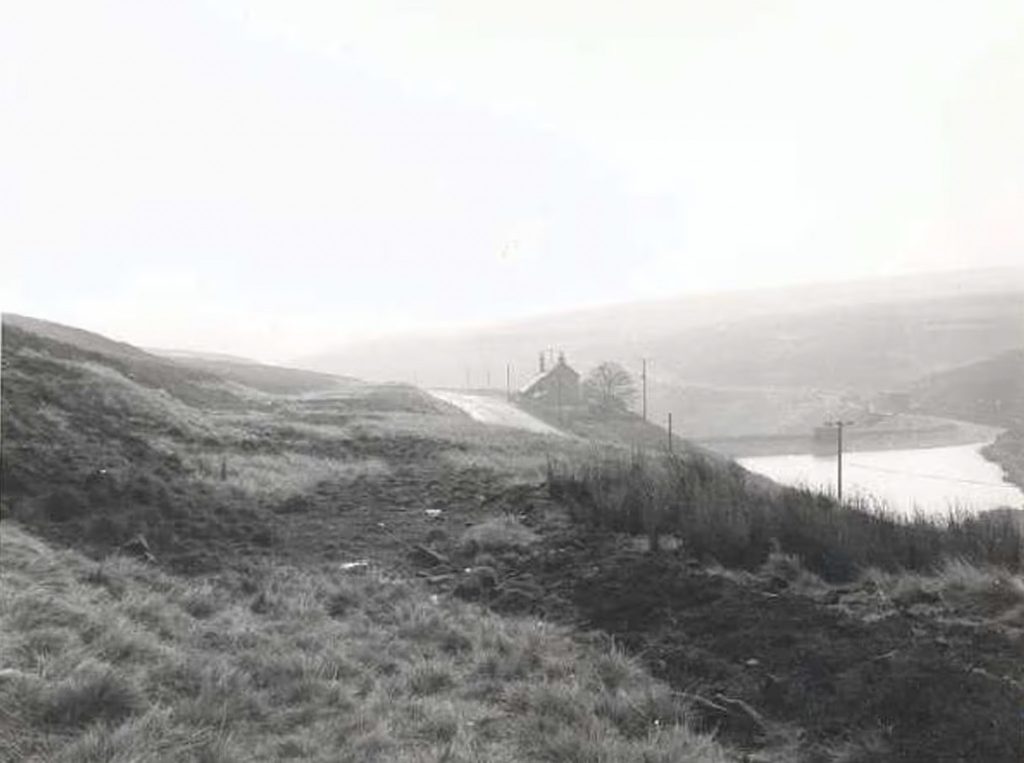
The police were notified immediately. Detective Chief Superintendent Jack Dibb and his deputy, Dick Holland, arrived at the scene. It quickly became clear that Lesley had been murdered. She had been stabbed twelve times from behind, with wounds concentrated on her neck, back, and shoulders. One was so deep it penetrated her heart. The lack of defensive injuries suggested a swift, overwhelming attack. A smear of blood on her left thigh suggested the killer had wiped the knife clean on her clothing.
Lesley was still wearing the clothes she had left home in. Semen staining was found on the outside of her underwear and skirt. Although there had been no penetrative assault, the attack was clearly sexually motivated. The semen sample was too small for reliable blood-group testing. DNA profiling did not yet exist in 1975, so investigators had no means of obtaining a DNA profile to compare with potential suspects. However, scientists were able to confirm that the semen contained spermatozoa (sperm heads), a detail that would later become crucial.
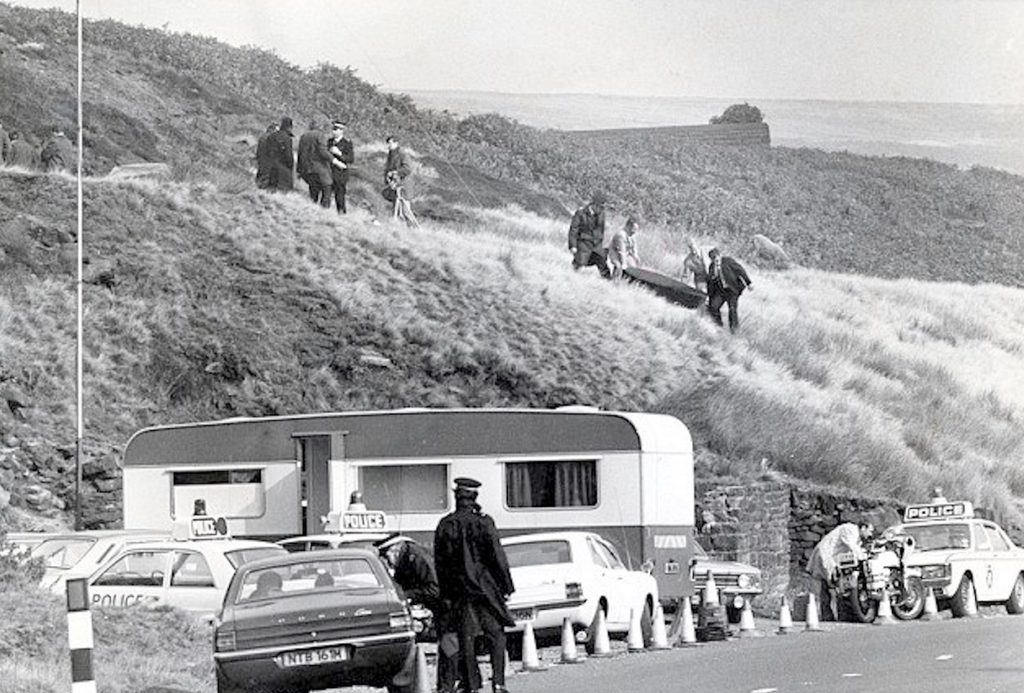
The location where Lesley was found was a remote, bleak stretch of moorland near Ripponden, around a twenty‑minute drive from Rochdale. The exposed terrain made it difficult to determine whether she had been killed there or transported after the attack, though investigators would later conclude the murder had taken place at the site. Forensic scientists were unable to establish an exact time of death.
The cold westerly wind sweeping across the moors made evidence collection challenging. With every gust, fibres and trace material risked being blown away. Adhesive tape was pressed against Lesley’s clothing to lift anything that might otherwise be lost. Two bright yellow wool fibres were recovered from her jumper, and an orange rayon fibre from her right sock.
The police also documented tyre tracks near the lay‑by and scoured the surrounding area, collecting anything that might prove relevant, including seemingly insignificant items such as discarded pens and scraps of rubbish. Unfortunately, no fingerprints or usable foreign blood evidence were recovered.
The murder of a vulnerable child sent shockwaves through the community. News spread quickly across Rochdale, and the atmosphere on the estate shifted from fear to grief and anger. The discovery ended any remaining hope and transformed the missing‑person search into a major murder inquiry.
The Investigation Begins
The investigation into Lesley Molseed’s murder was one of the largest ever mounted in West Yorkshire at the time, with more than 300 officers eventually assigned to the case.
Back in Rochdale, detectives began reconstructing Lesley’s final movements. They interviewed shopkeepers, neighbours, youth workers, and anyone who might have seen her that Sunday. Because Lesley was not a child who would talk to strangers, the police looked closely at those within her inner circle. Her biological father, Fred Anderson, had separated from her mother, April, years earlier, and while the Molseed household faced its own struggles with debt and alcohol, there was no evidence of foul play at home. Her stepfather, Danny, was formally noted as a precautionary suspect, but it was quickly determined that the family had no involvement in her disappearance.
One witness, Christopher Coverdale, came forward after hearing of Lesley’s death. He had driven past the lay-by at around 1:45 pm on the Sunday and seen a man on the embankment reaching down and pulling a young girl in a blue raincoat up by the hand. He described the man as a 30- to 35-year-old white male, between 5 ft 6 in and 5 ft 8 in tall. The man was wearing a mid-brown jacket with a check pattern, matching trousers, and a beige or mustard-yellow cardigan. The child did not appear distressed, and Coverdale assumed they were relatives stretching their legs. When detectives took him back to the scene, he pointed to an area close to where Lesley’s body had been found. This was a crucial lead because it provided a possible description of the perpetrator and a potential time frame against which other witness sightings could be assessed.
By mid‑October, the scale of the inquiry had grown again. Detectives reviewed mental‑health records, checked for recently released or escaped psychiatric patients, and examined crime reports across Greater Manchester to see whether Lesley’s killer might have attacked before. Leadership of the investigation then passed to Detective Superintendent Dick Holland, who renewed public appeals and began looking closely at reports of a man exposing himself around the Kingsway estate and Turf Hill in the days before Lesley disappeared.
On the evening of Friday, 3rd October 1975, several girls at the Kingsway Park youth club — including Catherine ‘Kitty’ Burke, Pamela Hind, and Debbie Brown — reported that a man had jumped out, opened his coat, dropped his trousers, exposed himself, and threatened them. This was their account recorded by the police at the time.
That same evening, the local milkman, Maurice Helm, had stopped to urinate in what he believed was a secluded spot. Some of the girls ran across him unexpectedly, shrieked when they saw his exposed penis, and fled. Helm later came forward, admitted what had happened, and the police accepted his explanation. It was embarrassing rather than sinister.
Before Helm identified himself, however, officers had already begun tying the youth‑club reports together. Other children present that night described a man loitering around the estate — sometimes in the shadows, sometimes near the club, sometimes by the road. Their recollections varied wildly: some thought he carried a knife, others mentioned a suspicious car, and the physical descriptions contradicted one another. Despite the inconsistencies, these sightings fed a growing belief that a local flasher was operating in the area.
A second significant incident occurred the following afternoon on Saturday, 4th October 1975. Two teenagers, Maxine Buckley and her friend Debra Mills, left the youth club and reported seeing a man in a green parka standing and staring at them. They told the police he opened his coat and exposed himself before running away. Maxine believed she recognised him, ran home, and told her mother. The police went to the house she identified, but no one was in.
The turning point came on Bonfire Night, 5th November 1975. Maxine was walking home when she saw a man approaching her in the dark, pulling faces and grinding his teeth. Terrified, she convinced herself he was the same man who had frightened her and Debra a month earlier. She ran home, and her mother drove her back around the estate. This time, the man she had pointed out was at home.
His name was Stefan Kiszko.
Maxine had misidentified Stefan as the man in the green parka who had frightened her weeks earlier. She was only 12, she was frightened, and she was trying to link two separate encounters that had happened a month apart. However, instead of treating her identification with caution, the police allowed the entire investigation to reshape itself around her mistake. Once Stefan was in their sights, every other lead, including the description of the man on the moor, was pushed aside.
Detectives had already convinced themselves that Lesley’s killer was also the local flasher. To support that theory, they treated the youth club reports and the milkman incident as part of the same pattern, committed by the same man. By merging these unrelated events into a single narrative, they created a composite offender who did not exist in reality but now appeared to exist on paper.
And because Maxine had identified Stefan Kiszko, he was placed at the centre of both strands. In the eyes of the inquiry, he was no longer just the man she had seen on Bonfire Night. He became the man from 4th October, and by extension, the man from 3rd October, and by extension again, and the man who had killed Lesley. Separate incidents were now treated as one continuous series, and Stefan was positioned as the common thread.
From this point on, Stefan Kiszko became the primary focus of the inquiry — a decision that would shape everything that followed.
The Wrongful Arrest of Stefan Kiszko
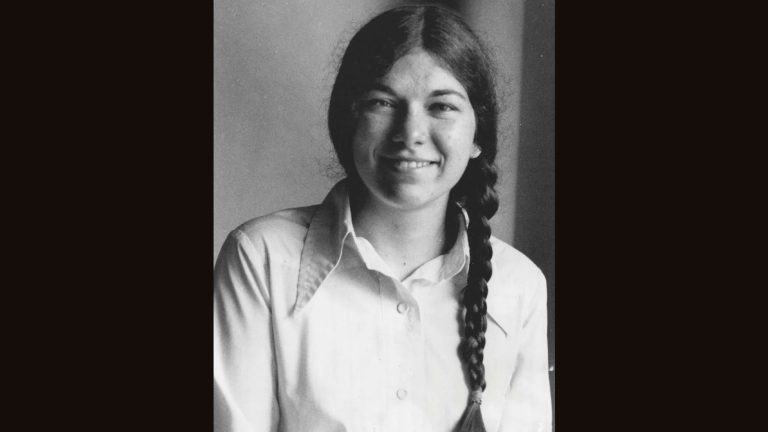
Stefan Iwan Kiszko was a tax clerk who lived nearby with his mother. He was born in 1952 to parents Ivan and Charlotte Kiszko, who had emigrated to the United Kingdom from Eastern Europe after the Second World War. Stefan had been a sickly child, suffering from chronic asthma and eczema, and he grew up socially isolated. He struggled to keep up physically with other children, missed long stretches of school due to illness, and never formed close friendships. Teachers later described him as a quiet, gentle boy who kept to himself. As an adult, he remained socially awkward and emotionally immature, with assessments showing he had the mental and emotional development of a young teenager.
His father had died five years earlier after suffering a heart attack in the street, collapsing at Stefan’s feet. Stefan was left living alone with his mother, and aside from her and his aunt, he had no real social life. Years of ill health had contributed to his isolation, and he avoided social activities, preferring to stay at home. In the community, he was seen as a harmless, slightly odd young man who always carried a bag of sweets in his pocket, which made him popular with local children but misunderstood by adults.
People did not understand Stefan or his disabilities; they simply saw him as strange. Stefan had learning difficulties and a limited understanding of the world, which made him especially vulnerable during questioning. Once Stefan’s name entered the investigation, confirmation bias took hold. Officers began interpreting everything about him through the lens of suspicion. His quiet demeanour, his solitary habits, and his learning difficulties were all seen as signs of deviance.
When the police searched his home and car, they found pornographic magazines, balloons, and sweets. These entirely legal and commonplace items were presented as evidence that he might have used them to lure a child. They also found a notebook containing meticulously recorded car registration numbers, which Stefan collected as a harmless hobby. Investigators interpreted this as evidence that he had been scouting vehicles or locations.
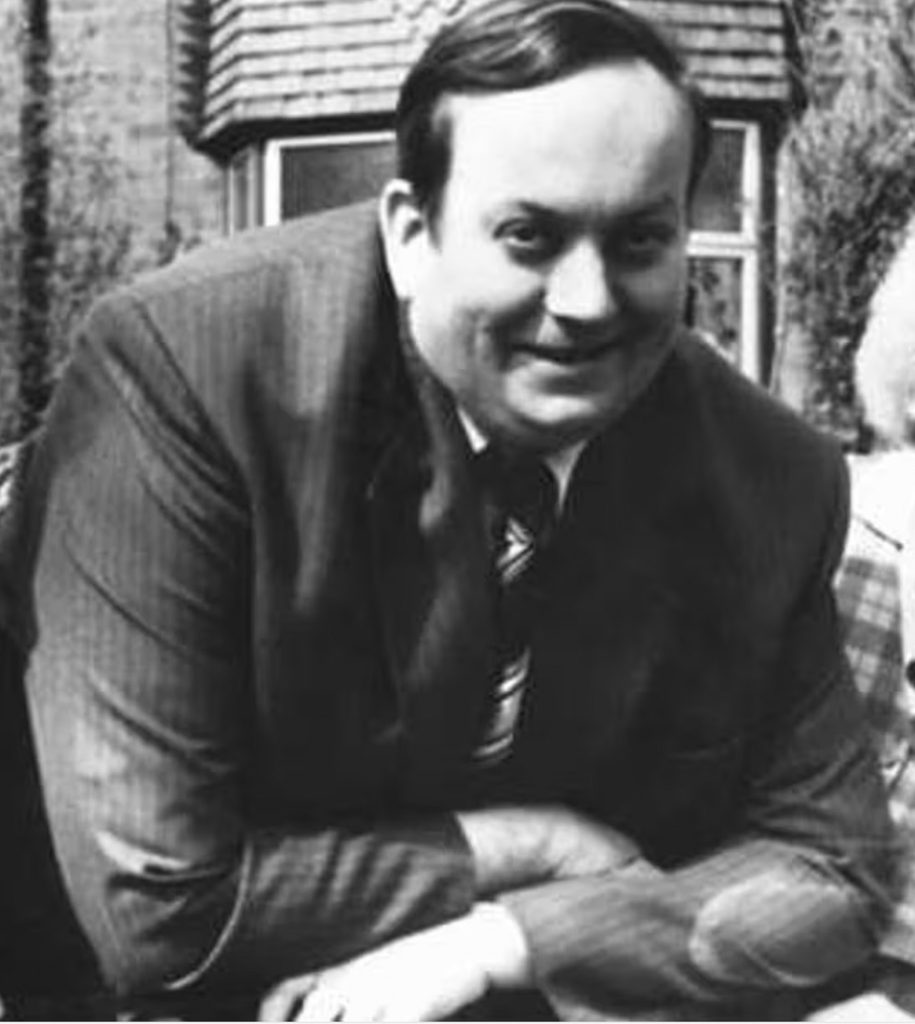
On 21st December 1975, less than three months after Lesley’s murder, the police arrested Stefan Kiszko. He was taken to Rochdale police station for questioning. He was questioned for three days without a solicitor present. He repeatedly asked for his mother, his only real source of emotional support, but his requests were denied. He was not properly cautioned, had only a limited understanding of his rights, and his learning difficulties made him vulnerable to suggestion. The protections we now take for granted under the Police and Criminal Evidence Act 1984 simply didn’t exist.
Stefan was also physically unwell. He suffered from hypogonadism, a condition that left him physically underdeveloped, and he required regular testosterone injections. In the weeks before his arrest, he had been receiving regular injections as part of ongoing medical treatment, and these left him drowsy, anxious, and mentally foggy, something he mentioned repeatedly during questioning. The officers knew he was undergoing treatment and that it affected his clarity at times, but they neither understood the full implications of his condition nor recognised it as a vulnerability. Whenever he became confused, contradicted himself, or struggled to follow their questions, they treated it as evidence that he was lying, rather than as a sign of his impaired state.
This mental “haze” was exploited to link Stefan to the series of flashing incidents that had occurred in the area. The police were convinced the killer and the flasher were the same person, and by first pressuring Stefan into a formal confession for these incidents, they effectively trapped him in the narrative of a sexual predator. With this ‘admission’ secured, they could then bridge the gap to the ultimate charge: Lesley’s murder.
Stefan was subjected to hours of leading questions, contradictions, and pressure. Officers fed him details of the crime — some of which had leaked within the police force — and when he repeated what he had heard back, they treated it as proof of guilt. When he didn’t know an answer, he said his memory was “hazy,” and the gaps were filled in for him. Each moment of confusion was used to increase the pressure, pushing him closer to saying whatever they wanted to hear.
During his questioning, he was even driven to the lay-by on the moors where Lesley’s body had been found. Under the intense strain of being at the scene, Stefan began to say he heard voices, a detail the police interpreted as a psychological breakthrough or a sign of his internal guilt. However, it was more likely a reflection of the immense psychological strain he was under after seventy-two hours of interrogation.
It was the week before Christmas, and Stefan believed that if he just cooperated, he would be allowed to go home. Under immense pressure, frightened, and desperate for the ordeal to end, Stefan eventually broke down and confessed to a murder he did not commit. He later retracted the confession as soon as he received legal advice. When asked why he had admitted to something he did not do, he explained,
“I started to tell these lies, and they seemed to please them, and the pressure was off as far as I was concerned. I thought if I admitted what I did to police, they would check out what I said, find it untrue, and would then let me go.”
But by then, the damage had been done. The investigation had become a single-minded pursuit of one suspect, and the police considered the case solved. They had a suspect, a signed confession, and a narrative that seemed to fit.
Stefan Kiszko was charged with Lesley Molseed’s murder on Christmas Eve 1975.
The Trial That Should Never Have Happened
When the trial began in July 1976 at Leeds Crown Court, Stefan struggled to understand the complex proceedings and appeared nervous, bewildered, and out of his depth. His awkward manner and limited social understanding were interpreted by the jury not as fear or vulnerability, but as signs of guilt. From the outset, Stefan insisted he was innocent, yet the trial unfolded in a way that made it almost impossible for him to defend himself.
The prosecution portrayed Stefan as a sexually deviant loner who had targeted a vulnerable child. To reinforce this, they relied on the indecent exposure allegations, including the testimony from the girls who had seen the milkman, Maurice Helm. The jury was never told that Helm had already come forward to explain the incident; instead, the prosecution presented these sightings as proof of Stefan’s apparently escalating sexual motive.
They relied heavily on Stefan’s confession, presenting it as a genuine admission rather than the product of intimidation, exhaustion, and a vulnerable man trying to appease authority figures. The jury never heard that Stefan had repeatedly begged for his mother, nor that he had no solicitor present, nor that he had retracted the confession at the first opportunity.
Even Stefan’s alibi, which should have protected him, was used as a weapon against him. His original account — that he had been at home with his mother on the afternoon Lesley disappeared — was simple and consistent. However, months of pressure, confusion, and repeated police questioning had muddled his recollection. By the time he reached the dock, he was testifying to a visit to Rochdale Cemetery that had actually happened a week later. The prosecution seized on this mistake, portraying a confused man’s memory lapse as a calculated, desperate lie.
With the jury primed to distrust him, the prosecution argued that Stefan had ample time to leave the house, drive to the moors, commit the murder, and return unnoticed. This theory was then anchored to what the police had claimed was definitive physical proof of his presence at the scene.
The evidence in question was a registration number found in Stefan’s car-spotting notebook. Detectives highlighted an entry written in red ink, claiming it had been noted down at the lay-by on the day of the murder. Because a car with that same registration had been reported near the scene, finding a match in the notebook provided the physical link the investigation needed. It was an entirely tenuous claim; the police had no proof of when Stefan had actually recorded the number, yet they presented the red ink as a guilty marker. In reality, there was no evidence to suggest the entry was anything more than a coincidence from his hobbyist’s log, but any innocent explanation was dismissed. The prosecution’s version was accepted because it fitted the narrative that the police had already committed to.
This pattern of turning the mundane into the incriminating continued with the forensic investigation. The prosecution desperately sought a biological link between Stefan and Lesley, but the results were entirely hollow. Forensic testing attempted to identify blood group secretor substances from semen stains found on Lesley’s underwear, but the tests were unsuccessful. While the police argued this didn’t prove innocence, the reality was stark: no blood, hair, or fingerprints tied Stefan to either Lesley or the crime scene.
Lacking a biological match, the prosecution relied on items that were merely consistent with Stefan’s life. A pen found near the body was presented as evidence simply because it was the same brand Stefan used at work, despite it carrying no fingerprints or biological traces to prove he had ever touched it. The link involving carpet fibres was even more tenuous. Investigators found yellow wool and orange rayon fibres on Lesley’s clothing which they matched to a mat in the footwell of Stefan’s car. This mat had been fashioned from a remnant of old stair carpet gifted to him by his aunt. Although these fibres were from a mass-produced household item and lacked any unique forensic profile, the prosecution framed them as proof that Lesley had been a passenger in Stefan’s car.
By the end of the trial, everyday objects had been dressed up as significant evidence to bridge the gap where real proof was missing. It was a case built on fragments and coincidences. Despite the weight of these claims, there was still nothing that could actually prove Stefan Kiszko had ever been in contact with Lesley Molseed.
However, the most egregious betrayal of justice occurred within the forensic evidence, which should have cleared Stefan immediately, but was instead catastrophically suppressed. While it was already known that Stefan had a medical condition called hypogonadism, which affected his development and for which he had been receiving regular testosterone injections before his arrest, the full forensic implications of his condition were only confirmed through medical reports prepared for the trial. These reports proved he had azoospermia, meaning he was medically incapable of producing sperm. However, the forensic analysis of Lesley’s clothing showed the presence of spermatozoa (sperm heads). Since Stefan suffered from azoospermia, he could not have been the source. The killer was a fertile man; Stefan was not. This single physical fact should have ruled Stefan out as the killer entirely.
At the time of the 1976 trial, the specific fact that the semen found on Lesley’s clothing contained sperm heads was withheld not only from the defence but also from the judge and the jury. The original laboratory notes made by the senior forensic scientist, Ronald Outteridge, had confirmed the presence of spermatozoa, yet he omitted this detail from his formal witness statement, which used the vague term ‘semen’ instead. This omission meant the defence was never aware that the biological evidence physically excluded Stefan Kiszko. By keeping this scientific exclusion hidden, the prosecution deprived the defence of evidence that could have cleared Stefan, allowing a false confession to remain at the centre of a case built around a conclusion investigators had already reached.
Anticipating that the defence might eventually realise the significance of the semen, the prosecution launched a ‘pre-emptive strike’. They aimed to plant seeds of doubt and provide alternative explanations before any difficult questions could be asked. When the samples were finally addressed in court, the prosecution’s explanation was as desperate as it was disgraceful. They suggested to the jury that the sperm might have come from a previous sexual encounter involving Lesley and another man. This claim was deeply offensive given that Lesley was only 11 years old. As a backup, they also hinted that the semen could have resulted from laboratory contamination. By offering these theories, they turned a scientific exclusion into a smear on a child’s character. This ensured that the confession extracted from Stefan remained the centrepiece of their case, effectively insulating the jury from the one piece of evidence that proved his innocence.
Stefan’s own defence team then compounded the damage by pursuing a diminished responsibility argument, something Stefan had not agreed to. Rather than fighting for his total innocence, they went along with the idea that he may have murdered Lesley, but suggested it may have been because his hormone treatment impaired his control.
This was medically baseless and ludicrous, coming from the team supposed to be defending Stefan. His endocrinologist could have stated that testosterone therapy did not cause violent or sexual behaviour, but was never called to testify.
The defence’s strategy left the jury with the impression that even Stefan’s own legal team believed he might be guilty. It played directly into the prosecution’s portrayal of him as unpredictable and dangerous, and it undermined the most important truth in the courtroom: Stefan had not committed the crime.
On 21st July 1976, after five and a half hours of deliberation, the jury returned a majority verdict of 10-2: guilty. Stefan was sentenced to life imprisonment. The judge praised the police for their work and commended the officers involved. He also praised the teenage girls who had claimed Stefan had exposed himself, describing them as brave and honest.
Some members of Lesley’s family expressed anger and called for severe punishment, reflecting the belief at the time that the right man had been caught. But the truth was that an innocent man had been convicted on the basis of lies, flawed forensic interpretation, and a confession extracted under duress. The real killer remained free, and the justice system had committed one of the most devastating miscarriages of justice in British history.
Life in Prison
Stefan entered the prison system as a man with the mental age of a child, with no understanding of what awaited him. From the moment he arrived, Stefan was placed in protective custody, but even that did not shield him from the hostility of other inmates. Word had spread quickly about the nature of his conviction, and he became a target for abuse, threats, and violence. He was repeatedly punched, kicked, and spat upon, and received constant death threats. On one horrific occasion, he was struck so hard with a mop handle that he required seventeen stitches in his head.
Stefan struggled to comprehend why this was happening. He had lived a quiet, sheltered life with his mother, and the sudden transition to a hostile, regimented environment was overwhelming. He was frightened, confused, and deeply distressed. His learning difficulties made it hard for him to understand the rules and routines of prison life, and he often appeared withdrawn or anxious. As the years passed, Stefan’s mental health deteriorated. He became increasingly isolated, spending long periods alone in his cell. He developed symptoms of severe depression and psychosis, including delusions and hallucinations. He struggled to sleep, lost weight, and became emotionally unstable.
Throughout his time in prison, Stefan never wavered in his insistence that he was innocent. He tried to explain his situation to anyone who would listen, but his pleas were often dismissed as the desperate claims of a guilty man. Three years into his sentence, he launched an appeal, but this was dismissed. Lord Justice Bridge said,
“We can find no grounds whatsoever to condemn the jury’s verdict of murder as in any way unsafe or unsatisfactory.”
Stefan’s continued protestations of innocence were increasingly labelled by the authorities as further evidence of delusional thinking.
Over the years, he was moved between several prisons, including Gloucester, Bristol, and the specialist Grendon Prison. In 1988, he was urged to enrol in a sex offenders’ treatment programme. These programmes required prisoners to admit guilt and discuss their offences in detail. He refused, choosing to remain behind bars rather than confess to a crime he had not committed. His refusal was interpreted as a lack of remorse and a sign that he remained a danger to the public, and he was returned to Wakefield.
In 1990, Stefan was told that his first parole hearing would take place in December 1992, but he was informed that release would only be considered if he admitted to the murder and convinced the Parole Board he was not a danger to children. But he continued to protest his innocence, and his mental health deteriorated further.
By March 1991, after years of delays and repeated recommendations that he receive psychiatric care, he was finally transferred to Ashworth Hospital, a high‑security psychiatric facility, under the Mental Health Act. Ashworth offered a more therapeutic environment, but the damage had already been done. He had developed diabetes, had severe depression, and was physically and emotionally shattered. Almost sixteen years in prison for a crime he could not have committed had left him physically and psychologically broken.
A Mother’s Fight for Justice
Charlotte travelled long distances to visit Stefan, witnessing firsthand his physical and mental decline. Each visit left her heartbroken, but it strengthened her resolve. From the moment the jury had convicted him, Charlotte refused to accept it. She had been with him on the day Lesley disappeared, and she knew his gentle, naïve nature better than anyone. The idea that he could have committed such a brutal crime was unthinkable to her. Charlotte knew Stefan could not fight for himself, so she dedicated the rest of her life to fighting for him, beginning a determined campaign to prove that her son had been wrongfully imprisoned.
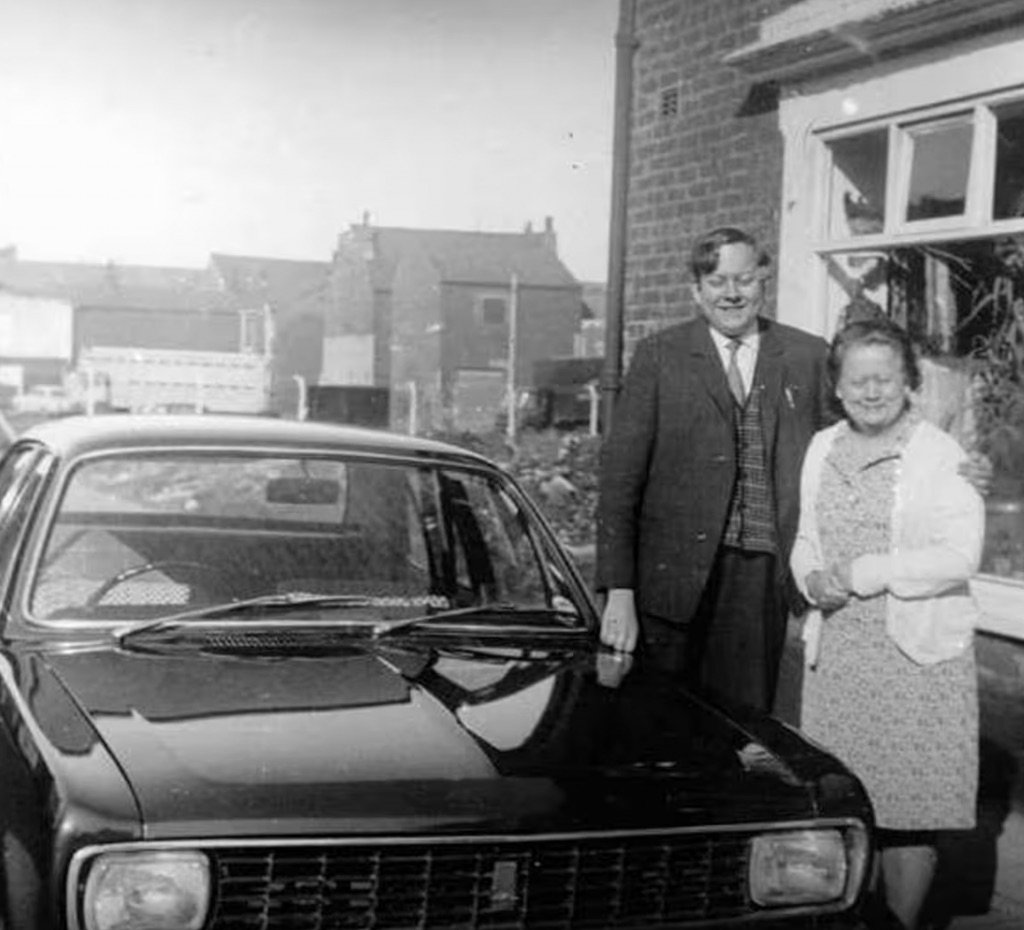
She was a quiet, unassuming woman, but her determination was extraordinary. She wrote to anyone she believed might help. She approached her local MP, Sir Cyril Smith, but he ignored her pleas. She wrote to Prime Minister James Callaghan and later to Margaret Thatcher, but neither intervened. She contacted journalists, solicitors, and organisations that supported victims of miscarriages of justice, hoping that someone would listen. Most of her letters went unanswered. Others received polite but dismissive replies. The case had been hailed as a police success, and few people were willing to question it.
Despite the lack of progress, Charlotte never gave up. For years, she campaigned alone, until 1984, when she contacted the human rights organisation JUSTICE. This proved to be the turning point. JUSTICE reviewed the case and immediately recognised serious concerns about the evidence used to convict Stefan. They believed the forensic findings, the confession, and the police investigation all required urgent re‑examination. Their involvement finally gave Charlotte the support she had been denied for so long. After years of carrying the truth alone, she finally had others carrying it with her.
The Reinvestigation: Dismantling the Lie
In 1987, solicitor Campbell Malone agreed to take on Stefan’s case. Working alongside Philip Clegg, who had been the junior defence counsel at the original trial, and private investigator Peter Jackson, the team began reviewing the evidence and the circumstances of the original investigation. The truth became impossible to ignore. Evidence that should have protected Stefan had been overlooked, misunderstood, or suppressed. Over the next few years, they compiled their concerns into a detailed petition for the Home Secretary, which was submitted in 1990. And finally, after considerable pressure, the case was reopened in February 1991.
The case was then handed to Detective Chief Superintendent Trevor Wilkinson of West Yorkshire Police. Wilkinson approached the reinvestigation with professionalism and objectivity, examining the case afresh and without the assumptions that had shaped the original inquiry. Between the work of Malone’s team and the findings of the police review, a series of systemic failures and hidden evidence began to surface.
The confession, which had been the centrepiece of the original 1976 case, was revealed to be a hollow shell. Stefan had been subjected to three days of relentless, oppressive questioning, facing hundreds of leading questions designed to trap him.
Wilkinson discovered that the ‘guilty knowledge’ the prosecution relied on — details supposedly only the killer could have known — was a fabrication. These details hadn’t come from Stefan’s memory; they had been fed to him through the police’s own leading questions or overheard by Stefan as officers discussed the case within earshot in the station. Furthermore, Wilkinson pointed out that when Stefan wasn’t being prompted, his answers were factually impossible, proving he had no actual knowledge of the crime scene. The confession wasn’t a breakthrough. It was an echo of the police’s own theory, forced into the mouth of a man who just wanted to go home to his mother.
A significant discovery by the 1991 reinvestigation team involved a massive bundle of evidence comprising thousands of pages that the prosecution had served to the defence on the very morning the trial began. Overwhelmed by the volume of paperwork, the defence failed to ask for an adjournment to review it.
However, buried deep within that pile was a crucial statement from Maurice Helm, a local milkman. Helm was the man at the centre of the youth club ‘flashing’ incidents, events the original investigation had used to paint Stefan as a sexual predator, and to which some of Stefan’s coerced confessions referred. The reinvestigation revealed that Helm had actually gone to the police before the 1976 trial to explain that the girls had merely seen him innocently urinating. Although the police had investigated and cleared Helm, they never drew the defence’s attention to his statement. Had Stefan’s lawyers found this ‘needle in the haystack,’ they could have provided an innocent explanation for the sightings and proven that the girls had misidentified Stefan from the start.
Investigators also discovered that Stefan did not own the green parka described by Maxine Buckley and Debra Mills following the incident on 4th October 1975. Furthermore, a longstanding leg injury meant he was physically incapable of running from the scene in the manner they had described.
The women who were involved in the flashing allegations were reinterviewed in 1991 and admitted they had lied or exaggerated their accounts. Maxine Buckley told them that she knew Stefan Kiszko and that he had not been the man involved in the earlier sightings. Catherine Burke acknowledged that she had never seen a man expose himself and had not heard any threat. Pamela Hind admitted that she had not seen the man’s penis and had simply repeated what others had said. Debbie Brown also admitted she had lied along with her friends, later reflecting:
“As a young girl, I had a vivid imagination and frequently made up stories about things.”
Catherine Burke and Pamela Hind were cautioned by the police for making false statements to the authorities.
The chain of incidents used to brand Stefan Kiszko a ‘local flasher’ was completely dismantled. What was presented to the jury as a pattern of predatory behaviour was, in reality, a tragic mixture of misunderstandings, schoolgirl exaggerations, and a deliberate failure by the authorities to disclose the truth.
The most devastating discovery came when investigators finally looked at the original forensic lab books from 1975 — records the defence had never seen. In those handwritten notes, Ronald Outteridge had clearly recorded the presence of spermatozoa (sperm heads). To confirm this, the 1991 team had a new forensic scientist, Peter Martin, re-examine the original microscope slides from the 1975 investigation. He confirmed that the sperm heads were clearly visible, as they had been for sixteen years. The police and the prosecution had always known Stefan’s medical condition meant he produced no sperm, but had sat on this evidence for over a decade. They knew before the trial that the biological evidence excluded Stefan, yet they allowed him to remain imprisoned, subjected to beatings and psychological deterioration, rather than reveal the truth.
The reinvestigation also systematically dismantled the smaller pieces of circumstantial evidence that had been used to trap Stefan. One of the most glaring failures involved the red ink car registration found in his notebook, which the police claimed proved he was at the lay-by. The 1991 team traced the vehicle’s previous owner and discovered it had regularly been parked in the same car park Stefan used for his work. It was simply another example of Stefan’s habit of noting down cars that bothered him, recorded long before Lesley was even missing.
The physical impossibility of the prosecution’s timeline was further confirmed by medical experts who had been ignored in 1976. Stefan’s GP, Dr D’Vaz, told the reinvestigation team that Stefan’s mobility was severely limited due to a broken ankle sustained just a year before the murder. He stated that he had never been asked by the original investigators about Stefan’s ability to climb the steep embankment where Lesley was found. Had he been called to testify, he would have told the jury that the prosecution’s version of events was physically impossible for a man in Stefan’s condition.
Equally damaging was the silence of Stefan’s hormone specialist. During the original trial, the prosecution had portrayed Stefan’s testosterone injections as a trigger for sexual aggression. The 1991 investigation confirmed that the specialist could have easily debunked this as medically baseless. Not only would this have undermined the prosecution, but it would have also stopped Stefan’s own defence team from pursuing their disastrous and unapproved argument of diminished responsibility.
Finally, Trevor Wilkinson’s team looked at the witness accounts that had been buried or served too late. They found a description from Christopher Coverdale, the only eyewitness who had seen a man with a child on the moor that day. The man described was significantly shorter than Stefan, a detail that should have immediately directed police attention elsewhere.
By 1991, it was clear that every safeguard intended to protect the innocent had been bypassed to secure a conviction at any cost. What had been presented as a strong case against Stefan had collapsed under scrutiny, and the evidence now pointed in only one direction: he could not have been the killer.
On 17th February 1992, the Court of Appeal heard the new evidence. The hearing was brief, lasting less than an hour. Usually, an appeal of this magnitude would involve days of complex legal arguments, but the evidence uncovered by the 1991 reinvestigation was so undeniable that the Crown Prosecution Service did not offer any opposition.
The judges accepted that Stefan could not have been responsible for Lesley’s death. Lord Chief Justice Lane stated plainly,
“It has been shown that this man cannot produce sperm. This man consequently cannot have been the murderer.”
The conviction was quashed, and Stefan was ordered to be released immediately.
Charlotte had won. After sixteen years of wrongful imprisonment, 40‑year‑old Stefan Kiszko was finally a free man. However, the man who walked out of the Royal Courts of Justice was a shadow of the person who had entered prison in 1976. The years of abuse, the lack of proper medical care, and the sheer weight of the false accusation had left him a shell of the man he once was.
He was taken back to the hospital for further psychiatric treatment. It would be twelve weeks before he was finally strong enough to return home.
Aftermath: Freedom Came Too Late
The public reaction to Stefan’s exoneration was a mixture of shock, sympathy, and anger. An innocent man had been imprisoned for a crime he did not commit, while the real killer had remained free for more than sixteen years. The case raised serious questions about police conduct, forensic reliability, and the treatment of vulnerable suspects. Newspapers condemned the failures that had led to Stefan’s conviction, and commentators called for accountability.
In 1994, it looked as though the accountability people called for might happen when Detective Superintendent Dick Holland, who had led the original murder inquiry, and Ronald Outteridge, the lead forensic investigator, were charged with conspiracy to pervert the course of justice for suppressing evidence that could have cleared Stefan. However, in a final insult to the Kiszko family, the proceedings were stayed in 1995. The court ruled that the passage of time made a fair trial impossible — an ironic justification, considering the sixteen years Stefan had spent waiting for his own version of fairness.
For Lesley Molseed’s family, the exoneration was a second trauma. For sixteen years, they had lived with the certainty that her killer was behind bars. Now, they had to face the reality that the real monster had been free all along.
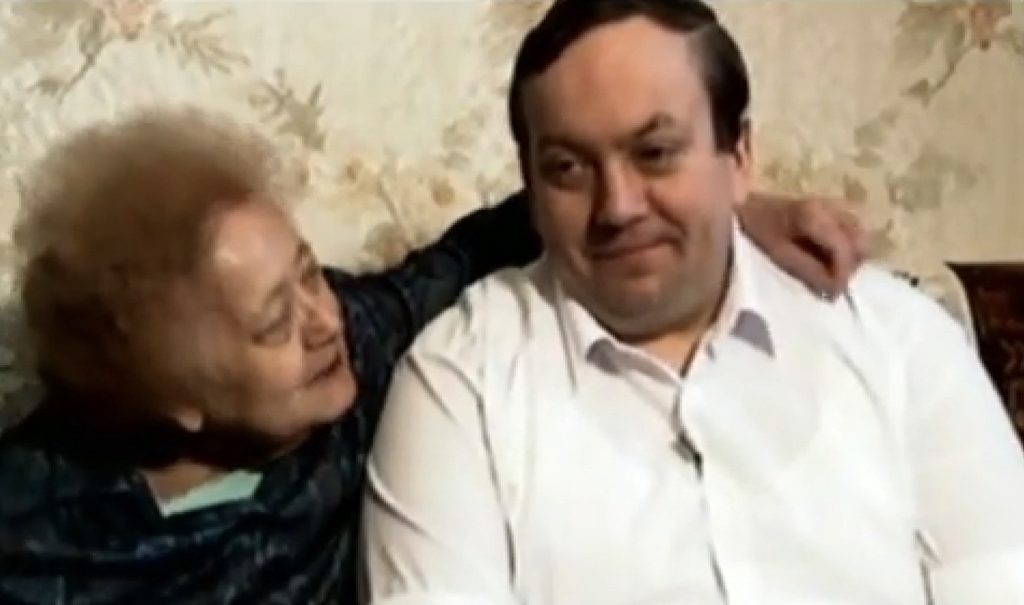
For Stefan and Charlotte, their priority was simply trying to rebuild a life that had been stolen from them. When Stefan finally returned home, his bedroom had been kept exactly as he had left it in 1975 — a quiet act of hope on Charlotte’s part. Waiting for him were hundreds of letters from supporters around the world; people who had followed his case, believed in his innocence, and wanted him to know he had not been forgotten.
But the damage done by sixteen years of wrongful imprisonment was irreversible. He found it difficult to trust people, and even the kindness of strangers overwhelmed him when he had spent so long being treated as a monster.
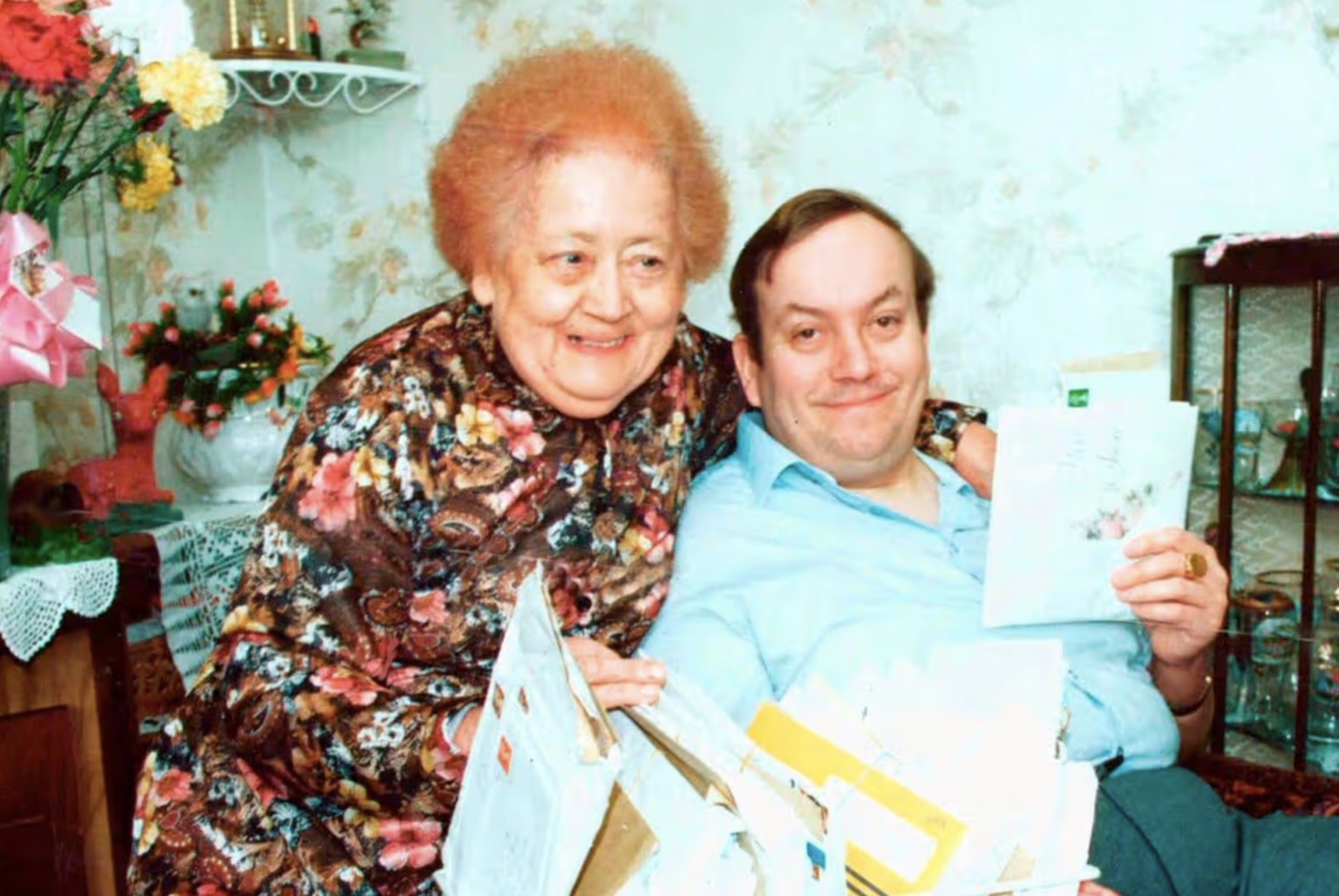
Stefan did his best to remain hopeful and reclaim the opportunities he had missed. He spoke of marriage, holidays, and the chance to see the world. “I want to go to Australia to enjoy myself, and maybe America as well, and have a good time,” he said.
Though compensation of around £500,000 was eventually agreed, the legal process was slow, and he only ever received an interim payment. He would never see the full amount: on 23rd December 1993, less than two years after his release, Stefan died of a heart attack at the age of 41. Stefan would never get to do the things he dreamed of. The system had cleared Stefan’s name, but it had also cost him his life.
Charlotte, the woman whose tireless love had moved mountains, died just four months later, in early 1994. She had spent sixteen years fighting to bring her son home, only to lose him a mere twenty-two months after his release. The year before her death, Charlotte’s tireless campaigning had been formally recognised when she was named Rochdale Woman of the Year. Without her persistence, Stefan would almost certainly have died in prison, his innocence never recognised.
Charlotte and Stefan are buried together in Rochdale Cemetery. Their graves stand as a testament to a mother’s unwavering love and a son’s unimaginable suffering.
Neither lived to see the real killer identified.
Part 2: The Path to Justice
Back to Square One
When Stefan Kiszko’s conviction was overturned in 1992, the question of who had murdered Lesley Molseed returned to the same place it had been in October 1975: back to square one. The reinvestigation that had cleared Stefan exposed the failures of the original inquiry, but it had not identified the real killer.
In the years immediately after Stefan’s release, the Molseed family pushed for known offenders in the area to be investigated, including Raymond Hewlett, a notorious child sex offender who would later become a suspect in the Madeleine McCann case. Detective Chief Superintendent Trevor Wilkinson continued to pursue lines of enquiry, but with the forensic limitations of the early 1990s, nothing could be conclusively proven. The case remained open but made little progress. Without modern DNA profiling, detectives simply did not have the tools they needed.
It was not until the early 2000s that the murder inquiry was formally relaunched as a cold case and handed to Detective Chief Superintendent Max McLean of West Yorkshire Police. McLean approached the case with a determination to avoid the mistakes of the past. The first step was to review every piece of evidence collected in 1975, examining it with fresh eyes and modern forensic techniques. The original investigation had been shaped by pressure, bias, and flawed assumptions. McLean’s team aimed to rebuild the case from the ground up, focusing on evidence rather than theories.
One of the most significant developments was the advancement of forensic science. In 1975, DNA profiling did not exist. By the early 2000s, it had become a powerful tool for identifying suspects and excluding the innocent. Detectives hoped that the semen found on Lesley’s clothing might now identify the real killer, but when they attempted to send the clothing for testing, they discovered it had been destroyed in 1985, ten years after the murder. No one imagined the evidence would ever be needed again.
Fortunately, not everything had been lost. Two small pieces of adhesive tape used in 1975 to lift fibres from Lesley’s clothing on the hillside had been stored separately and survived. These overlooked tapings were sent for modern forensic testing. Because the strips were so fragile and the testing process would destroy them, forensic scientists had only one chance to get it right with each one. If the tests failed, the evidence was gone forever. Thankfully, scientists did find semen on them and were able to obtain a full DNA profile of the perpetrator. For the first time, the police had a genetic fingerprint of Lesley’s killer.
The profile was circulated through the UK National DNA Database and sent to Interpol to be checked against international records. No matches were found. Despite a global search, the killer remained unknown. This meant that even if the perpetrator had previous convictions, they may have predated DNA profiling or occurred before routine DNA collection was introduced. However, the existence of the profile meant that the case was no longer dependent on eyewitness testimony, confessions, or circumstantial evidence. The truth was now encoded in a scientific record that would be far harder to manipulate or misinterpret.
With the DNA profile in hand, McLean’s team revisited the physical evidence collected from the crime scene. Advances in forensic technology allowed for more detailed analysis of fibres, soil samples, and other trace materials. They looked again at the sightings of Lesley on the day she disappeared, the vehicles seen in the area, and the people who had been on or near Stiups Lane. They re‑examined the original witness statements. They tracked down individuals who had moved away and examined records that had been overlooked in 1975. The passage of time made the case more challenging. Memories had faded, witnesses had died, and physical evidence had deteriorated, but the DNA profile remained a constant scientific anchor that time could not erode.
The Molseed family, still grieving and still processing the revelation that Stefan had been innocent, cooperated fully with the new investigation. They wanted answers, and they wanted justice. The knowledge that the real killer had been free for more than sixteen years was a heavy burden. But with the new DNA profile, many of the men they had long suspected, including Hewlett, were quickly ruled out. The investigation progressed slowly but steadily. As the years passed, the case remained open and the DNA profile was checked regularly against new entries in the national database, but no matches were found.
Then, in October 2005, the breakthrough everyone was desperate for finally arrived. It followed the arrest of Ronald Castree in Oldham, just seven miles from Rochdale. He had been detained following an allegation made by a sex worker. The law had recently changed, allowing DNA samples to be kept from anyone arrested for a recordable offence. Although he was never charged for that specific incident, his DNA was taken and entered into the national database.
It matched the DNA from the Lesley Molseed case.
After thirty years, the hunt for Lesley’s killer had finally reached its end.
The Crimes of Ronald Castree
Ronald Castree was born on 18th October 1953 in Littleborough, Greater Manchester, and lived in and around the Rochdale area his entire life. He was the only child of Eric and Marjorie Castree. His mother doted on him, believing he could do no wrong, while his father was the opposite: critical, bullying, and emotionally abusive.
In 1973, 19-year-old Ronald met 16-year-old Beverley, and they married soon after. Two years later, Beverley gave birth to a son, Jason. Although Jason was the result of an affair and not Ronald’s biological child, Ronald agreed to raise him as his own.
Just days after Jason’s birth, Beverley developed deep vein thrombosis and was admitted to hospital on 3rd October 1975. She remained there for about a week. Two days after she was admitted, 11‑year‑old Lesley Molseed disappeared and was murdered. It is believed that Castree encountered Lesley while travelling to visit his wife in hospital. Beverley had no idea what her husband had done, and because the police quickly focused on Stefan Kiszko, Castree slipped beneath the radar entirely.
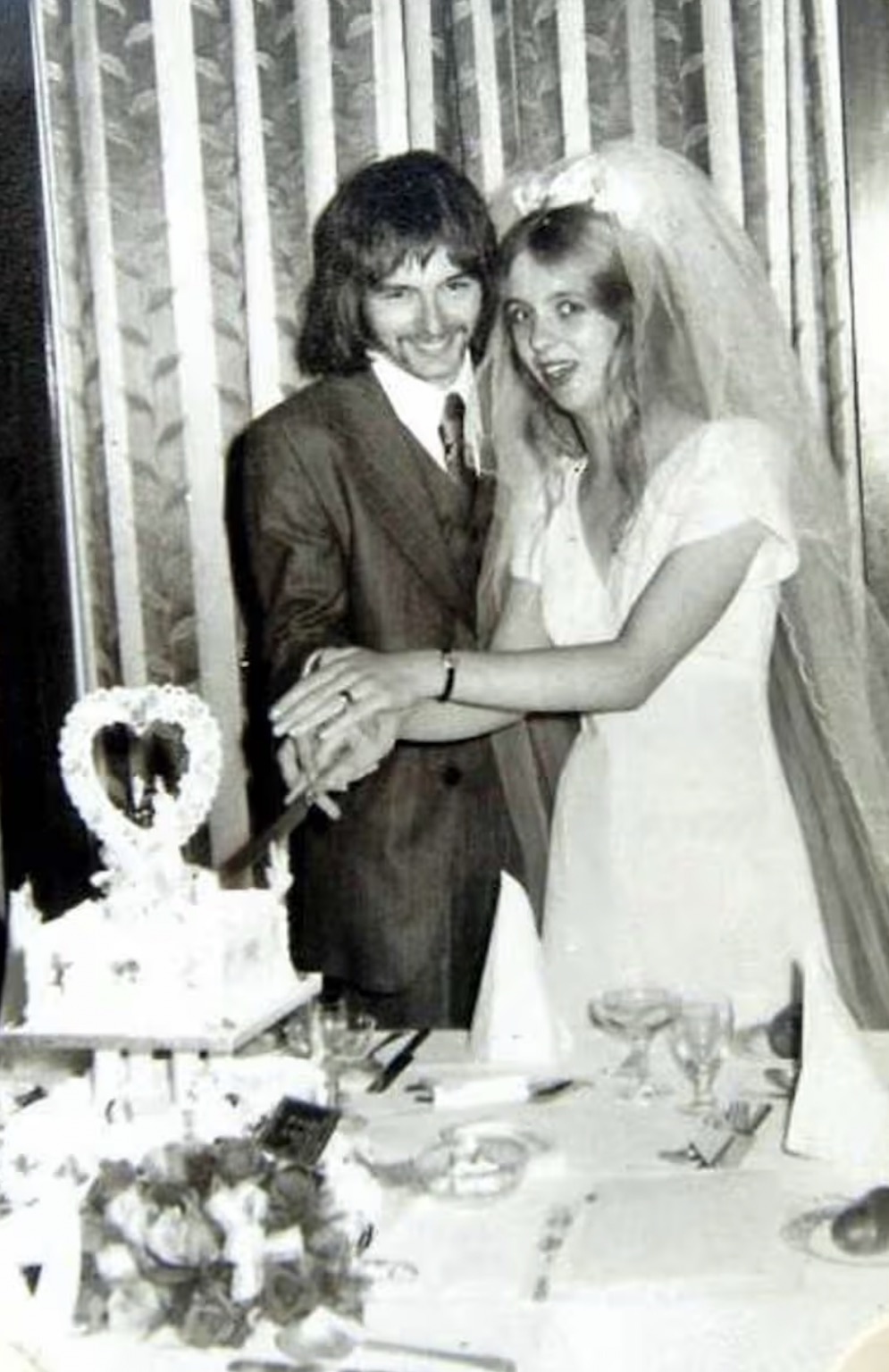
His escape from justice allowed him to offend again. Just three weeks before Stefan Kiszko’s murder trial began in July 1976, Castree abducted a 9-year-old girl who lived near Lesley’s home in Rochdale. He kidnapped her, took her to an abandoned house, and sexually assaulted her. The girl managed to escape, and Castree was arrested and charged with gross indecency and indecent assault. He pleaded guilty, though astonishingly, he was not imprisoned. He was fined just £25, roughly £700 today.
Two years later, in July 1978, he assaulted a young boy and was again charged with indecent assault. Once more, he received only a £25 fine. Despite two convictions for sexual offences against children in as many years, he avoided prison entirely.
Beverley and Ronald went on to have two more children, Nick and Daniel. Nick would later speak publicly about the violence and fear that defined their childhood. Ronald regularly beat Beverley, leaving her bruised and terrified. He punished her for things he believed she did wrong, such as not cleaning properly or not cooking to his standards, and on one occasion, broke her nose over these perceived failings. The children were shown no affection by either parent; Beverley was too frightened to protect them.
Ronald was particularly violent towards Jason, the eldest, who bore the brunt of his resentment over Beverley’s affair. Nick also described the emotional abuse he endured, including homophobic slurs that intensified as he grew older when he realised he was gay.
Tragically, the abuse Nick experienced extended beyond his father. Nick later revealed that during his teenage years he had been sexually abused by his grandfather, Eric Castree, who, like his son, also had a conviction for indecency towards a child. Nick never told anyone at the time, too frightened to speak out. He has since wondered whether Ronald himself had been abused by Eric, and whether that contributed to the man he became.
Throughout their marriage, Ronald was openly unfaithful. He used sex workers, had affairs, and made no attempt to hide it. He derived sexual pleasure from violence and acts of bondage, and pressured Beverley into doing things she found degrading. When she refused his demands, he would tell her and the children that he was going out to find a woman to sleep with, and Beverley never dared to argue.
After two decades of abuse, Beverley finally left him in 1996. While Ronald was working at the comic book shop he now owned, Beverley, Nick, and Daniel packed their belongings into Nick’s car and fled. They moved into a rented house and began rebuilding their lives. The couple divorced the following year.

In 2005, Ronald married another woman and moved into her home in Shaw, Oldham, becoming stepfather to her three children. But the façade did not last. Later that year, in October 2005, Ronald’s DNA was taken following his arrest after an allegation made by a sex worker. His DNA was entered into the national database, and when it was uploaded, it matched the semen recovered from the adhesive tape taken from Lesley Molseed’s clothing in 1975. The match was unequivocal. After thirty years, the identity of Lesley’s killer had finally been revealed. While an innocent man had suffered in prison, Castree had lived freely, reoffended, and raised a family.
The discovery was both a breakthrough and a tragic reminder of the failures of the original investigation. Castree had lived locally at the time of the murder and had been working as a taxi driver, a job that allowed him to move around the area without attracting suspicion. Most damningly, Castree had been arrested for abducting and assaulting a 9-year-old girl in July 1976, less than a year after Lesley’s death. Despite the disturbing similarities between the two crimes, he was never considered a suspect. Police tunnel vision had protected him.
Castree was arrested on 5th November 2006 and charged with Lesley’s murder. He denied everything, saying:
“I have no knowledge. I’ve certainly never met that girl or any member of her family… No knowledge as to how you could come to say something like that, especially after 30 years.”
The next day, Castree was formally charged. At his plea hearing, he pleaded not guilty.
For the Molseed family, the arrest brought a mixture of relief and renewed grief. They had to relive the loss of their daughter all over again. For those who had fought to clear Stefan’s name, the arrest was vindication, but also a painful reminder that Stefan and his mother had died before seeing the real killer brought to justice.
Trial of a Guilty Man
The trial began on 23rd October 2007 at Bradford Crown Court. The public gallery was packed with journalists, members of the public, and representatives of both the Molseed and Kiszko families. Many had waited decades for the truth to be heard.
The defence had little to work with. Their strategy centred on attacking the DNA evidence, suggesting that contamination or mishandling might have occurred over the thirty-two years since the murder. They argued that the age of the samples made them unreliable and attempted to portray Castree as a man with a troubled past, but not a murderer. The arguments were thin. The DNA profile was clear, the chain of custody had been preserved, and the scientific methods used were robust and widely accepted.
The prosecution’s case was detailed and compelling. They laid out Castree’s history of sexual offences, his presence in the area at the time of the murder, and the forensic evidence that linked him directly to Lesley’s killing. The forensic scientist, Dr Gemma Escott, told the jury that the probability of the DNA profile matching an unrelated person was less than one in a billion.
One key witness was Castree’s ex-wife, Beverley. She bravely told the court about the years of violence and abuse she had endured during their marriage. Another key witness was the woman Castree had abducted and assaulted in 1976 when she was 9 years old. Now in her thirties, she gave evidence about what she remembered from that day. Her testimony was a stark reminder of the danger Castree had posed for decades.
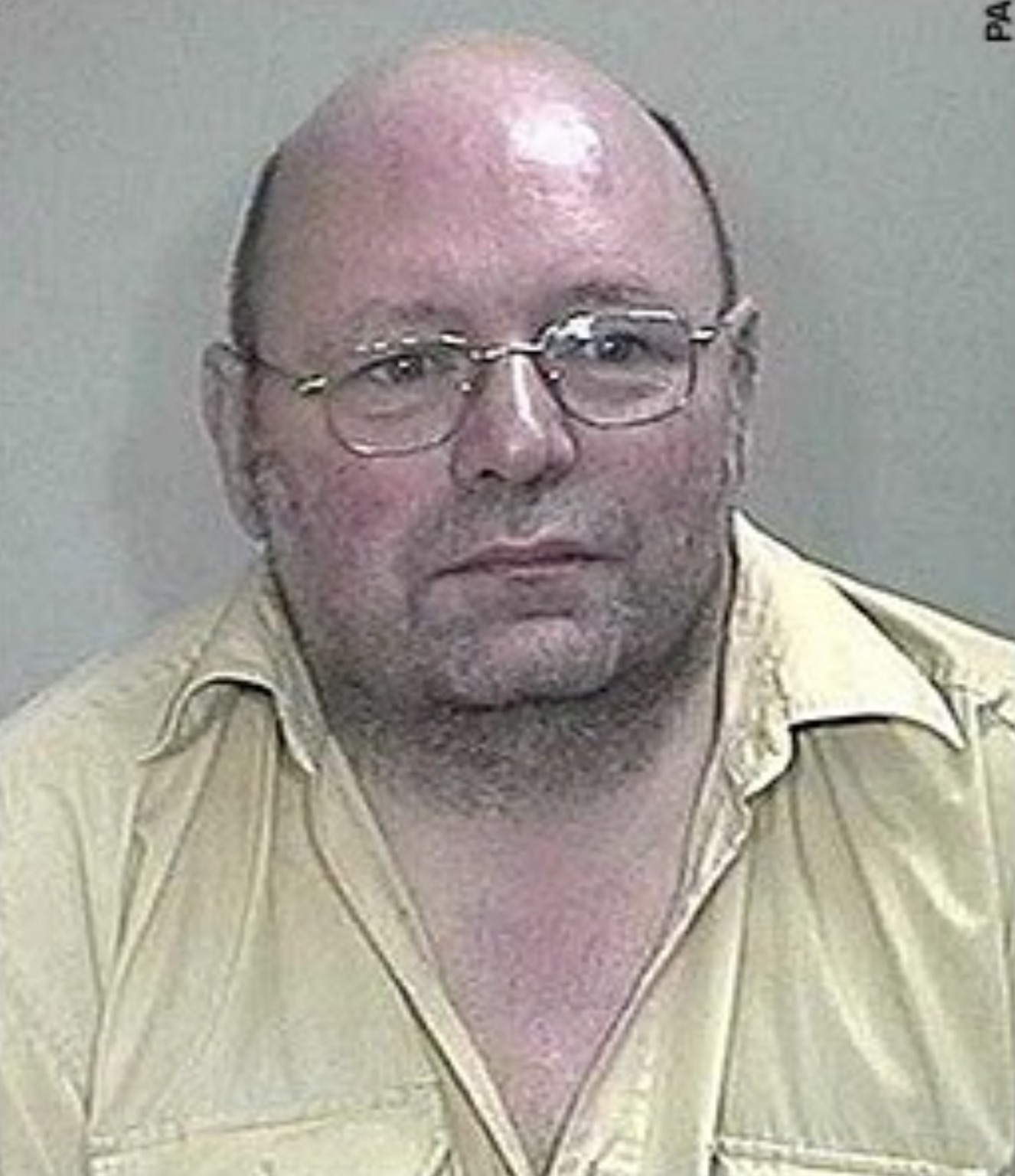
Throughout the trial, Castree remained calm and emotionless. He denied everything, insisting he had been wrongly accused. He showed no outward signs of remorse or empathy, and little reaction to the suffering of Lesley’s family. His coldness stood in sharp contrast to the memory of Stefan Kiszko, whose vulnerability had once been mistaken for guilt. The trial made the difference between the innocent man and the predator painfully clear.
After hearing all the evidence, the jury deliberated for just under twelve hours. On 12th November 2007, they returned a unanimous verdict of guilty. Castree, then aged 54, was sentenced to life imprisonment with a minimum term of thirty years. The judge described the murder as a “wicked and terrible crime” and condemned Castree for allowing an innocent man to suffer in his place.
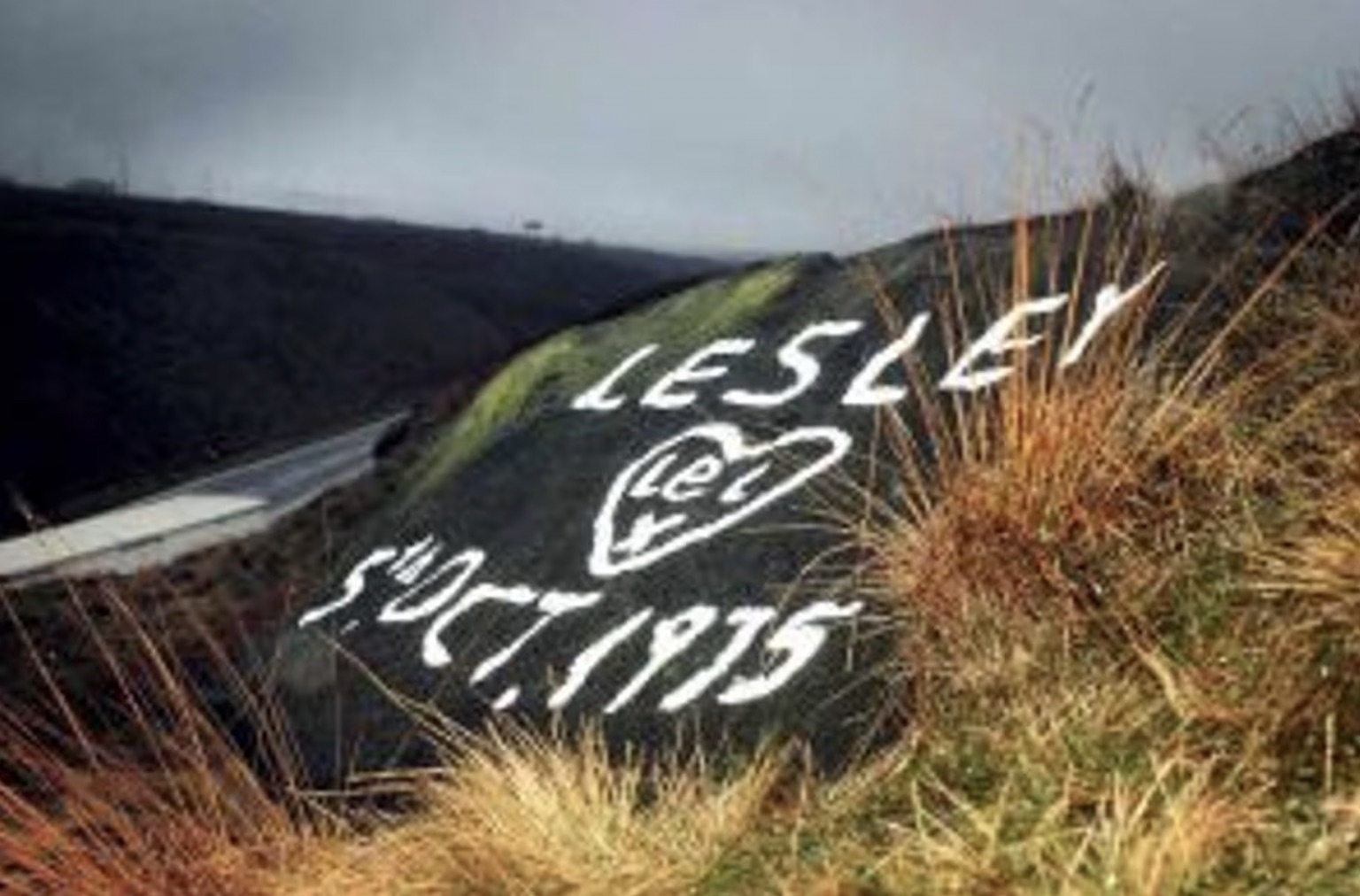
Castree’s conviction brought closure to a case that had haunted the community for more than three decades. It confirmed what many had long believed: that the original investigation had been catastrophically flawed, and that the real killer had been free to offend again while an innocent man suffered behind bars. The trial ensured that the truth about Lesley Molseed’s murder would finally be known, but it could never restore the years Stefan Kiszko had lost or undo the suffering endured by either family. Their stories remain a powerful reminder of why getting it right matters.
Sources and Further Reading
BBC News | Father’s 32-year wait for justice
BBC News | Killer walked free for 30 years
BBC News | Second victim of Molseed inquiry
Guardian | Forensic tape links murder of Lesley Molseed 32 years ago to shopkeeper’s DNA, court told
Independent | Man who wrongly served 16 years in jail dies
Manchester Evening News | Lesley family suffer new tragedy
Manchester Evening News | The monster who murdered a little girl – and the vulnerable innocent man punished for a crime he didn’t commit
Manchester’s Finest | Manchester’s Vilest: The Murder of Lesley Molseed
Stephensons | Ronald Castree Trial – Comment By Solicitor For Stefan Kiszko
Books:
Innocents: How Justice Failed Stefan Kiszko and Lesley Molseed | Jonathan Rose | 1997
Audio and Visual Media:
ITV: Real Crime: The 30 Year Secret (Available on YouTube)
TV Movie: A Life for a Life (Available on YouTube)