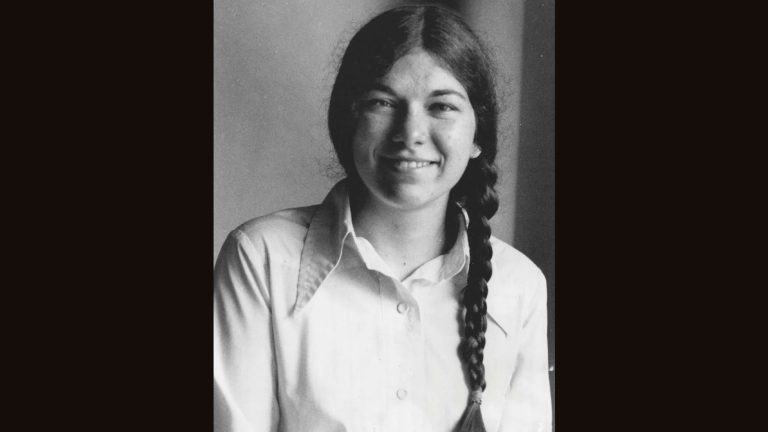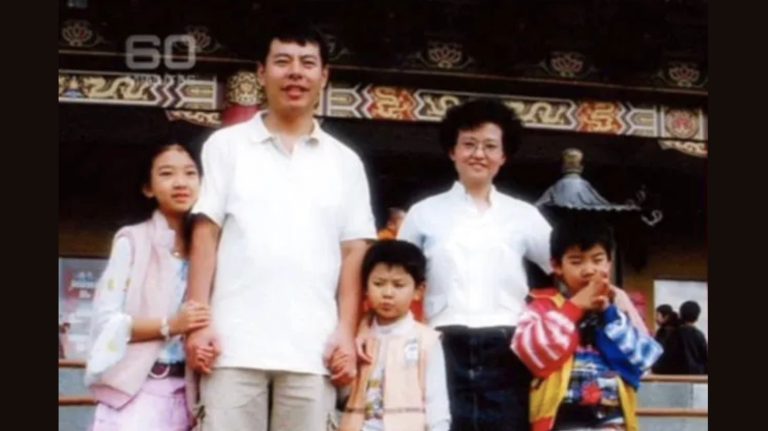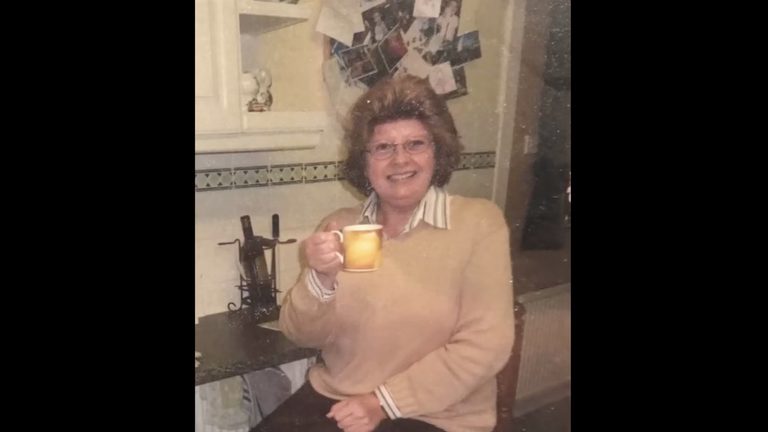
On a bright summer’s day in a quiet English village, 30-year-old Vikki Thompson set out to walk her dog along familiar paths. The honey-coloured stone cottages and open fields around her Cotswolds home were part of an ordinary life in a small community where she felt safe. But that afternoon, Vikki didn’t return home.
Her murder would remain unresolved for years and eventually become part of British legal history. What began with an ordinary walk through the countryside would lead to two murder trials, separated by more than a decade, and become one of the first murder cases brought under a significant change to English law.
A Peaceful Beginning
Vikki Thompson was 30 years old and lived in Ascott-under-Wychwood, Oxfordshire, with her husband, Jonathan, and their two young children. Matthew was 7, and Jenny was 5.
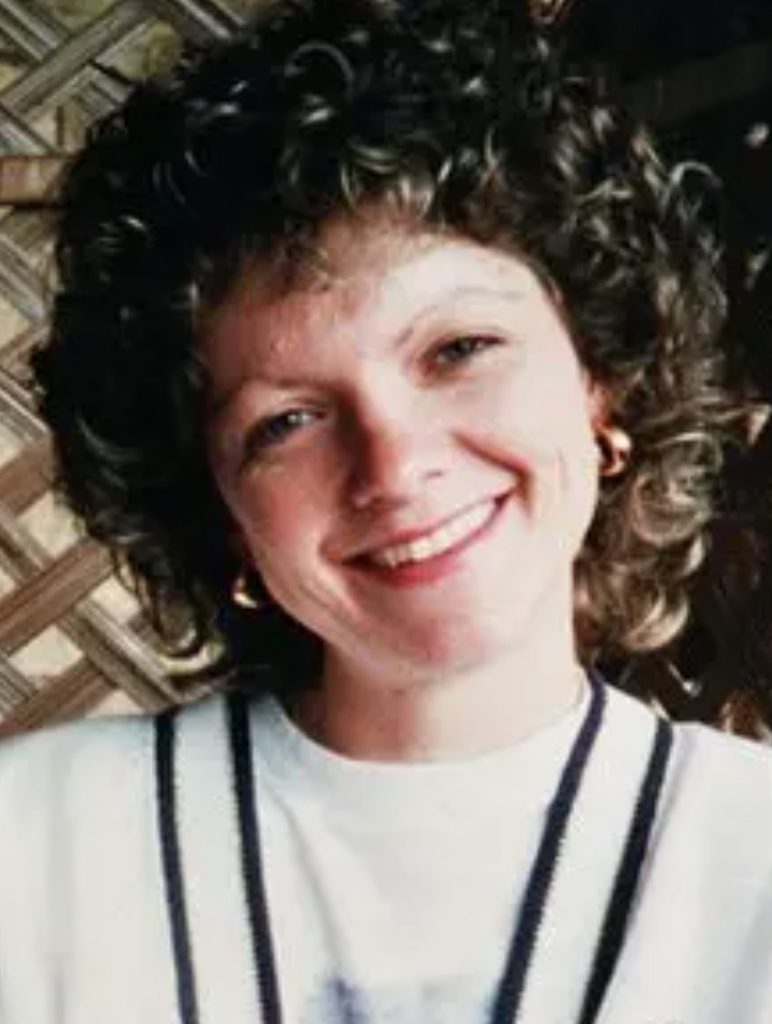
Nestled in the Cotswolds, Ascott-under-Wychwood had a population of fewer than six hundred people. With its winding lanes and stone cottages, it was a close-knit village where neighbours knew one another and many families felt secure.

Vikki was remembered as gentle, warm, and devoted to her family. Much of her life centred around Jonathan and the children, and she enjoyed the ordinary routines of family life, including walking the dog and spending time in the surrounding countryside. She was well-liked within the village and valued the quiet life she and Jonathan had created for their children.
But in the summer of 1995, that quiet family life was about to be broken.
A Fatal Encounter
Saturday, 12th August 1995, began as an ordinary weekend for Vikki and Jonathan Thompson. They spent the afternoon relaxing in their garden and enjoying the summer sunshine. The couple had recently celebrated their ninth wedding anniversary at the local pub where Vikki worked as a waitress, and at around 4 pm, Vikki left their home on Chestnut Drive to take Daisy for a walk.
She followed one of her usual routes along a quiet country lane near the railway embankment, a path she knew well.
Not long afterwards, Daisy returned home alone.
Jonathan initially expected Vikki to follow, but as time passed and she still hadn’t returned, he became concerned. He bundled Matthew and Jenny in the car and drove around the village looking for her. When he returned home without finding her, he spoke to neighbours and friends, who joined the search.
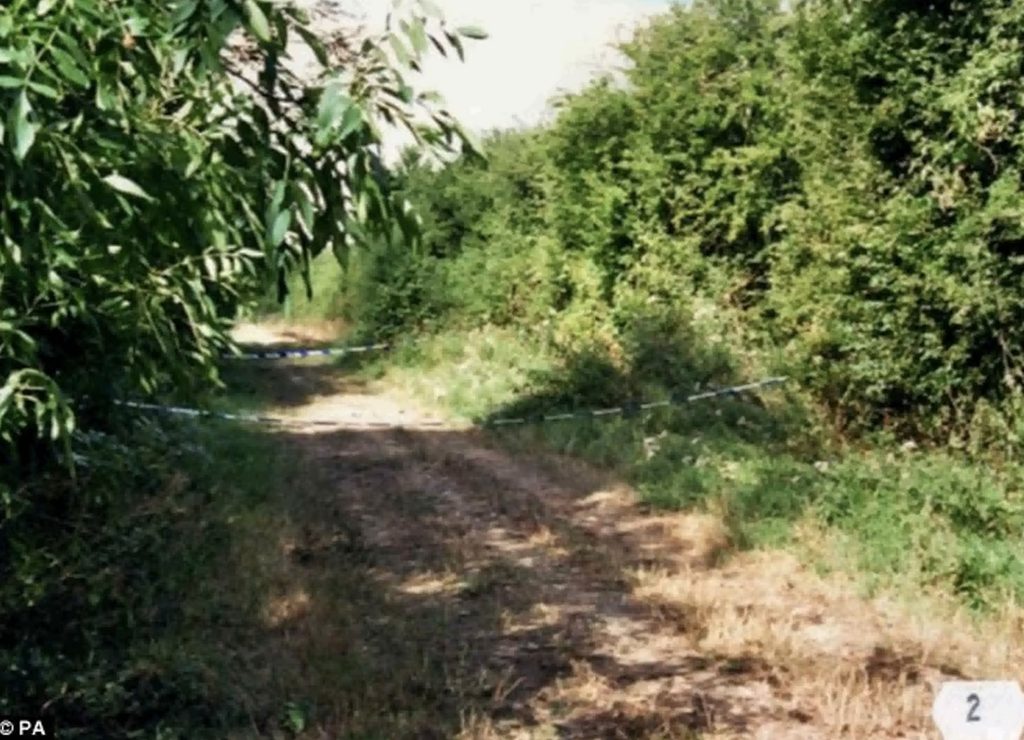
As the group retraced Vikki’s usual route along Shipton Lane, one of them noticed bloodstains on the ground. Nearby, they found pieces of broken jewellery, which were later confirmed as belonging to Vikki.
At around 7 pm, the searchers noticed a gap in the hedge leading into a field bordered by the railway line. After crossing the field, they found Vikki lying on the embankment. She had extensive injuries to her head and face, and bloodstained rocks were lying nearby.
Vikki was still alive, although barely conscious. Jonathan stayed with her while they waited for emergency help, comforting her as she drifted in and out of consciousness. She was able to mumble, but could not explain what had happened or identify the person who had attacked her.
An air ambulance took Vikki to the John Radcliffe Hospital in Oxford, a specialist centre for brain injuries. Doctors found that she had received three heavy blows to the back of her head and two to her face, causing multiple skull fractures and severe brain damage.
Vikki remained in intensive care for six days but never regained consciousness. On 18th August 1995, her brain activity ceased, and her life support was withdrawn. She had died from blunt-force injuries to the head.
Vikki’s murder had an impact far beyond her immediate family. Ascott-under-Wychwood was a small community where people were accustomed to feeling safe, and where walking alone along the surrounding lanes and countryside was part of everyday life. The fact that a woman had been attacked in broad daylight while taking her dog on a familiar walk changed that. With no immediate explanation for what had happened and no attacker identified, residents were also faced with the possibility that the person responsible might be someone living among them.
Investigation
The murder of Vikki Thompson triggered a major police investigation. Detectives from Thames Valley Police searched the railway embankment and surrounding fields for evidence, recovering clumps of bloodstained hair from nearby rocks, along with fragments of jewellery and clothing.
In a hedge near the crime scene, officers also discovered a plastic bag containing two bras. Tests revealed that they were contaminated with semen. The underwear did not belong to Vikki, but its location close to the scene, and what was found on it, meant it would become significant to the investigation.
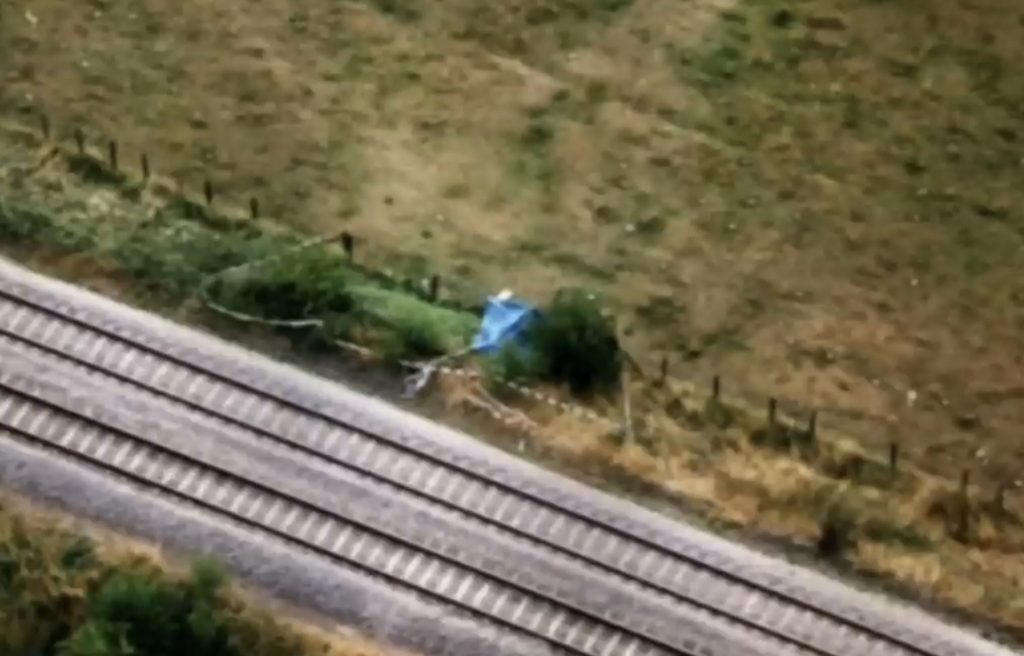
Detectives believed that Vikki had been struck repeatedly on the head with a heavy object before being dragged towards the railway line, possibly in an attempt to make her injuries appear to have been caused by a train. The positioning of her body, together with the bag of women’s underwear and the route taken across the surrounding land, also suggested that her attacker may have been familiar with the area. What had led to the attack, however, remained unclear.
Within days, police appealed to the public for information, and a £10,000 reward was offered for information leading to Vikki’s killer. Posters were distributed, and officers appealed to passengers who had travelled along the Cotswold Line railway that afternoon, hoping someone might have seen or heard something that could help establish what had happened.
Door-to-door enquiries were carried out in Ascott-under-Wychwood and neighbouring villages as detectives attempted to trace Vikki’s final movements. More than 2,500 people were interviewed. Some residents reported hearing a scream around the time of the attack, while others remembered hearing a dog barking that may have been Daisy.
As detectives worked through the information they received, one name repeatedly came up: Mark Weston, a 19-year-old odd-job worker who lived with his parents in the same village as Vikki and her family.
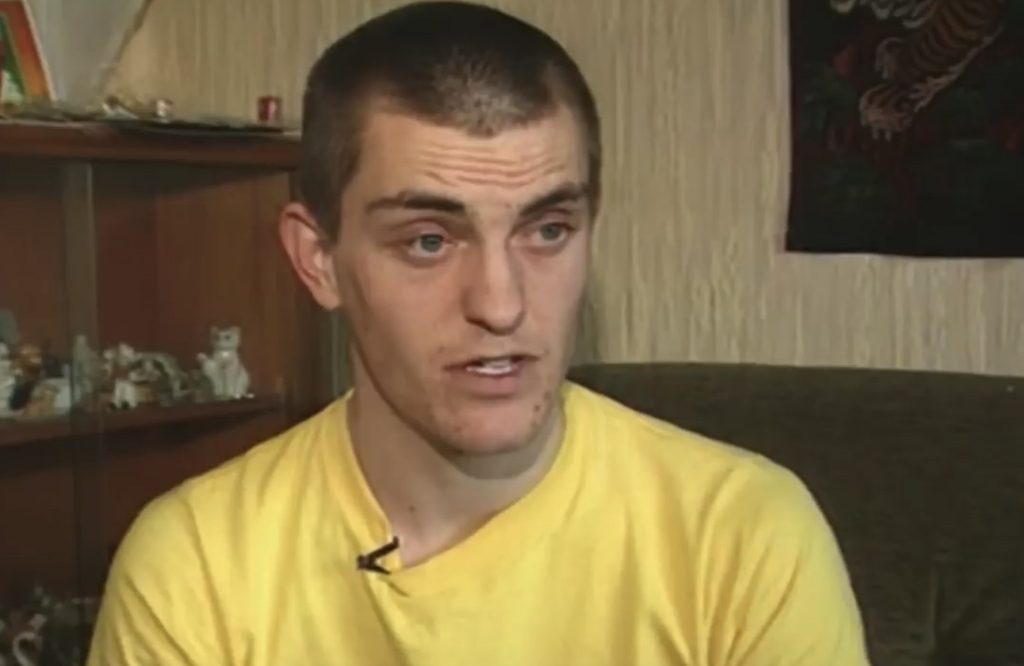
Weston was already known to some residents because of his previous behaviour. He had entered people’s properties without permission, on one occasion appearing in a woman’s kitchen, and on another entering a neighbour’s garden. He had left school at 15 with no qualifications, had been involved in petty crime, and had lost a job after stealing from a colleague. As a result, he was already distrusted by some within the community.
More significantly to the investigation, Weston was known to spend time around Shipton Lane, and several witnesses placed him in the area at around the time Vikki was walking Daisy. The clerk at the village post office also reported seeing him running away from the village around an hour after the attack, appearing alarmed and covered in sweat.
Police first questioned Weston on 22nd August 1995. He initially said that he had been shopping and fishing before spending the afternoon at home. When questioned again three days later, his account changed, and he said he had been at home all day.
By 30th August, his account had changed again. This time, Weston said that he had left his house at 5 pm to visit neighbours, but that they were not at home. Investigators established that the neighbours had in fact been there and had not seen him.
The inconsistencies in Weston’s accounts increased police suspicions, and on 13th September, he was taken to the police station for further questioning. He continued to deny any involvement in Vikki’s murder and maintained that he had been at home during the attack. He also claimed that he was being unfairly targeted by the police because certain people in the village disliked him.
Meanwhile, scenes-of-crime officers searched Weston’s family home. In the garden, they found the charred remains of clothing that he had attempted to burn. Officers also seized other clothing and a pair of boots from inside the house. However, forensic analysis available at the time did not reveal any traces of Vikki’s blood, and Weston was released.
The investigation continued, and DNA testing would later link Weston to the semen found on the bras recovered near the crime scene. A further bag containing women’s underwear was discovered along a waterway behind his street. The items had been stolen from washing lines around the village and hidden.
None of the underwear belonged to Vikki, but the discoveries established a pattern of Weston stealing women’s underwear and hiding it. Investigators believed this behaviour could be relevant to what had happened to Vikki and might help explain why she was attacked.
Their theory was that Vikki had encountered Weston while he was engaged in a sexual act. They believed that, after being seen, he attacked her to prevent her from telling other people what she had witnessed.
On 21st September 1995, Crimewatch UK broadcast an appeal about Vikki’s murder. During the programme, it was revealed that a witness had reported seeing a naked man in the area around the time of the attack and later seeing the man running across a nearby field. He was described as white, pale-skinned, tall, and aged between 20 and 30.
By then, police had already interviewed Weston several times and regarded him as a suspect, but the broadcast was presented as a wider public appeal intended to gather further information without naming him.
With witness accounts placing Weston near the scene, along with the underwear bearing his DNA recovered in the area, police believed they had sufficient evidence to proceed. On 1st February 1996, Mark Weston was formally charged with the murder of Vikki Thompson.
His trial began at Oxford Crown Court on 12th November 1996. Although police suspicion had focused heavily on Weston, the prosecution’s case was largely circumstantial. The evidence connected him to the area and established his behaviour involving stolen women’s underwear, but it did not provide forensic evidence directly connecting Vikki to him.
The prosecution case was weakened further when the judge ruled that key evidence, including the bag of women’s underwear bearing Weston’s DNA, could not be presented to the jury because its admission was considered potentially prejudicial to a fair trial. In other words, there was a risk that the jury might judge Weston on his sexual behaviour, rather than deciding solely on the evidence of whether he had murdered Vikki.
Without that evidence, the jury was left to consider a substantially more limited case. On 3rd December 1996, after less than an hour of deliberation, Mark Weston was found not guilty of Vikki Thompson’s murder.
For Vikki’s family and those who had known her, the acquittal meant that her murder remained unresolved. It was also deeply frustrating for the officers who had investigated the case. One of the investigators later recalled that they believed Weston was responsible, but after his acquittal, there was nothing more they could do.
At the time, there was no legal route to try Weston for Vikki’s murder again. Whatever evidence might emerge in the future, the case had reached a dead end.
The Long Wait for Justice
Following his acquittal, Weston returned to his life in Ascott-under-Wychwood. For more than a decade, Vikki’s murder remained officially unsolved, although the case was never closed, and Weston continued to live in the same small community where many residents remained convinced that he was responsible.
His continued presence made it difficult for the events surrounding Vikki’s death simply to recede into the past. He was living among people who had known Vikki, had taken part in the search for her, and had followed the investigation and trial. The attack had also changed the way some residents felt about a community they had once regarded as safe, particularly when walking alone at night or along the paths surrounding the village.
Legally, Weston had been found not guilty. Within Ascott-under-Wychwood, however, the questions surrounding Vikki’s murder had never gone away.
Weston, meanwhile, continued to deny any involvement in her murder. After his acquittal, he appeared in a televised interview at his home with ITV News, saying:
“I’ve done nothing wrong, but they still kept saying it was me, knowing it wasn’t. But now, they’ve come to realise they had the wrong person.”
The foreman of the jury that had acquitted Weston also wrote to him afterwards, encouraging him to seek compensation from the police:
I hope you are all getting on well now and hope you go ahead and get big compensation from the police as they had no evidence of any sort whatsoever. (Source)
Weston obtained legal aid to pursue a claim, although it ultimately came to nothing.
In the years following his acquittal, he also began targeting some of the people who had been involved in the original investigation.
In 1997, Weston harassed the village police officer who had helped investigate Vikki’s murder. According to one of his neighbours, Weston decapitated a chicken and left it outside the officer’s front door. He also made repeated silent and obscene telephone calls to the officer, his wife, and their daughters, both during the day and at night.
Police installed video surveillance around the village telephone box and recorded Weston making the calls. On 18th December 1997, he was convicted of harassment and given a two-year conditional discharge, along with a restraining order.
But the behaviour continued. Weston later displayed posters describing one of the villagers who had provided evidence as a “grass”. He also shone lights through a neighbour’s windows and posted threatening notes through the door.
On 28th January 1999, Weston was convicted of harassment again and sentenced to 100 hours of community service.
In the years that followed, his behaviour also affected people outside the village. At the age of 26, Weston was working as a barman at a nearby pub when he began a relationship with Helen Rusher, who was 15 at the time and worked there as a waitress.
Helen later described how Weston had initially appeared charming but became possessive, controlling, and aggressive. The couple had a daughter together, but as the relationship continued, Helen said Weston repeatedly abused her, and his drinking became increasingly problematic.
On one occasion, when Helen wanted to use their remaining money to buy nappies rather than vodka, Weston became violent and attempted to strangle her. She also recalled that he sometimes made comments about his past that frightened her.
Eventually, Helen left Weston and took their daughter with her.
Afterwards, Weston sent her threatening text messages. One read:
I killed her and I would do the same to you. (Source)
Helen showed the message to the police, but there wasn’t anything they could do. However significant it appeared in light of Vikki’s unresolved murder, Weston had already been acquitted of killing her, and at that time, he could not be prosecuted for the same offence again.
For years, that remained the position. Weston continued to deny killing Vikki, while her murder remained unresolved.
Then, the law changed.
In 2003, Parliament passed legislation that made significant changes to the principle of double jeopardy in England and Wales. For centuries, the rule had meant that once someone had been acquitted of a crime, they could not be tried for the same offence again. Under the new law, however, an acquittal for certain serious offences, including murder, could be overturned if new and compelling evidence emerged.
The change came into force in 2005, ten years after Vikki’s murder. That same year, Thames Valley Police’s cold case review team reopened the investigation.
Detectives returned to evidence that had been retained from the original inquiry, hoping that advances in forensic science might reveal something that had not been detectable in 1995. In the decade since Vikki’s death, forensic techniques had developed considerably, allowing scientists to examine evidence with far greater sensitivity.
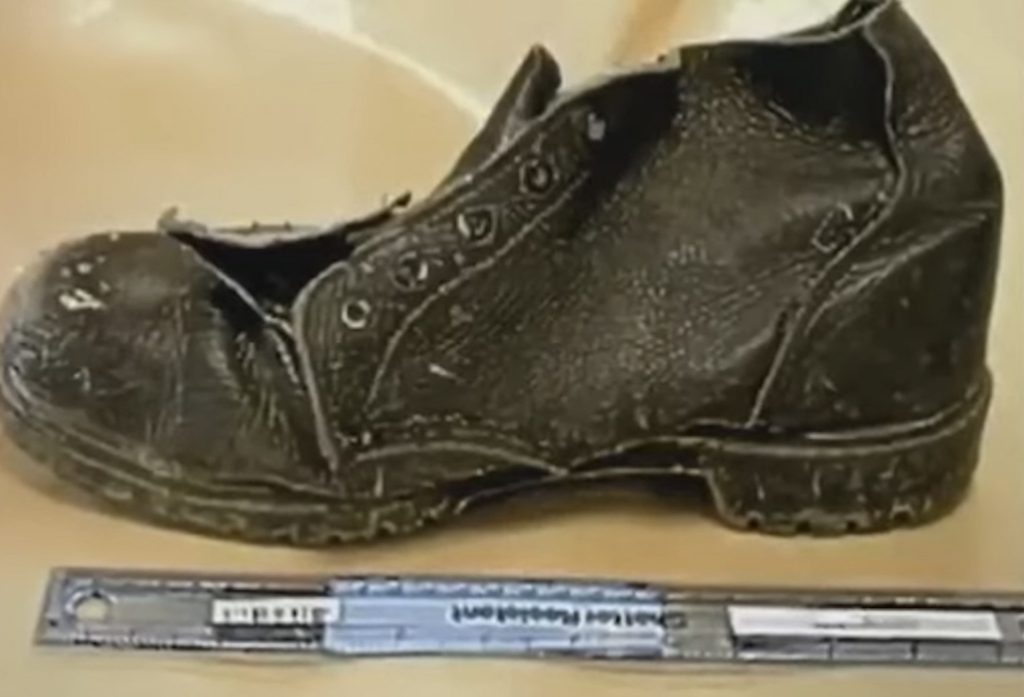
Among the items examined again were the boots police had seized from Mark Weston’s home during the original investigation.
When the boots had first been tested in 1995, no traces of Vikki’s blood had been detected. This time, using halogen lamps and microscopes that had not been available to the original investigators, forensic scientists discovered tiny areas of blood staining.
DNA testing established that the blood belonged to Vikki.
The finding significantly changed the evidence against Weston. During his first trial, there had been no forensic evidence directly connecting Vikki to him. Now, traces of her blood had been identified on a pair of boots seized from his home shortly after the attack.
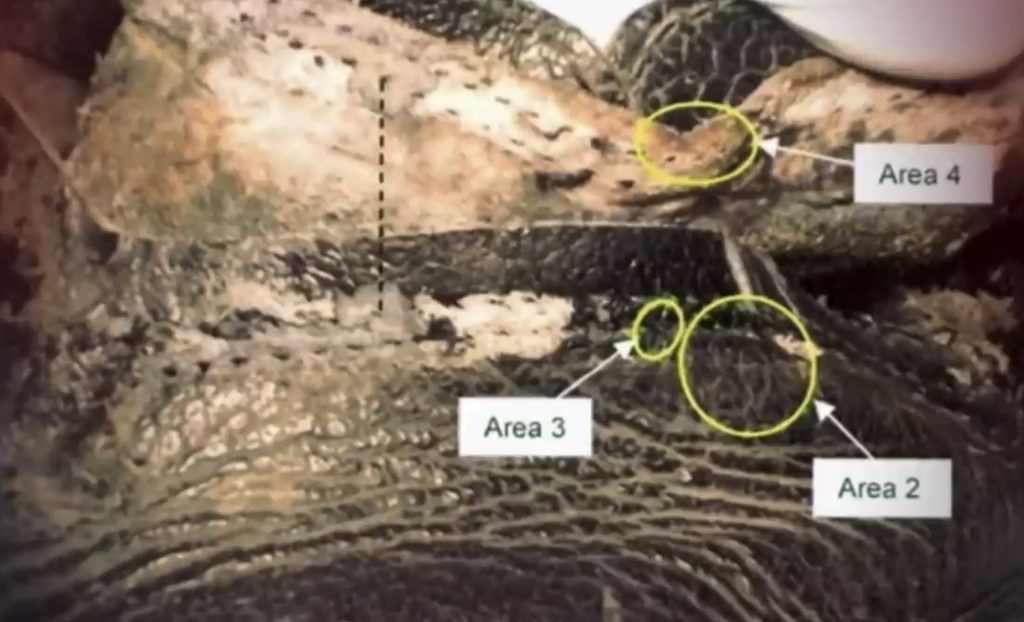
Over the next four years, detectives rebuilt the case and presented the new evidence to the Crown Prosecution Service. On 8th July 2010, the CPS authorised proceedings for a retrial, and the Court of Appeal subsequently quashed Weston’s original acquittal, allowing him to be tried for Vikki’s murder again.
On 29th November 2010, Mark Weston appeared at Reading Crown Court for his second trial.
The case was one of the first murder cases to make use of the changes to the double-jeopardy law, and was particularly significant because the retrial resulted from new forensic evidence rather than a confession.
This time, the jury was able to consider evidence that had not been available to the jury in 1996. They heard about the microscopic traces of Vikki’s blood discovered on Weston’s boots, as well as the underwear evidence that had been excluded from his first trial.
The jury also heard evidence about Weston’s later relationship with Helen Rusher, including the threats he had made after she left him and his apparent admission that he had killed Vikki.
On 13th December 2010, almost fifteen years after his first trial, Mark Weston was found guilty of murdering Vikki Thompson.
Mr Justice David Bean told him:
“It has taken fifteen years for justice to catch up with you, but it has done so at last today.” (Source)
Weston was sentenced to life imprisonment, with a minimum term of thirteen years.
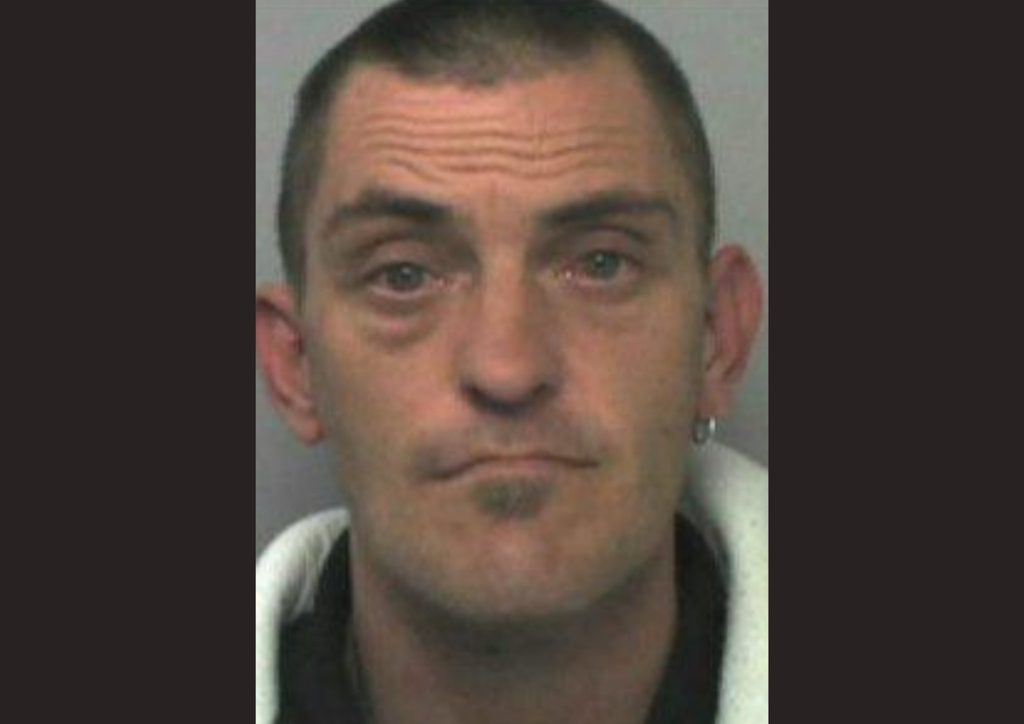
Weston’s case became significant in British legal history as one of the first murder retrials under the new double-jeopardy provisions, and the first based on new forensic evidence rather than a confession.
But beyond its legal significance, for Vikki’s family, the conviction meant that the man responsible for her murder had finally been held accountable. Jonathan reflected on the years Vikki had lost with their children:
“Vikki was the perfect wife and mother and should have been able to see Matthew and Jenny turn into the fine young adults they are today. At least now they know that truth and justice have finally been seen.” (Source)
Sources and Further Reading
BBC | ‘Double jeopardy’ man guilty of Vikki Thompson murder
Guardian | ‘Loner’ convicted of murder in double jeopardy retrial
Independent | Second-trial killer gets life
Mirror | Murderer Mark Weston confessed killing by text message
Oxfordshire Live | THOMPSON MURDER: Timeline
Oxfordshire Live | Vikki Thompson: The brutal 1995 Oxfordshire murder that was finally solved 15 years on
Oxford Mail | THOMPSON MURDER: Vikki’s family’s relief
Audio and Visual Media:
Cold Case Killers | S2 E4
Crimewatch | September 1995
Killer in My Village | Sky Crime. S6 E6
Murdertown | S3 E7