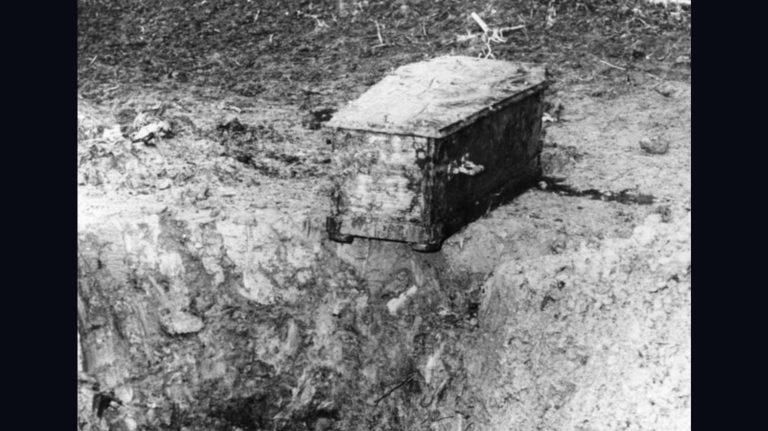
In 2009, a television news crew was reporting from the entrance to a forest near where a murdered student’s remains had recently been discovered. As viewers watched the live broadcast, they heard the disembodied voice of a woman in the background, and many became convinced they had just heard the ghost of the murdered student.
Around the same time, police received multiple reports of a white Toyota Corolla being driven erratically along the expressway, repeatedly reversing and crashing into the guardrails as though under a supernatural influence.
It would take seven years for these two seemingly separate events to be connected in a way no one had anticipated.
Miyako Hiraoka
Miyako Hiraoka was a 19‑year‑old first‑year student at Shimane Prefectural University. She had recently moved from her hometown of Sakaide City in Kagawa to Hamada, a coastal city known for its beaches and surrounding mountain ranges.
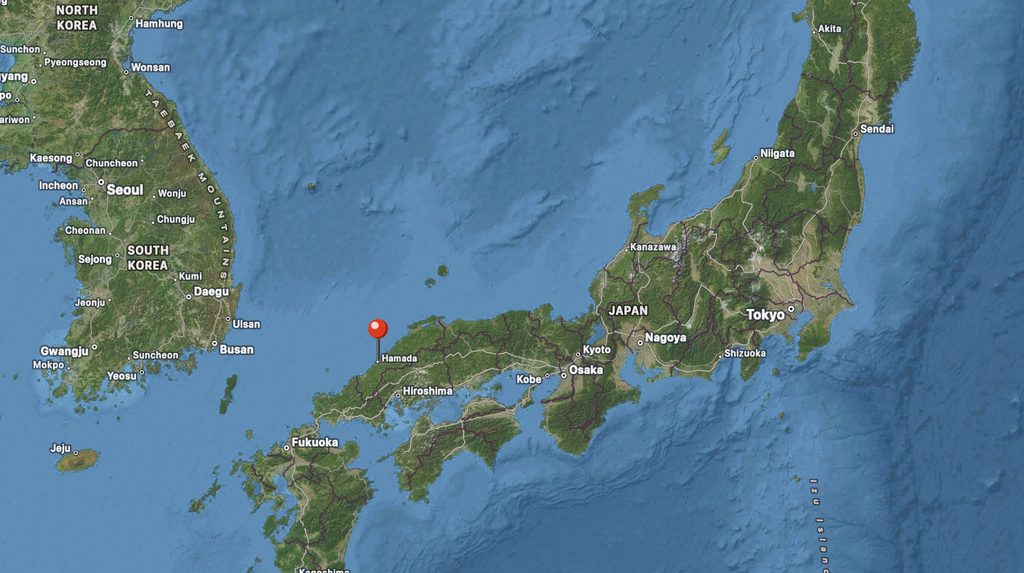
She was described as kind, compassionate, and actively involved in fundraising efforts supporting developing countries. Miyako was a strong student with plans to build a career using her English language skills. She was preparing for an upcoming exchange program in Russia, though managing both her studies and the cost of the trip was difficult. To save money, she worked part‑time at an ice cream parlour in a shopping mall about a mile and a half from her home.

On 26th October 2009, Miyako completed her usual evening shift. Staff reported nothing out of the ordinary. She bagged the trash, turned off the lights, locked up, and left. CCTV captured her walking through the mall toward the exit at 9:16 pm.
Although she could have taken a bus home, Miyako often walked the 30‑minute route to save money. She usually made the journey with a co‑worker who lived nearby, but that colleague had recently resigned. Miyako had also secured a new job closer to home that she was due to start soon, but until then she continued the walk alone.
She never made it home.
When Miyako failed to appear for her shift the following afternoon, her manager was initially annoyed at being let down, but concern grew when he could not reach her. He contacted Miyako’s mother, who immediately became alarmed. Miyako had promised to call her after arriving home the previous night, but the call never came. Miyako’s mother contacted the police to report her daughter missing.
The Shimane Prefectural Police immediately launched an investigation. Hamada was considered a safe city, and news of Miyako’s disappearance unsettled residents, particularly at night, as speculation grew about whether someone dangerous was in the area.
The authorities were determined to find Miyako as quickly as possible. However, despite their extensive efforts, the investigation stalled. There was no relevant surveillance footage, no significant eyewitness accounts, and no clear leads. Miyako appeared to have vanished without a trace.
On 6th November 2009, eleven days after Miyako’s disappearance, a mushroom hunter made a grisly discovery in the woods near the summit of Mt. Garyu in Kitahiroshima-Cho, about fifteen miles from the ice cream parlour. As he cleared away some fallen leaves, he was horrified to find a female severed head. Her face had been badly beaten, and there was a shoe print on her cheek. The man immediately fled down the mountain and called the police. DNA testing confirmed that the head belonged to Miyako.
Over the following days, the police deployed hundreds of officers to search the forested mountain region. They located multiple fragments of Miyako’s remains scattered across the area. Her left femur was found the day after her head; investigators determined the flesh had been removed artificially rather than by animals. On the 8th, they found her torso. Her breasts had been gouged out, exposing her ribs, and her genitals had been mutilated to the point her gender could not be identified. On the 9th, they located her left ankle. Additional remains were later found, including a thigh bone, toenails, and a shoe. Many of the body parts had been placed in plastic bags and appeared to have been thrown from a vehicle.
Examination showed Miyako had suffered repeated blows to the head while still alive, and marks on her neck indicated strangulation. The perpetrator attempted to destroy evidence by burning the remains before scattering them in multiple locations around the mountain.

The police struggled to identify a motive. Miyako had no known enemies, and nothing in her life suggested anyone would want to hurt her. A joint task force between the police departments of Shimane and Hiroshima Prefectures was formed. Witnesses reported seeing a suspicious white sedan speeding along the route between the mall and Miyako’s home, and another witness recalled a white car in the mall’s employee parking lot around the time she disappeared. Police reviewed highway camera footage and automatic license plate reader data (N system), but found nothing useful.
A reward of up to 3,000,000 yen (approximately 20,000 USD) was offered. Thousands of flyers were distributed around the local station, mall, and Miyako’s workplace, showing her photograph and a map of key locations.
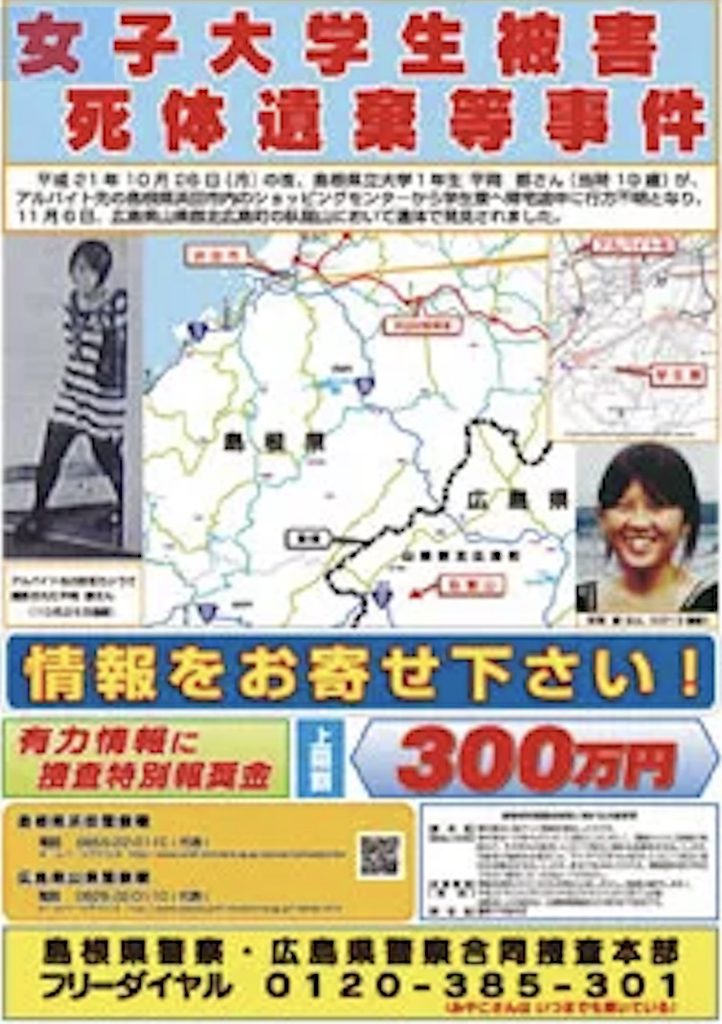
Investigators pursued every possible lead, even checking rental records for horror films at local video stores. Psychologists profiled the suspect as likely a man aged 20–40 who did not know Miyako and acted opportunistically. Despite these efforts, the case grew cold.
The Broadcast That Haunted the Case
Media coverage kept Miyako’s case in the public eye, turning her story into a major national news event. Journalists from across Japan flocked to Hamada City and reported from locations connected to her life and disappearance.
However, it was one broadcast that became particularly notable. A television crew filmed a live segment on a dark path near the forested area where her torso had been found. During the broadcast, a woman’s disembodied voice was captured saying:
“This is very painful. Why only me?”
The reporter and cameraman stated that no women were present and that the team on site was entirely male.
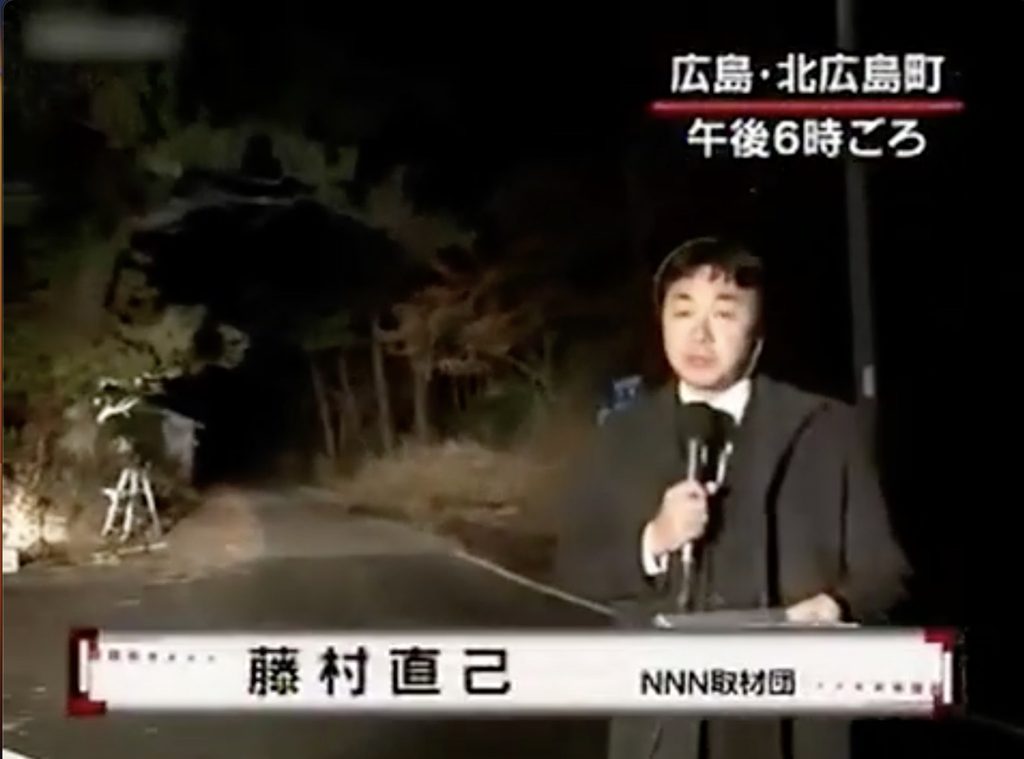
This live recording drew widespread attention. Many viewers interpreted the voice as Miyako’s ghost, and the broadcast became associated with theories of supernatural involvement. While these interpretations were widely discussed, the recording did not provide investigative value, and the case remained unsolved.
Then, in 2016, a specialised cold case team re‑examined the investigation, focusing on individuals with prior sexual offence records. Among them was Yoshiharu Yano, who had been 33 at the time of Miyako’s murder and had a history of sex-related crimes. Seven years after Miyako’s disappearance, investigators finally had a potential lead.
Yoshiharu Yano
Yoshiharu Yano was born in April 1976 in Kanda‑Cho, Shimonoseki City, Yamaguchi Prefecture. His father, who ran a rice business, died in 2008, a year before Miyako’s murder. His mother worked as a domestic helper, and he had one younger brother.
During junior high school, Yano was regarded as a quiet, serious student who found it difficult to communicate with girls. Even so, he was active in extracurricular activities, serving as head of the track and field club in his final year and earning a black belt in judo. He continued to perform well academically in high school.
However, his circumstances shifted after he dropped out of university to focus on his band and pursue romantic relationships. He worked a series of part‑time jobs before eventually leaving the band and relocating to Tokyo. On social media, he later wrote that he had developed focal dystonia in his left hand, a condition causing involuntary muscle movements. It affected his ability to play music and contributed to a period of depression.
After moving to Tokyo, Yano committed three sexually motivated crimes in Suginami Ward and Kitakyushu City, threatening three women with a knife and sexually assaulting them. In August 2004, at age 28, he was arrested and sentenced to three years and six months in prison.

Following his release, Yano returned to his family home in Shimonoseki City. He spent the next year and a half working part‑time before securing a job at a housing equipment company selling solar panels. In May 2009, he was transferred to the Masuda City sales office, where he lived — placing him near the area where Miyako was killed. Investigators later determined that his car matched the white vehicle seen on security footage near the forested mountain where her remains were found.
As the cold case review progressed, evidence pointing toward Yano began to accumulate. His employer reported that on the day Miyako’s remains were discovered, Yano had taken a sudden two‑day leave, saying he needed to visit his family. Friends later told police that he had boasted about doing “a big thing,” a remark that, in hindsight, appeared to reference Miyako’s murder.
Detectives also made enquiries in Yano’s hometown about a particular plastic bag used by NTT to deliver phone books. The colour, text, and design of these bags varied by year and region. Their interest stemmed from a blood‑stained fragment of an NTT phone book bag found attached to Miyako’s torso. Investigators confirmed that bags with that specific design had been distributed in Shimonoseki City, where Yano’s family lived. It was a significant development.
The most decisive breakthrough came when police searched Yano’s home and recovered a digital camera containing images documenting Miyako’s final moments. Although Yano had attempted to delete the photographs, investigators were able to restore them, retrieving 57 images, including photographs taken in the bathtub where Miyako was dismembered. Additional images showed the kitchen knife used in the process.
Based on the evidence, authorities concluded that Yano had abducted Miyako, sexually assaulted her at his home, and strangled her. He then dismembered her in the bathroom using a kitchen knife before driving to the mountain under cover of darkness to burn and scatter her remains.
On 20th December 2016, police referred the case against Yano to prosecutors on suspicion of murder, mutilation, and disposal of a body. However, in a cruel twist of fate, the police could not arrest him.
Yoshiharu Yano was already dead.
The Crash That Closed the Case
Back in 2009, two days after Miyako’s head had been recovered, a separate incident had unfolded. On 8th November, Yoshiharu and his mother were driving along the Chugoku Expressway after visiting his father’s grave in Hagi City. At around 3:07 pm, witnesses saw a small white car emitting white smoke after colliding with a guardrail. They described the vehicle moving erratically, repeatedly striking the guardrail, reversing, and crashing again, as if the vehicle itself was possessed. Both occupants appeared terrified and were heard screaming as the car caught fire.
When highway patrol arrived, the vehicle was engulfed in flames. Yano’s body remained in the driver’s seat, and his mother’s body was found nearby. Both had died at the scene. There were no signs of braking or skidding, and weather conditions played no role in the crash.
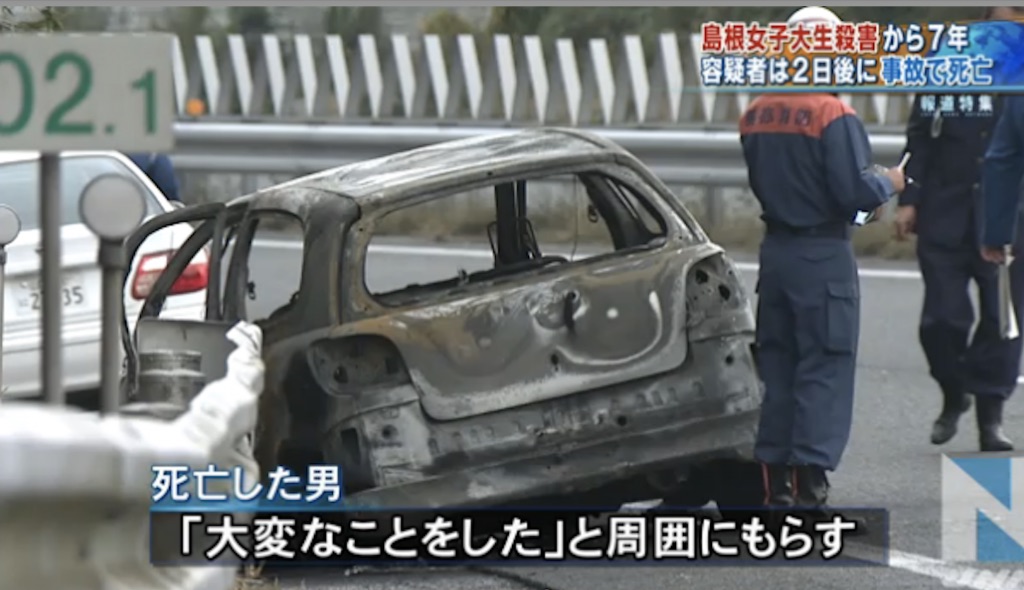
Investigators initially considered the possibility of a double suicide or murder‑suicide. The visit to the grave suggested a potential farewell, and Yano would have known that Miyako’s remains had been found and that the investigation was advancing — circumstances that could have prompted a desperate act. Another theory proposed that his mother may have known, or suspected, what he had done. If so, Yano may have intentionally taken her with him. Alternatively, he may have intended only to kill her and stage an accident, not anticipating that the fire would consume them both. But witness accounts describing the pair as frightened complicate the idea of a planned suicide. Panic does not rule out intention, but it does introduce uncertainty.
A final interpretation, discussed more widely after the live broadcast capturing the unexplained voice, is a supernatural one. Some believe that Miyako herself intervened, and that her ghost influenced the vehicle and brought Yano to a violent end. This theory is not part of the official investigation, but it persists among those who view the crash and the broadcast together as connected events.
At the time, the crash received limited attention, overshadowed by coverage of Miyako’s case, and no one realised the two incidents were linked. Only years later, when Yano was identified as the suspect, did the full picture emerge. By then, he was long deceased, leaving investigators with no one to prosecute.
For many, justice was never served. But for others, the belief that Miyako exacted her own revenge provides a sense of closure that the legal system never could.
Sources and Further Reading
Chugoku Online | Information To Solve the Case: Shimane and Hiroshima Prefectural Police Distribute Leaflets
Hiroshima Incident Accident Report
KK News | Japan Female College Student Was Mutilated, And the Police Found the Real Murderer 7 Years Later, But at This Time He Was Already…..
Namuwiki | Shimane Female College Student Body Dumping Case
Newsee | The Culprit of The Murder Case of Shimane Female College Student Miyako Hiraoka Is Tomie Yano!
Sankei Shimbun | Digital Camera Erased Image, Restored by The Investigation Headquarters
Wikipedia | Shimane Female College Student Corpse Abandonment Case
Yomiuri Online | Murder Of a Female College Student, A Man Who Died in An Accident Is Not Prosecuted … Matsue District Public Prosecutor’s Office
News Report: Available on YouTube